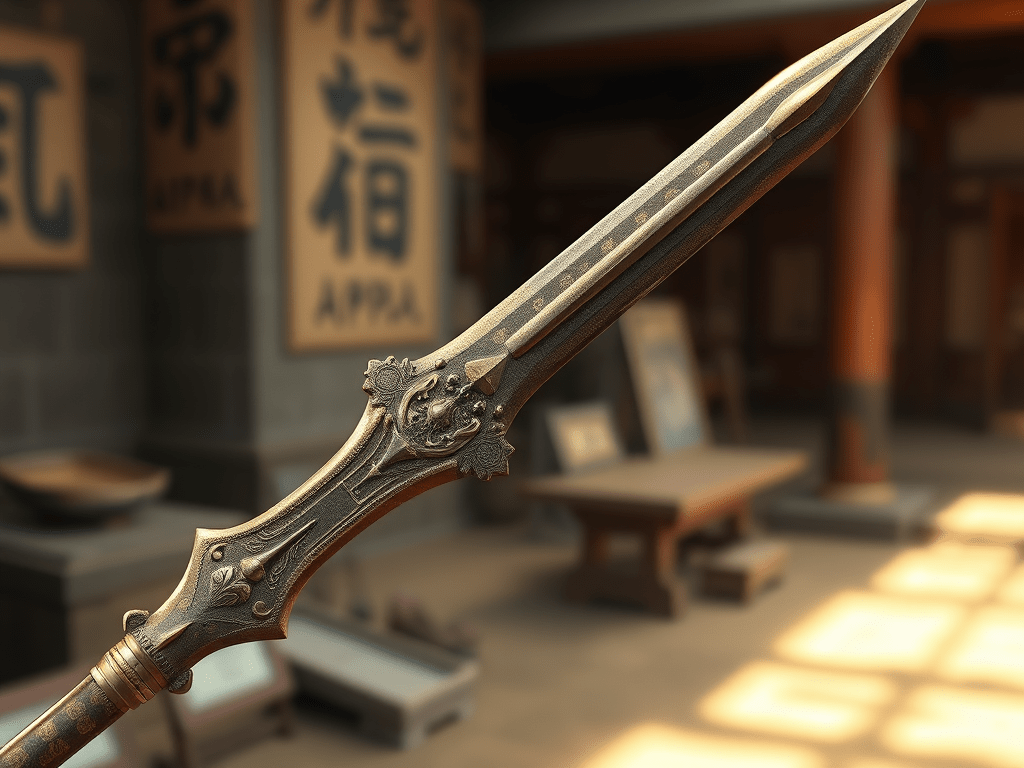
Bronze Spear: Discovering the Power and Cultural Impact of Japan’s Ancient Weaponry
Introduction to the Bronze Spear
Bronze Spear (銅矛) is a striking example of ancient Japanese weaponry. As one of the early metal weapons used in combat, it played a crucial role in battles and ceremonial practices. Its design not only emphasizes functionality in warfare but also reflects the artistic craftsmanship of its era.
Historical Background
The Bronze Spear emerged during a time when Japan was transitioning from stone to metal technology. Its introduction marked significant advancements in metallurgy and warfare strategies. Used by early warriors, the spear was both a tool for battle and a symbol of power and prestige within the community.
Craftsmanship and Characteristics
The creation of a Bronze Spear required exceptional skill. Key aspects of its craftsmanship include:
- Metalworking Techniques: Advanced casting and alloying methods were used to form a durable and balanced spearhead.
- Design Aesthetics: The spear often featured intricate designs that conveyed both strength and elegance, highlighting the artisan’s expertise.
- Practical Utility: Engineered for both thrusting and throwing, the spear was an effective weapon in the hands of a skilled warrior.
Cultural and Military Significance
Beyond its functional role in combat, the Bronze Spear held considerable cultural importance. It was frequently used in rituals and ceremonies, symbolizing authority and the warrior spirit. The spear’s presence in archaeological sites provides invaluable insights into the social structure and martial traditions of ancient Japan.
The Legacy of the Bronze Spear
Today, the legacy of the Bronze Spear endures through archaeological research and museum exhibits. These ancient weapons continue to inspire modern interpretations of Japanese martial arts and cultural heritage. The spear remains a powerful reminder of Japan’s innovative spirit and historical prowess in warfare.
 japanews
コメントを残す