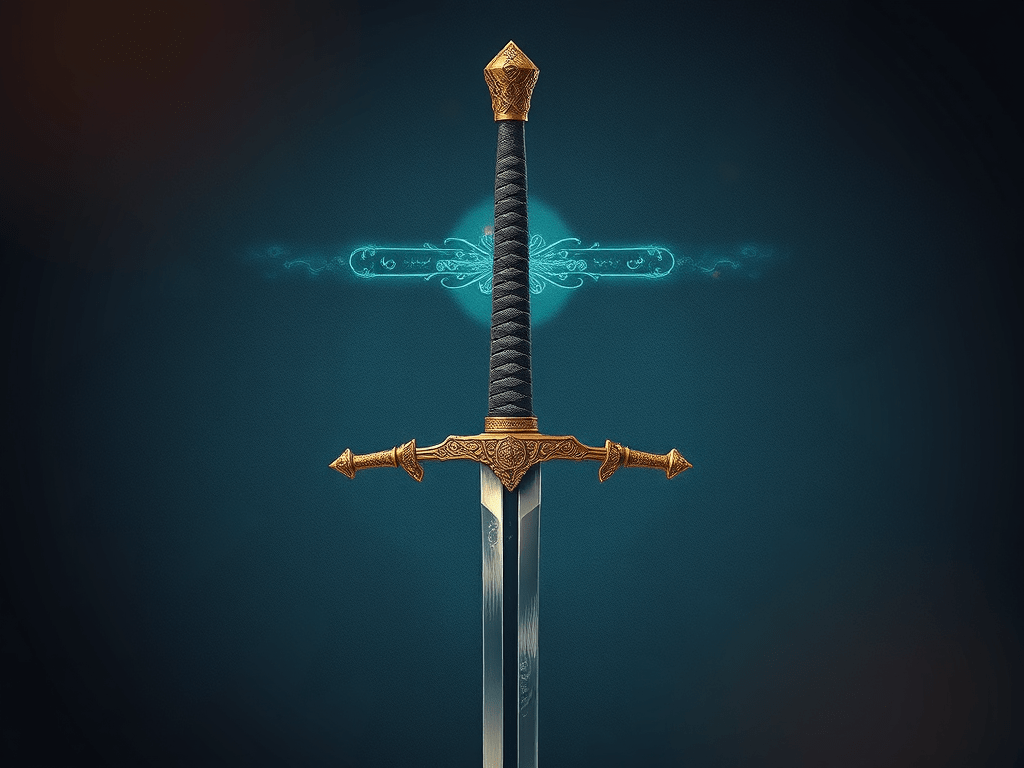
Bronze Sword: Unveiling the Power and Heritage of Japan’s Ancient Weaponry
Introduction to Bronze Swords
Bronze Swords (銅剣) played a crucial role in Japan’s early military history. Crafted during a time when metal technology was evolving, these swords not only served as effective weapons but also symbolized power, prestige, and the artistry of their makers.
Historical Background
The advent of bronze metallurgy marked a significant turning point in ancient Japan. Bronze Swords emerged as part of the broader shift from stone tools to metal weaponry. They were widely used in battle and ceremonial contexts, reflecting the socio-political and technological advancements of their time.
Craftsmanship and Characteristics
Bronze Swords are renowned for their unique blend of functionality and artistic expression. Notable features include:
- Material Innovation: Made from bronze, these swords showcased early advancements in metalworking techniques.
- Design Elements: The swords often featured elegant lines and decorative motifs, emphasizing both beauty and balance.
- Durability in Battle: Although not as resilient as later iron weapons, bronze swords were effective in close combat and ceremonial displays.
Cultural and Military Significance
In ancient Japan, Bronze Swords were much more than mere tools of war. They were symbols of authority and valor, often bestowed upon elite warriors. Their presence in rituals and burials underscores their cultural importance, bridging the realms of warfare, spirituality, and art.
The Legacy of Bronze Swords
Today, Bronze Swords continue to fascinate historians and collectors alike. Exhibitions and archaeological studies shed light on their design, usage, and the technological strides made by early Japanese civilizations. The enduring allure of these ancient weapons reflects the rich tapestry of Japan’s cultural and martial history.
 japanews
コメントを残す