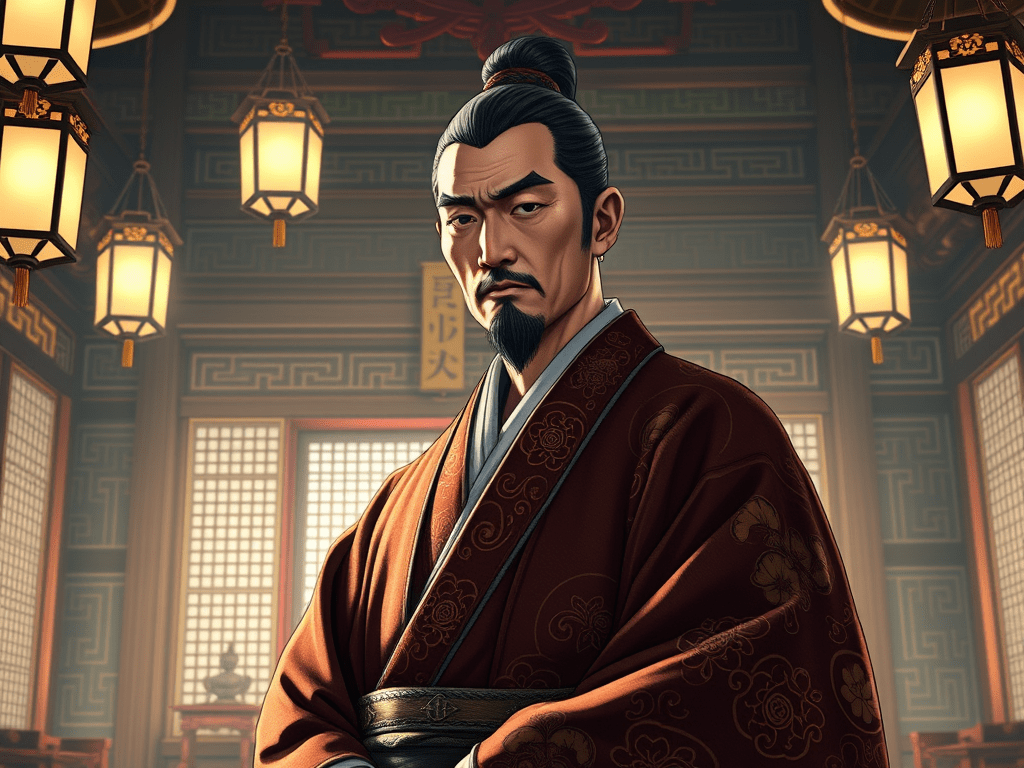
Dōkyō: The Controversial Monk Who Swayed Imperial Politics
Introduction to Dōkyō
Dōkyō (道鏡) was a Buddhist monk whose rise to prominence during the reign of Empress Kōken remains one of the most controversial episodes in Japanese history. His deep involvement in court politics and religious affairs stirred both admiration and fierce opposition, ultimately influencing the course of imperial governance.
Historical Background
Dōkyō’s ascent occurred during the Nara period, a time when Buddhism was rapidly taking root in Japan. His close relationship with Empress Kōken enabled him to gain unprecedented influence within the imperial court. However, his involvement in political decisions and his ambition to wield power sparked considerable controversy and unease among the traditional elite.
Controversial Influence on the Court
Despite his religious credentials, Dōkyō’s deep engagement in state affairs led to intense debates about the proper role of monks in politics. His critics argued that his actions undermined the established order, while his supporters saw him as a reformer bringing new perspectives to governance. The controversy surrounding his influence eventually contributed to a significant shift in the court’s approach to the intersection of religion and politics.
Legacy and Impact
Though Dōkyō’s direct political influence was short-lived, the repercussions of his actions had a lasting impact on Japanese society. His controversial tenure prompted a reexamination of the separation between religious authority and state power, influencing subsequent reforms and setting precedents for future governance. Today, Dōkyō remains a compelling figure, emblematic of the challenges that arise when spiritual authority intersects with political ambition.
 japanews
コメントを残す