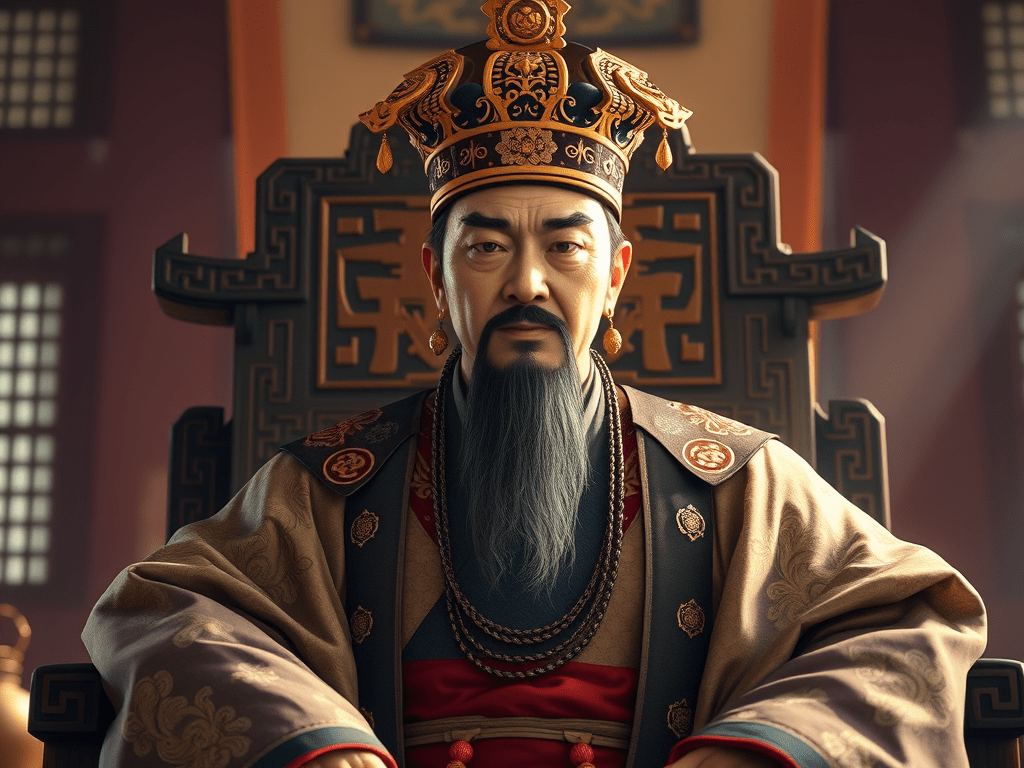
Emperor Tenmu: The Visionary Ruler Who Forged Japan’s Imperial Destiny
Introduction to Emperor Tenmu
Emperor Tenmu (天武天皇) was a decisive and visionary leader during one of the most transformative periods in Japanese history. His reign marked a pivotal shift toward a more centralized government, laying the groundwork for Japan’s enduring imperial system.
Historical Background
Ascending the throne in the aftermath of political upheaval, Emperor Tenmu inherited a nation in need of strong, unifying leadership. His consolidation of power and commitment to reform were essential in transitioning Japan from a period of regional rivalries to a cohesive state. His rule is closely associated with the evolution of administrative practices and the establishment of the imperial tradition.
Key Reforms and Achievements
Emperor Tenmu’s reign was marked by several significant accomplishments:
- Centralization of Power: He restructured the government, reducing the influence of rival factions and establishing a more unified administration.
- Military and Diplomatic Initiatives: His efforts in modernizing the military and engaging in strategic diplomacy helped secure Japan’s borders and enhance its international standing.
- Institutional Reforms: Emperor Tenmu laid the foundation for future legal and bureaucratic systems, influencing subsequent reforms that further solidified the imperial government.
Legacy and Impact
The legacy of Emperor Tenmu is reflected in the enduring structures of Japan’s political and cultural institutions. His forward-thinking reforms not only stabilized the nation during turbulent times but also set a precedent for the centralization and modernization of governance. Today, his contributions continue to be celebrated as key milestones in the evolution of Japan’s imperial identity.
 japanews
コメントを残す