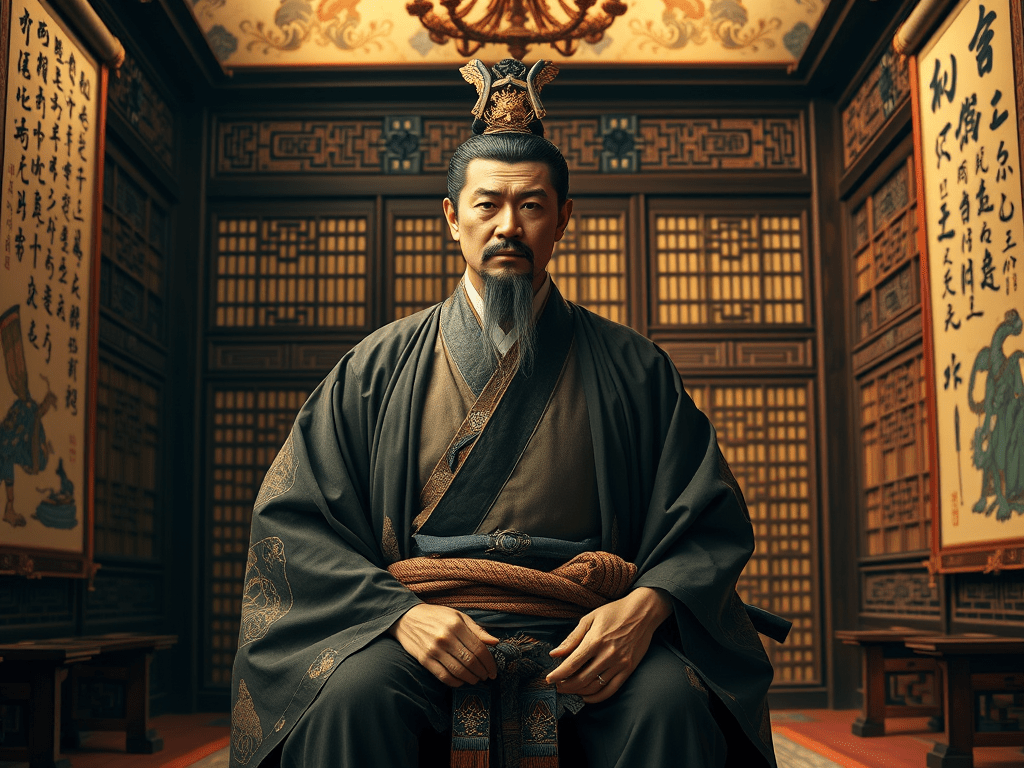
Fujiwara no Kaneie: The Strategic Architect of Heian Japan’s Imperial Court
Introduction to Fujiwara no Kaneie
Fujiwara no Kaneie (藤原兼家) was a key political figure during the Heian period whose leadership and strategic reforms played a central role in consolidating imperial power. As a prominent member of the influential Fujiwara clan, Kaneie helped establish the regency system that would dominate Japanese court politics for generations.
Historical Background
Living in a period characterized by intricate court rivalries and evolving governmental structures, Fujiwara no Kaneie emerged as a masterful statesman. His career was marked by his ability to navigate the complex dynamics of the imperial court, forging alliances through marriage and diplomacy. Kaneie’s tenure contributed to the transformation of Japan’s political landscape, where the Fujiwara clan gradually became the power behind the throne.
Key Contributions and Achievements
Kaneie’s legacy is defined by several notable achievements:
- Centralization of Power: Through shrewd political maneuvering, he reinforced the role of the regent, ensuring that the Fujiwara clan maintained significant influence over state affairs.
- Administrative Reforms: His initiatives streamlined the bureaucratic processes of the imperial court, laying the groundwork for a more centralized and efficient governance system.
- Diplomatic Excellence: By orchestrating strategic marriages and alliances, Kaneie solidified the Fujiwara dynasty’s long-lasting control over the imperial lineage, setting a precedent for future court politics.
Legacy and Enduring Impact
The political innovations and leadership of Fujiwara no Kaneie left an indelible mark on the history of Japan. His efforts not only advanced the power of the Fujiwara clan but also influenced the structure of imperial governance during the Heian period and beyond. Today, Kaneie is remembered as a visionary architect of statecraft whose reforms continue to be studied as a cornerstone of Japan’s political evolution.
 japanews
コメントを残す