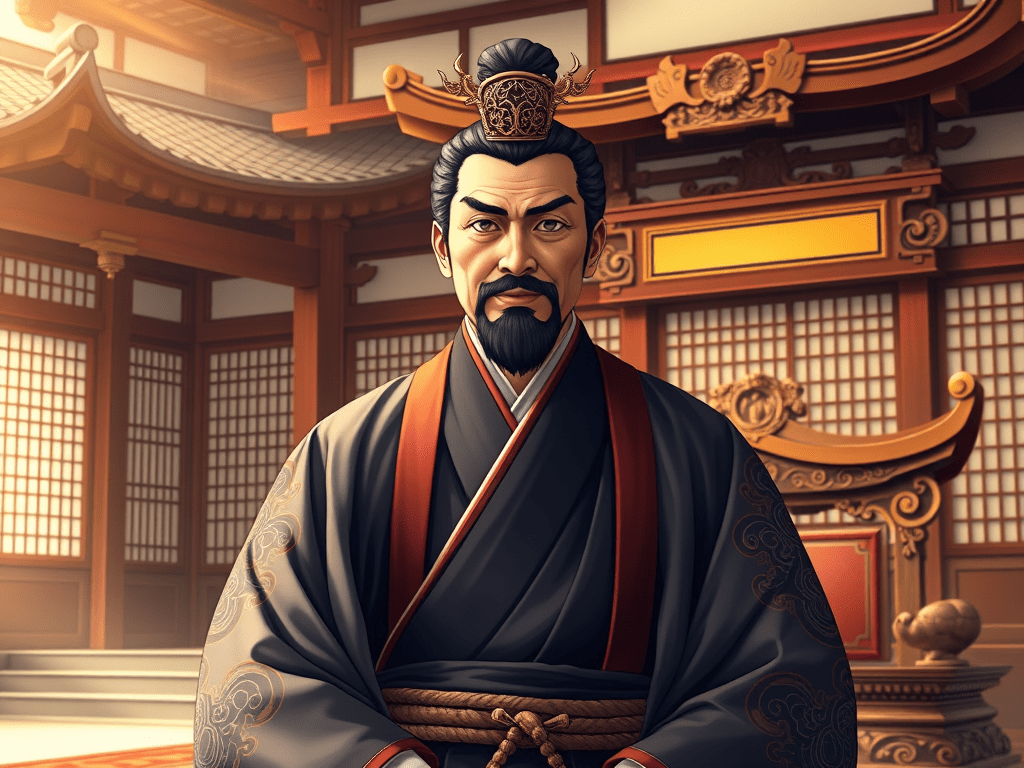
Fujiwara no Nakamaro: The Visionary Statesman of Japan’s Nara Era
Introduction to Fujiwara no Nakamaro
Fujiwara no Nakamaro (藤原仲麻呂) was a prominent political figure during Japan’s Nara period. As a key member of the influential Fujiwara clan, he played a critical role in shaping the imperial court through his diplomatic finesse and reformative policies.
Historical Background
Active during a transformative era, Fujiwara no Nakamaro was instrumental in integrating continental administrative practices into Japanese governance. His career unfolded amidst the backdrop of intense political reform and state centralization, marking him as one of the leading architects of early imperial administration.
Key Contributions and Achievements
Nakamaro’s career is remembered for several notable achievements:
- Diplomatic Expertise: He skillfully navigated complex court politics and forged strategic alliances that reinforced the central authority of the emperor.
- Administrative Reforms: His efforts contributed to streamlining the bureaucratic structure, which laid the groundwork for the centralized governance that characterized the Nara period.
- Cultural Impact: By promoting policies that encouraged cultural and technological exchange, Nakamaro helped infuse the Japanese state with new ideas that would influence its evolution for centuries.
Legacy and Enduring Influence
Fujiwara no Nakamaro’s impact on Japanese history is profound. His reforms and diplomatic achievements not only strengthened the imperial court during his lifetime but also set precedents for future generations. Today, his legacy is celebrated as part of the rich heritage of the Fujiwara clan and the enduring evolution of Japan’s statecraft.
 japanews
コメントを残す