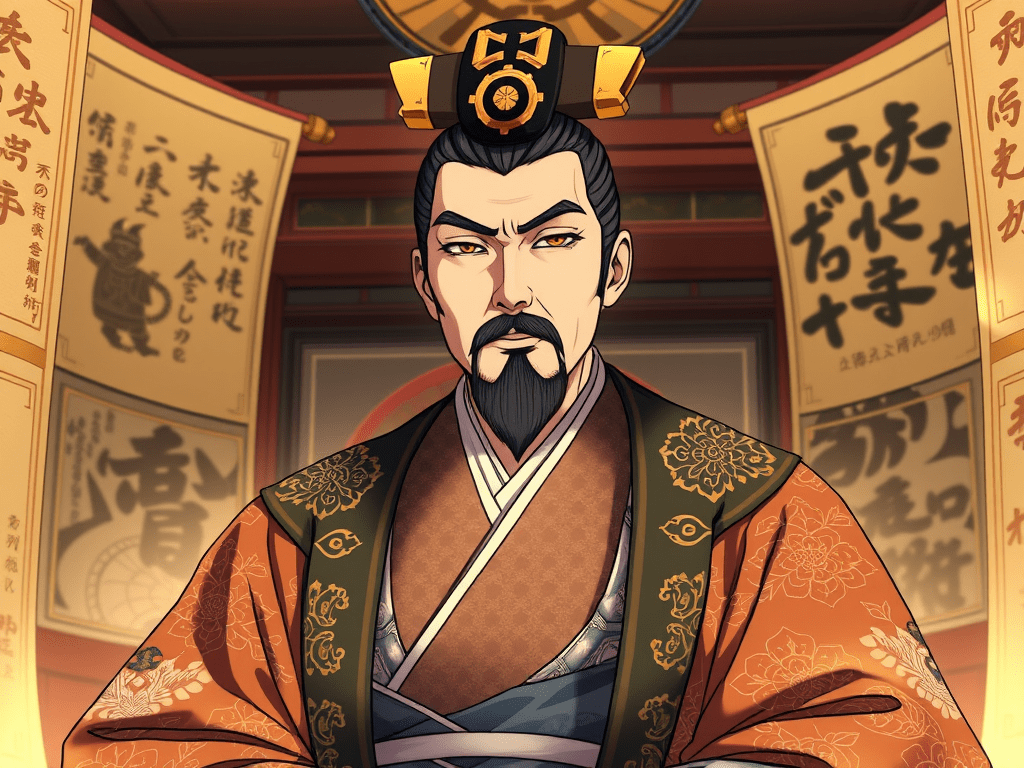
Fujiwara no Takechi Maro: The Resolute Visionary of Early Imperial Japan
Introduction to Fujiwara no Takechi Maro
Fujiwara no Takechi Maro (藤原武智麻呂) was a prominent figure in Japan’s early political landscape. As a member of the influential Fujiwara clan, he played a key role in shaping the policies and administrative frameworks that would define the imperial court during a formative period of Japanese history.
Historical Background
Emerging during a time when Japan was transitioning toward a more centralized state, Fujiwara no Takechi Maro contributed to the evolution of governance in the Nara and early Heian periods. His career was marked by his ability to navigate the complex dynamics of court politics, where alliances and reform initiatives were vital for state consolidation.
Political Achievements and Reforms
Takechi Maro is celebrated for several key accomplishments:
- Strategic Governance: He was instrumental in advising the imperial court on matters of state administration and policy reform, helping to lay the groundwork for a more efficient bureaucratic system.
- Diplomatic Engagement: His efforts in forging alliances and managing internal court rivalries contributed to the stability and cohesion of the early Japanese state.
- Cultural Patronage: By supporting arts and scholarship, he helped promote a cultural renaissance that enriched the imperial court and influenced later generations.
Legacy and Impact
The legacy of Fujiwara no Takechi Maro endures through his contributions to the centralization of power and the institutional reforms of his time. His vision and administrative reforms not only enhanced the effectiveness of the imperial court but also set enduring precedents that influenced the trajectory of Japanese politics and culture for centuries.
 japanews
コメントを残す