Haniwa: Uncovering the Art and Cultural Significance of Japan’s Ancient Clay Figures
Introduction to Haniwa
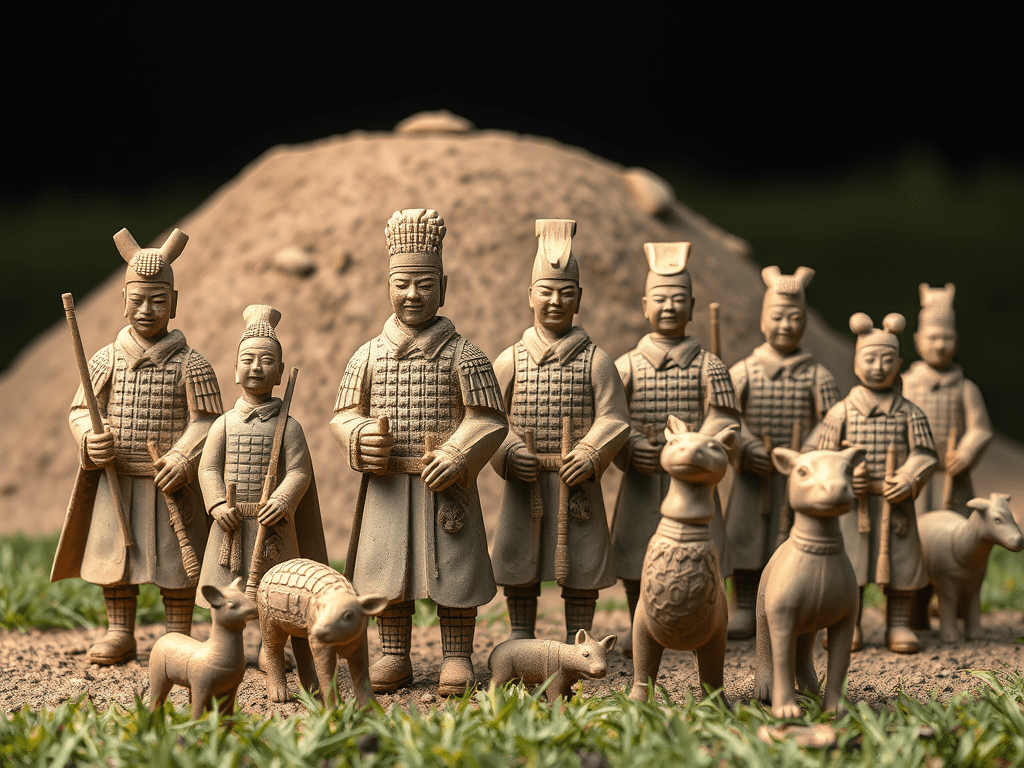
Haniwa (埴輪) are terracotta clay figures that played a significant role in Japan’s ancient funerary practices. Dating back to the Kofun period, these figures were placed around burial mounds and are believed to have served both a ritualistic and decorative purpose.
Historical Background
The production of Haniwa began during the early Kofun period (circa 3rd to 7th century CE) when powerful clans constructed large burial mounds for their elite. These clay figures were used as a part of the funerary assemblage, intended to protect the deceased in the afterlife and to symbolize the status and identity of the buried individual.
Artistic Characteristics
Haniwa figures are renowned for their simplicity and expressive forms. Notable features include:
- Diverse Forms: They range from simple cylindrical shapes to detailed representations of warriors, animals, and everyday objects.
- Handcrafted Artistry: Each figure was individually molded by skilled artisans, reflecting both the aesthetic and spiritual values of the time.
- Symbolic Function: Beyond decoration, these figures played a role in ritualistic practices, believed to ward off evil and guide the spirit of the deceased.
Cultural Significance
Haniwa provide valuable insights into the social and religious practices of ancient Japan. Their presence at burial sites not only highlights the importance of funerary customs but also underscores the advanced artistic capabilities of early Japanese society. Today, they continue to captivate historians, archaeologists, and art enthusiasts alike, serving as cultural symbols that bridge the past with the present.
Legacy and Modern Appreciation
Modern exhibitions and academic studies showcase Haniwa as essential artifacts of Japan’s cultural heritage. These clay figures inspire contemporary art and serve as a reminder of the enduring legacy of the Kofun period. They remain a subject of study for those interested in the origins of Japanese ritual practices and artistic expression.
 japanews
コメントを残す