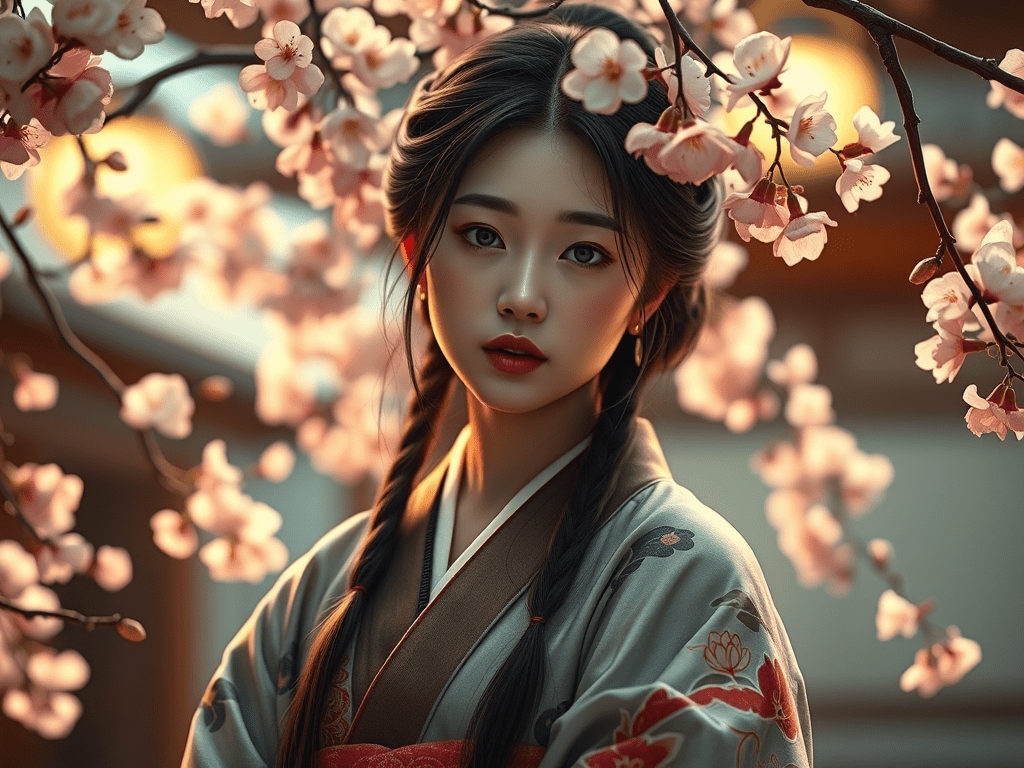
Izumi Shikibu: The Passionate Poetess Who Captured the Heart of Heian Japan
Introduction to Izumi Shikibu
Izumi Shikibu (和泉式部) is celebrated as one of the most passionate and talented poetesses of the Heian period. Known for her intense emotions and lyrical mastery, her poetry delves deep into the themes of love, desire, and the fleeting nature of beauty, leaving an enduring mark on Japanese literature.
Historical Background
Living amidst the refined yet complex court life of Heian Japan, Izumi Shikibu’s work reflects the intricate social and emotional dynamics of her time. As a prominent figure at court, she captured the essence of aristocratic life with her vivid descriptions and personal insights, offering a window into the emotional landscape of an era defined by elegance and subtlety.
Literary Contributions and Style
Izumi Shikibu’s poetry is renowned for its raw passion and evocative imagery. Her distinctive style includes:
- Emotional Intensity: Her verses often express profound longing and the bittersweet pain of love, resonating with readers on a deeply personal level.
- Lyrical Beauty: Shikibu’s mastery of language and use of elegant metaphors set a high standard for poetic expression, influencing generations of poets.
- Intimate Reflections: Through her personal experiences and emotions, she conveyed the transient beauty of life, leaving an indelible impact on the cultural memory of Japan.
Legacy and Enduring Impact
The legacy of Izumi Shikibu lives on through her contributions to Japanese literature and art. Her work continues to be studied and admired for its emotional depth and artistic brilliance. As a symbol of passionate expression, she has inspired countless writers, artists, and cultural enthusiasts, ensuring that her voice remains a vibrant part of Japan’s rich cultural heritage.
 japanews
コメントを残す