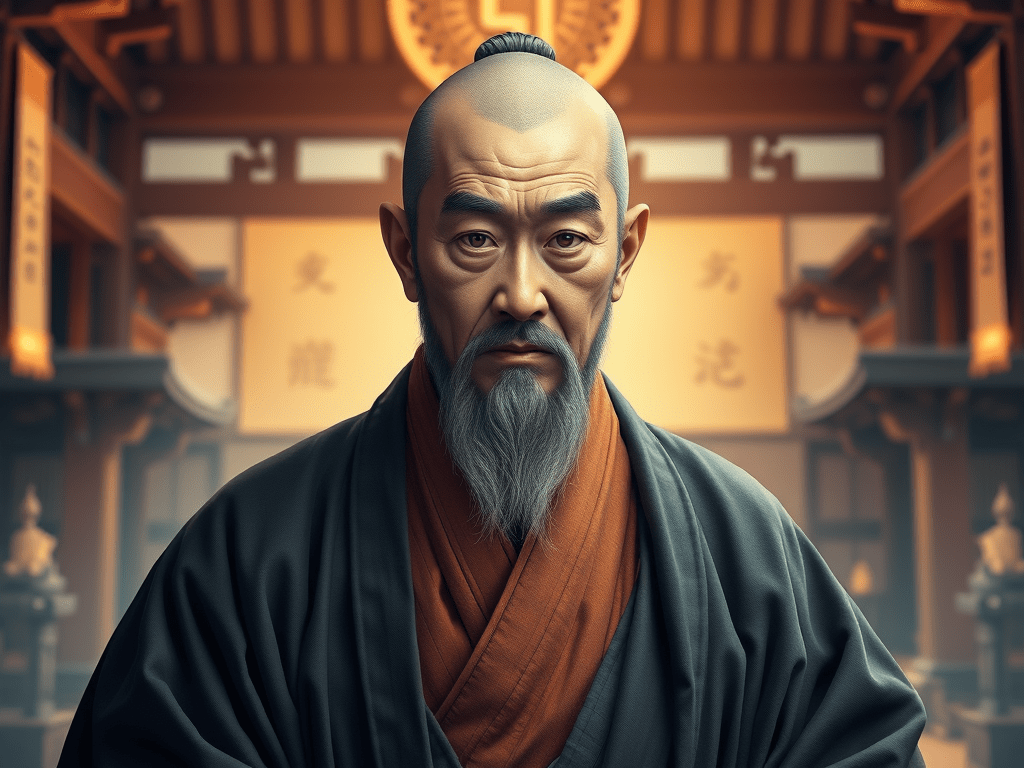
Kūkai: The Mastermind Behind Shingon Buddhism and Japan’s Esoteric Legacy
Introduction to Kūkai
Kūkai (空海), also known as Kobo Daishi, is one of Japan’s most influential Buddhist monks and scholars. Renowned for founding Shingon Buddhism, his profound spiritual insights and esoteric teachings have left an indelible mark on Japanese religion, art, and culture.
Historical Background
Kūkai lived during the early Heian period and embarked on a transformative journey to China, where he studied advanced Buddhist practices and esoteric doctrines. Upon his return to Japan, he introduced these sophisticated teachings, revolutionizing Japanese Buddhism and establishing a rich tradition of ritual, art, and philosophy that endures to this day.
Teachings and Contributions
Central to Kūkai’s legacy is the establishment of Shingon Buddhism, which emphasizes the use of mantras, mudras, and mandalas in spiritual practice. His contributions include:
- Esoteric Practices: Kūkai developed intricate rituals and meditative techniques that aimed at achieving enlightenment through direct, experiential insight.
- Cultural Impact: Beyond spiritual teachings, he influenced Japanese calligraphy, sculpture, and art, leaving behind a legacy celebrated in temples and cultural institutions across Japan.
- Literary Works: His extensive writings and poetry not only spread Buddhist teachings but also enriched Japanese literature and philosophical thought.
Legacy and Modern Influence
The impact of Kūkai’s life and teachings continues to resonate in modern Japan. Shingon Buddhism remains a vibrant tradition, and his esoteric methods are studied by scholars and practitioners alike. Monasteries dedicated to Kūkai and the artistic expressions inspired by his teachings serve as a testament to his enduring influence on Japan’s cultural and spiritual heritage.
 japanews
コメントを残す