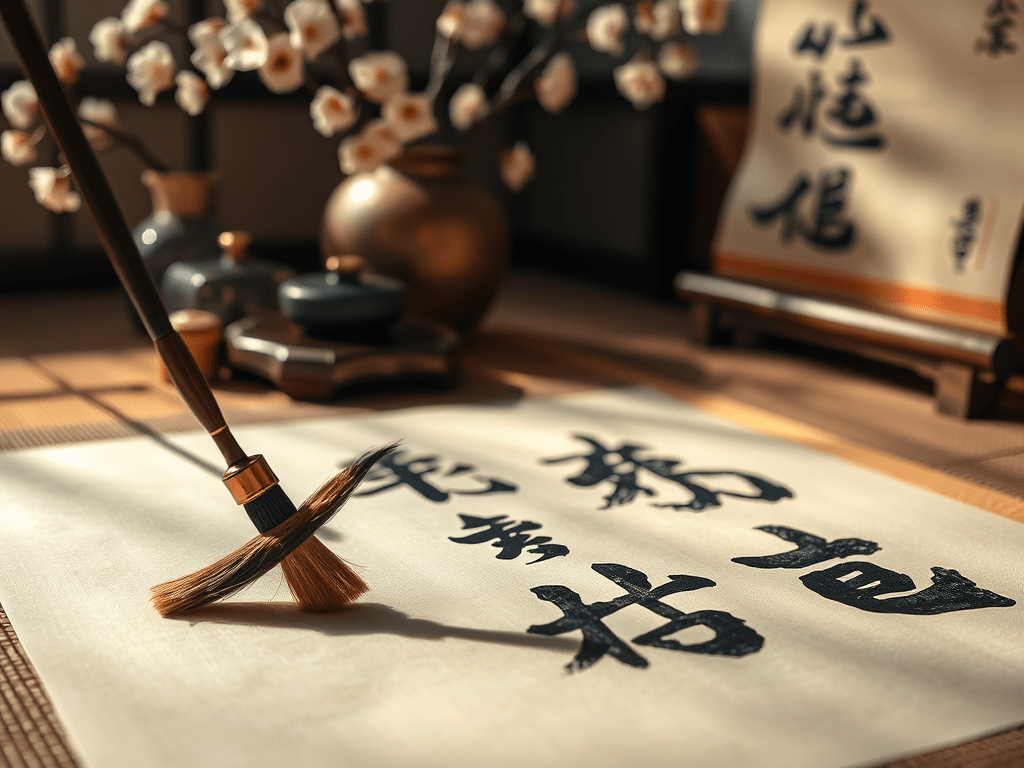
Ono no Michikaze: The Founder of Japanese Calligraphy and Icon of Artistic Elegance
Introduction to Ono no Michikaze
Ono no Michikaze (小野道風) is widely celebrated as the founding father of Japanese calligraphy. His graceful brushwork and refined artistic style set a standard for beauty in the written word that has influenced generations of calligraphers and artists across Japan.
Historical Background
Active during the Heian period, Ono no Michikaze emerged as a pivotal figure in the evolution of Japanese calligraphic art. At a time when Chinese influence was strong, Michikaze adapted and transformed continental calligraphy to create a uniquely Japanese aesthetic. His work not only elevated the art form but also became a crucial element of the cultural identity of the imperial court.
Artistic Contributions and Style
Michikaze’s innovative brush techniques and elegant compositions laid the foundation for what is now considered classical Japanese calligraphy. Key aspects of his contribution include:
- Innovative Brushwork: He developed a fluid and expressive style that emphasized balance, rhythm, and the beauty of each character’s form.
- Cultural Synthesis: By blending Chinese calligraphic influences with native Japanese sensibilities, Michikaze created a distinctive aesthetic that resonated with the refined tastes of the Heian aristocracy.
- Lasting Influence: His techniques and artistic ideals have been passed down through generations, shaping the practice and appreciation of calligraphy as a high art in Japan.
Legacy and Enduring Impact
Ono no Michikaze’s contributions continue to be celebrated as a cornerstone of Japanese artistic tradition. His legacy is evident not only in the preserved works attributed to him but also in the enduring influence of his style on modern calligraphy and visual arts. Today, calligraphers and scholars alike study his techniques to gain insight into the aesthetic principles that define classical Japanese art.
 japanews
コメントを残す