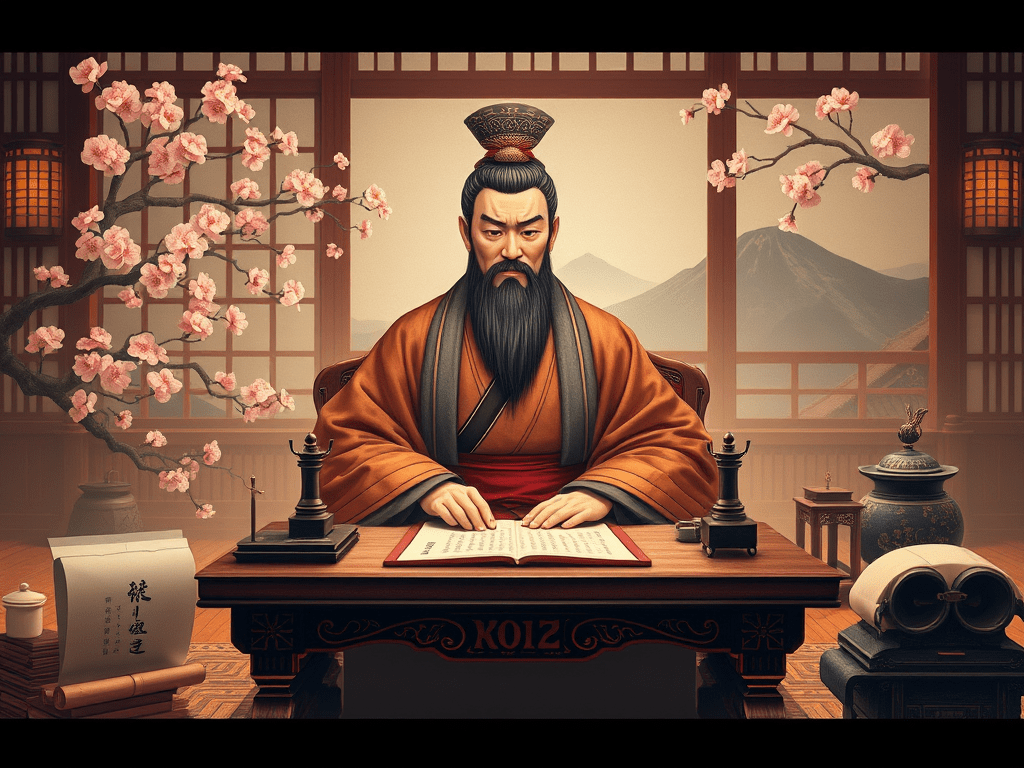
Ōtomo no Yakamochi: The Statesman and Poet Who Shaped Japan’s Literary Tradition
Introduction to Ōtomo no Yakamochi
Ōtomo no Yakamochi (大伴家持) was a celebrated figure in Japan’s Nara period, renowned both as a distinguished statesman and one of the greatest poets of the Man’yōshū. His dual legacy in governance and literature helped shape the cultural and political landscape of early Japan.
Historical Background
As a member of the influential Ōtomo clan, Yakamochi played a key role in the administration of the imperial court. His career spanned a time of significant political transformation, during which he also emerged as a prolific poet. His works, many of which are featured in the Man’yōshū, capture the spirit, emotions, and natural beauty of his era, reflecting both personal insights and the broader cultural milieu of the time.
Achievements and Contributions
Ōtomo no Yakamochi’s contributions were multifaceted:
- Literary Mastery: As one of the principal compilers and contributors to the Man’yōshū, his poetry set high standards for Japanese literature and influenced countless generations of poets.
- Political Service: His role as a statesman helped to strengthen the centralized governance of the imperial court, contributing to the stabilization and organization of early Japanese administration.
- Cultural Legacy: Yakamochi’s works provide invaluable insights into the social, political, and natural world of his time, offering a window into the values and aesthetics of ancient Japan.
Legacy and Impact
The legacy of Ōtomo no Yakamochi endures in both the realms of literature and governance. His poetry remains a cornerstone of classical Japanese literature, celebrated for its emotional depth and vivid imagery. Simultaneously, his contributions to statecraft helped pave the way for the future development of a centralized imperial system, leaving an indelible mark on Japan’s historical evolution.
 japanews
コメントを残す