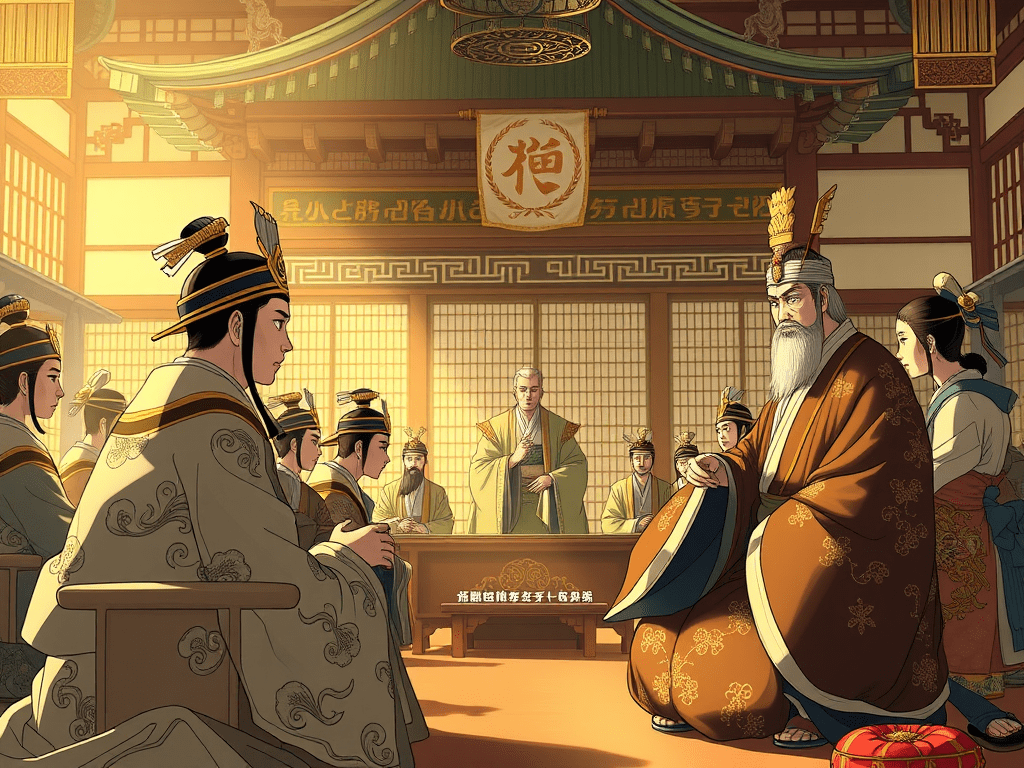
Sekkan Politics: The Regency System That Shaped Imperial Japan
Introduction to Sekkan Politics
Sekkan Politics (摂関政治) refers to the era in Japanese history when the regents, particularly from the powerful Fujiwara clan, held the real power behind the imperial throne. This system allowed these families to govern on behalf of young or incapable emperors, thereby shaping the political landscape of the country for centuries.
Historical Background
Emerging during the Nara and Heian periods, Sekkan Politics was characterized by the appointment of regents (sesshō and kampaku) who wielded significant influence over the imperial court. This period saw the rise of the Fujiwara clan, whose members skillfully managed court affairs and implemented policies that maintained centralized control, even when the emperor’s authority was nominal.
Key Features and Governance
The regency system under Sekkan Politics was marked by several distinct features:
- Delegated Authority: Regents governed in the emperor’s name, overseeing administrative, judicial, and fiscal matters, and ensuring that imperial decrees were enforced throughout the state.
- Political Alliances: The Fujiwara clan solidified their power by forging strategic marriages with the imperial family, further intertwining their influence with the state.
- Policy Reforms: Under the guidance of regents, significant reforms were implemented that streamlined governance, promoted cultural development, and laid the groundwork for a centralized bureaucracy.
Legacy and Impact
Sekkan Politics left a lasting legacy on Japan’s political and cultural development. The regency system not only ensured stable governance during periods of imperial transition but also fostered a rich cultural milieu that influenced art, literature, and legal reforms. The enduring impact of this system is evident in the continued reverence for court traditions and administrative practices in Japan’s historical narrative.
 japanews
コメントを残す