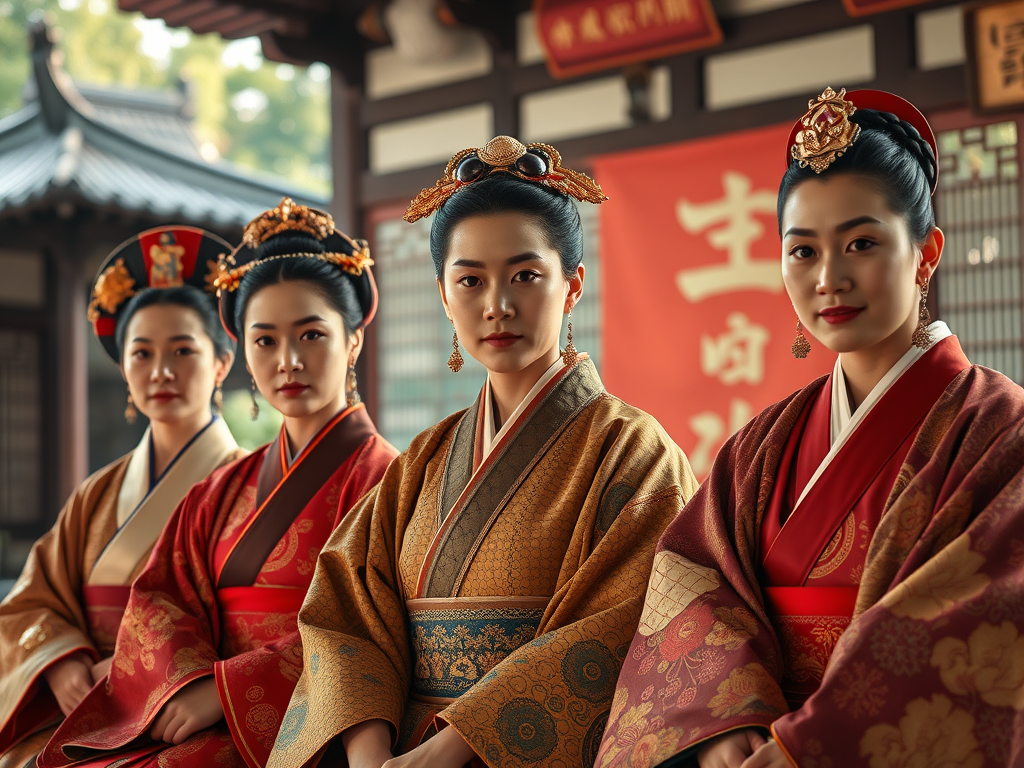
Sesshinke: The Regal Family Behind Japan’s Imperial Regency
Introduction to Sesshinke
Sesshinke (摂関家) refers to the powerful regent family that emerged during Japan’s Nara and Heian periods. Predominantly composed of members of the Fujiwara clan, the Sesshinke effectively controlled the imperial court by acting as regents (sesshō and kampaku) on behalf of young or weak emperors.
Historical Background
The rise of the Sesshinke was a turning point in Japanese political history. By skillfully marrying their daughters into the imperial family and holding key administrative positions, the Fujiwara regents consolidated power and established a system where the real authority of governance lay in the hands of these regents rather than the emperor.
Role and Influence
The Sesshinke played a crucial role in shaping Japan’s governance and culture:
- Political Control: Acting as regents, they managed state affairs, implemented reforms, and ensured stability during periods when the emperor was too young or otherwise unable to rule effectively.
- Cultural Patronage: Their support of arts, literature, and Buddhism helped cultivate a refined cultural atmosphere at court, influencing Japanese aesthetics and intellectual life for generations.
- Administrative Reforms: The Sesshinke introduced and maintained a centralized bureaucratic system that laid the groundwork for modern Japanese governance.
Legacy and Impact
The legacy of the Sesshinke is evident in their lasting impact on Japanese politics and culture. Their reign marked an era where regency and imperial power became deeply intertwined, setting precedents for future statecraft. The sophisticated administration and cultural patronage of the Sesshinke continue to be celebrated as a cornerstone of Japan’s historical identity.
 japanews
コメントを残す