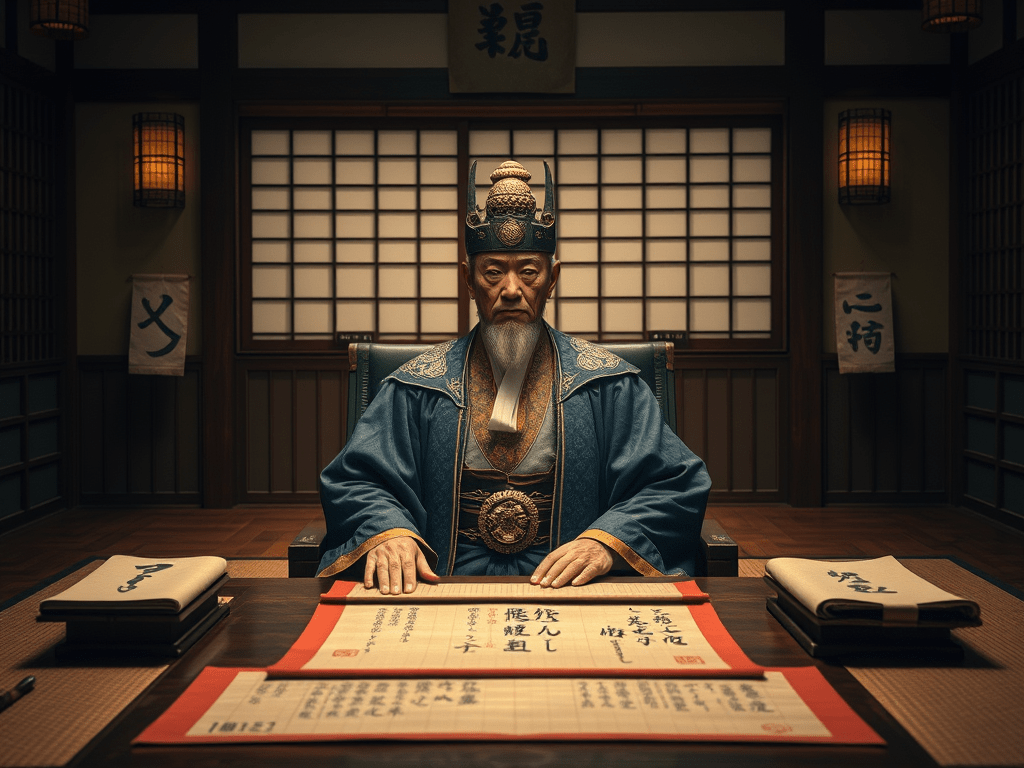
Sesshō: The Guiding Force Behind Japan’s Imperial Governance
Introduction to Sesshō
Sesshō (摂政) refers to a regent appointed to govern in the absence or minority of an emperor. In Japan’s imperial history, the regent played a critical role in ensuring the stability and continuity of the state, acting as the central authority during transitional periods. This position underscores the complex balance between direct imperial rule and delegated power in ancient Japan.
Historical Background
The concept of a sesshō emerged during the early periods of Japan’s imperial history, particularly when emperors were too young to rule. Over the centuries, regents from powerful families, notably the Fujiwara clan, were entrusted with the responsibility to administer the state. The role was essential for maintaining governmental continuity, implementing reforms, and managing court affairs during periods of political transition.
Duties and Responsibilities
A sesshō’s responsibilities were extensive and influential. Key duties included:
- Administrative Oversight: Managing the day-to-day affairs of the government and ensuring the effective execution of imperial policies.
- Political Guidance: Advising the emperor and acting as a mediator among court factions, often shaping policy and reform initiatives.
- Succession Management: Overseeing the smooth transition of power, especially during the emperor’s minority or in times of succession disputes.
Legacy and Impact
The legacy of the sesshō is integral to understanding the evolution of Japan’s governance. By bridging the gap between imperial authority and effective administration, regents helped foster a stable and enduring political system. Their contributions not only shaped the course of statecraft in ancient Japan but also laid the groundwork for later reforms that influenced the nation’s development for centuries.
 japanews
コメントを残す