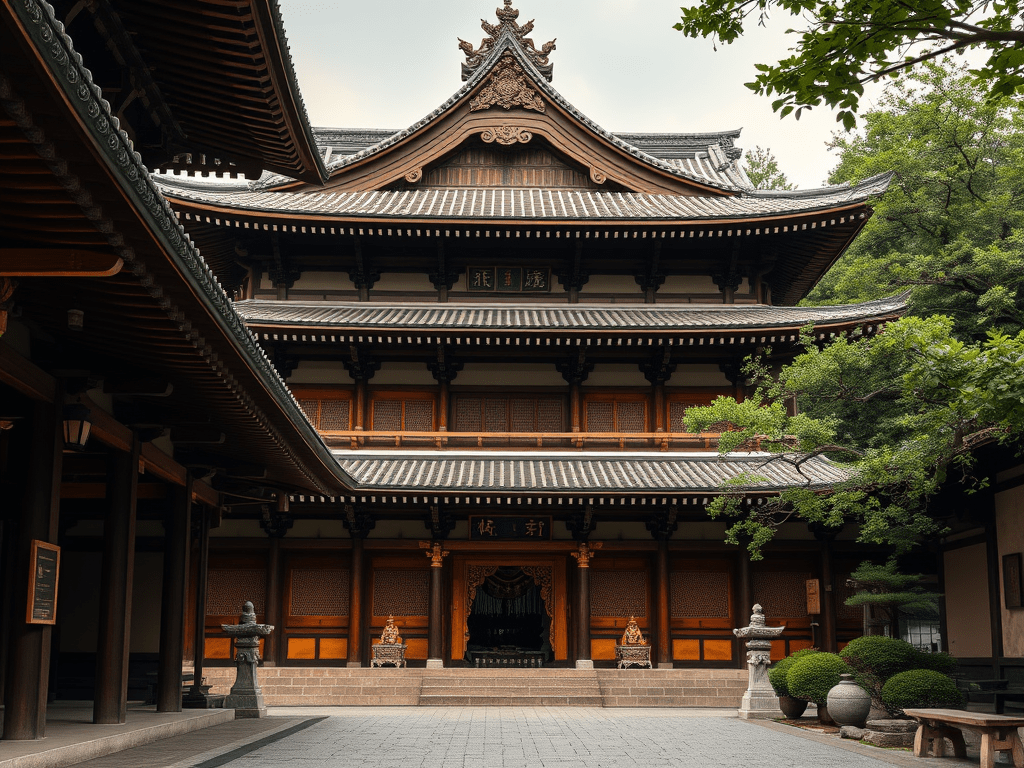
Shōsōin: The Treasure Repository of Japan’s Imperial Heritage
Introduction to Shōsōin
Shōsōin (正倉院) is a renowned treasure repository located in Nara, Japan. Established during the Nara period, it was originally built to store the imperial regalia and precious cultural artifacts. Today, it stands as a testament to Japan’s rich historical legacy and serves as an invaluable archive of ancient art, craftsmanship, and religious influence.
Historical Background
Shōsōin was constructed in the 8th century under the patronage of Emperor Shōmu. Designed as a secure storage facility for the treasures of the imperial court, the repository reflects the sophisticated administrative and aesthetic standards of the Nara period. Over the centuries, it has safeguarded priceless relics that offer insights into the political, religious, and cultural milieu of early Japan.
Cultural and Religious Significance
The treasures housed within Shōsōin include exquisite works of art, religious statues, textiles, and documents. These artifacts illustrate the confluence of indigenous traditions and continental influences, particularly from China and Korea. Shōsōin not only highlights the opulence of the imperial court but also embodies the spiritual and cultural values that were central to Japanese society.
Legacy and Modern Impact
Today, Shōsōin is recognized as a UNESCO World Heritage Site, drawing scholars, historians, and tourists from around the globe. Its well-preserved collection provides a unique window into Japan’s formative years, influencing modern interpretations of art, religion, and statecraft. The repository continues to inspire both academic research and public appreciation for Japan’s enduring cultural heritage.
 japanews
コメントを残す