投稿者: japanews

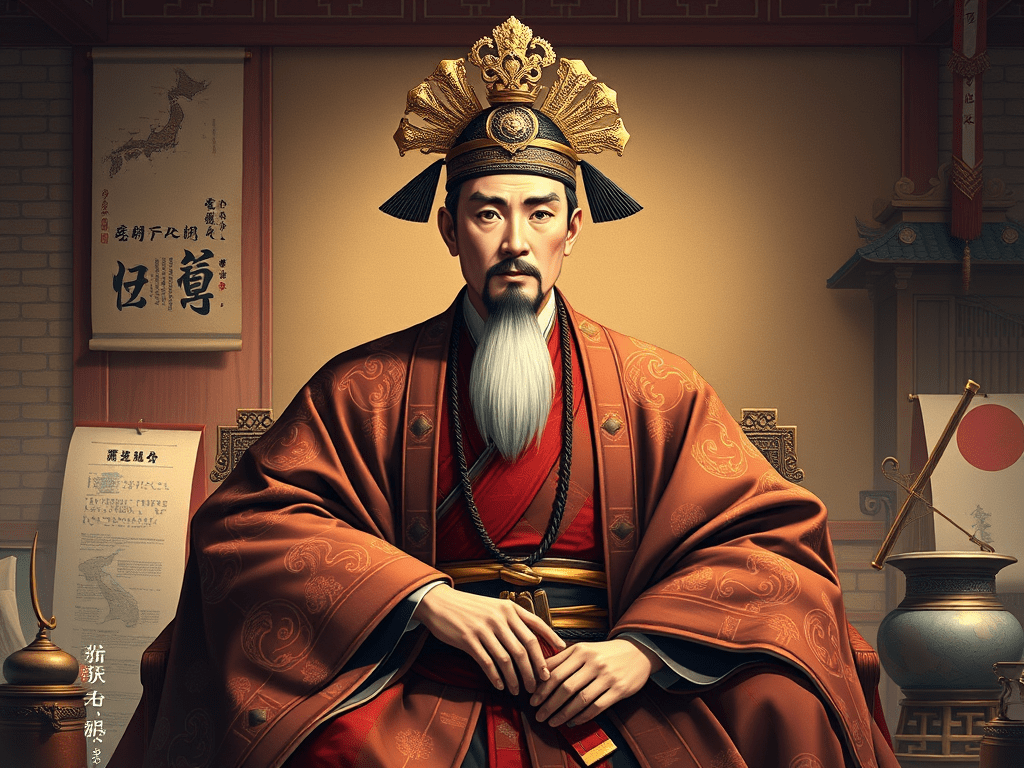
  • Empress Jitō: The Pioneering Reformer Who Shaped Japan’s Future

    Empress Jitō: The Pioneering Reformer Who Shaped Japan’s Future

    Empress Jitō: The Pioneering Reformer Who Shaped Japan’s Future

    Introduction to Empress Jitō

    Empress Jitō (持統天皇) was one of the most influential figures in Japan’s early history. As a ruler during the Asuka period, her reign is celebrated for pioneering reforms that helped unify the state and laid the groundwork for Japan’s centralized government.

    Historical Background

    Empress Jitō ascended to the throne in a time of significant transition. Following a period marked by political strife and regional fragmentation, her leadership brought stability and the integration of various regional powers. Her reign witnessed the consolidation of administrative systems, which was crucial in shaping the future of the Japanese state.

    Reforms and Achievements

    Empress Jitō’s rule was characterized by a series of groundbreaking reforms:

    • Administrative Centralization: She implemented policies that streamlined governance, thereby strengthening the central authority and reducing regional conflicts.
    • Land and Tax Reforms: Her efforts in standardizing land distribution and taxation helped ensure a steady revenue stream for the government, fostering economic stability.
    • Cultural Integration: Empress Jitō promoted cultural and political exchanges that enriched Japan’s social fabric and advanced its national identity.

    Legacy of Empress Jitō

    The legacy of Empress Jitō endures as a symbol of visionary leadership and effective governance. Her reforms not only brought unity during a critical period in Japanese history but also set the stage for subsequent developments in law, culture, and administration. Today, she is remembered as a pioneering ruler whose impact resonates in modern Japan.

    About the Author


    Japanews

    I am a Japanese resident sharing the rich history and vibrant culture of Japan with the world. In addition to reporting the latest news, I explore unique historical topics that highlight Japan’s enduring legacy. Feel free to explore my online store for traditional Japanese ceramics.

    Visit My Shop


  • Nukata Ōkimi: The Enigmatic Poetess of Japan’s Man’yōshū

    Nukata Ōkimi: The Enigmatic Poetess of Japan’s Man’yōshū

    Nukata Ōkimi: The Enigmatic Poetess of Japan’s Man’yōshū

    Introduction to Nukata Ōkimi

    Nukata Ōkimi (額田王) was a revered poetess whose works are featured in the Man’yōshū, Japan’s oldest anthology of poetry. Her verses, imbued with emotion and keen observation of nature, have captivated readers for centuries and continue to influence Japanese literature.

    Historical Background

    Nukata Ōkimi lived during a formative period in Japanese history, a time when poetry and literary expression were highly esteemed. Although details of her life remain shrouded in mystery, her contributions to the Man’yōshū highlight her as a significant cultural figure in ancient Japan.

    Literary Contributions

    Nukata Ōkimi is celebrated for her evocative poetry that reflects deep personal emotions and a profound connection with nature. Her works often explore themes of love, loss, and the transient beauty of the natural world, resonating with both contemporary and modern audiences.

    Legacy and Cultural Impact

    The enduring legacy of Nukata Ōkimi lies in her ability to capture the human experience through poetic expression. Her verses have not only enriched the literary tradition of Japan but have also inspired generations of poets and artists. Today, she remains an emblem of the refined and contemplative spirit that characterizes classical Japanese literature.

    About the Author


    Japanews

    I am a Japanese resident sharing the rich history and vibrant culture of Japan with the world. Along with reporting the latest news, I explore unique historical topics that highlight Japan’s enduring legacy. Feel free to explore my online store for traditional Japanese ceramics.

    Visit My Shop


  • Emperor Tenji (Prince Naka-Oe): The Architect of Japan’s Transformation

    Emperor Tenji (Prince Naka-Oe): The Architect of Japan’s Transformation

    Emperor Tenji (Prince Naka-Oe): The Architect of Japan’s Transformation

    Introduction to Emperor Tenji (Prince Naka-Oe)

    Emperor Tenji (天智天皇), also known as Prince Naka-Oe (中大兄皇子), was a transformational leader during Japan’s Asuka period. Renowned for his visionary reforms, he played a key role in centralizing power and laying the foundations for Japan’s modern state. His reign marked a significant turning point in the nation’s political and cultural evolution.

    Historical Background

    Emperor Tenji ascended to the throne during a time of considerable change and consolidation in Japan. His leadership emerged amidst the turbulent transitions following the reign of Empress Suiko, and his policies were instrumental in moving Japan towards a more centralized governmental structure. His era saw the early stirrings of reforms that would later culminate in the Taika Reforms, profoundly influencing Japan’s administrative and legal systems.

    Reforms and Achievements

    During his reign, Emperor Tenji (Prince Naka-Oe) championed numerous reforms aimed at strengthening the central government and streamlining administrative processes:

    • Centralization of Power: His efforts helped consolidate authority, reducing the influence of regional clans and paving the way for a unified state.
    • Administrative Innovations: He implemented policies that improved governance, laying the groundwork for future legal and administrative reforms.
    • Cultural and Diplomatic Initiatives: Emperor Tenji promoted cultural exchanges and diplomatic relations that enriched Japan’s political and intellectual life.

    Legacy of Emperor Tenji

    The legacy of Emperor Tenji endures in modern Japan. His visionary leadership not only reformed the state but also influenced the cultural and political trajectory of the nation. Today, he is remembered as a pivotal figure whose reforms set the stage for Japan’s evolution into a centralized and sophisticated society, inspiring future generations with his commitment to progress and unity.

    About the Author


    Japanews

    I am a Japanese resident sharing the rich history and vibrant culture of Japan with the world. Along with reporting the latest news, I explore unique historical topics that highlight Japan’s enduring legacy. Feel free to explore my online store for traditional Japanese ceramics.

    Visit My Shop


  • Ono no Imoko: The Trailblazing Diplomat Who Bridged Japan and China

    Ono no Imoko: The Trailblazing Diplomat Who Bridged Japan and China

    Ono no Imoko: The Trailblazing Diplomat Who Bridged Japan and China

    Introduction to Ono no Imoko

    Ono no Imoko (小野妹子) was a pioneering diplomat of ancient Japan, renowned for his courageous mission to establish diplomatic ties with China during the Asuka period. His journey paved the way for significant cultural and political exchanges between the two great civilizations.

    Historical Background

    During the 7th century, as Japan began to adopt and adapt continental ideas, Ono no Imoko was entrusted with the critical task of representing the Japanese court abroad. His mission was aimed at fostering diplomatic relations with the powerful Chinese dynasties, enabling the transmission of ideas, technology, and administrative practices that would help shape Japan’s future.

    Diplomatic Achievements

    Ono no Imoko’s journey was marked by several notable achievements:

    • Establishing Early Relations: As one of the first official envoys, he laid the foundation for sustained diplomatic engagement between Japan and China.
    • Cultural Exchange: His mission facilitated the transfer of key cultural and technological innovations, including administrative reforms and Buddhist teachings.
    • Strengthening National Identity: The success of his diplomatic endeavors contributed to the modernization of Japan’s state structure and enhanced its international standing.

    Legacy of Ono no Imoko

    The pioneering efforts of Ono no Imoko have left a lasting impact on Japanese history. His role as a diplomat not only set a precedent for future international relations but also enriched Japan’s cultural and political landscape. Today, he is remembered as a symbol of courage and innovation, whose legacy continues to inspire the spirit of diplomacy and cross-cultural exchange.

    About the Author


    Japanews

    I am a Japanese resident sharing the rich history and vibrant culture of Japan with the world. Along with reporting the latest news, I delve into unique historical topics that highlight Japan’s enduring legacy. Feel free to explore my online store for traditional Japanese ceramics.

    Visit My Shop


  • Prince Shōtoku: The Visionary Leader Who Shaped Early Japan

    Prince Shōtoku: The Visionary Leader Who Shaped Early Japan

    Prince Shōtoku: The Visionary Leader Who Shaped Early Japan

    Introduction to Prince Shōtoku

    Prince Shōtoku (聖徳太子) is one of the most celebrated figures in Japanese history. Renowned for his progressive ideas and deep commitment to Buddhism, he played a pivotal role in shaping the political and cultural landscape of early Japan during the Asuka period.

    Historical Background

    Living during a time of significant transformation, Prince Shōtoku is credited with initiating reforms that contributed to the centralization of government and the promotion of cultural and religious exchange. His policies were inspired by both indigenous practices and continental influences, particularly from China and Korea.

    Achievements and Reforms

    Prince Shōtoku’s tenure is marked by several landmark achievements:

    • Promotion of Buddhism: He actively promoted Buddhism as a means to unify the country and instill moral and ethical values in governance.
    • Centralization of Government: His administrative reforms laid the groundwork for a centralized state, influencing later legal and governmental systems.
    • Cultural and Educational Initiatives: Shōtoku is credited with fostering an environment where art, literature, and scholarship could flourish, leaving a lasting impact on Japanese culture.

    Legacy of Prince Shōtoku

    Prince Shōtoku’s legacy endures as a symbol of visionary leadership and cultural integration. His reforms not only modernized the state but also enriched Japan’s spiritual and cultural life. Today, he is celebrated as a key architect of Japan’s early identity, and his influence continues to resonate in the realms of governance, religion, and education.

    About the Author


    Japanews

    I am a Japanese resident sharing the rich history and vibrant culture of Japan with the world. Along with reporting the latest news, I delve into unique historical topics that highlight Japan’s enduring legacy. Feel free to explore my online store for traditional Japanese ceramics.

    Visit My Shop


  • Empress Suiko: The Pioneering Reign that Shaped Japan’s Imperial Legacy

    Empress Suiko: The Pioneering Reign that Shaped Japan’s Imperial Legacy

    Empress Suiko: The Pioneering Reign that Shaped Japan’s Imperial Legacy

    Introduction to Empress Suiko

    Empress Suiko (推古天皇) stands as one of the earliest and most influential reigning empresses in Japanese history. Ascending the throne during the Asuka period, her reign marked a turning point in the establishment of a centralized state and the embrace of new cultural and religious ideas.

    Historical Background

    Empress Suiko’s reign began in an era characterized by rapid political and cultural change. Influenced by continental models, her government initiated reforms that strengthened central authority and laid the groundwork for modern Japanese governance. Her leadership coincided with the introduction and gradual acceptance of Buddhism, which played a crucial role in shaping Japan’s spiritual and cultural landscape.

    Achievements and Reforms

    During her reign, Empress Suiko and her advisors implemented significant reforms that had lasting impacts:

    • Centralization of Power: Reforms that promoted a unified administration and helped consolidate regional authorities.
    • Promotion of Buddhism: The embrace of Buddhism not only transformed religious practices but also enriched Japanese art, philosophy, and culture.
    • Cultural Integration: Initiatives to incorporate continental administrative and cultural practices, setting Japan on a path toward modernization.

    Legacy of Empress Suiko

    The legacy of Empress Suiko endures as a cornerstone of Japan’s imperial history. Her forward-thinking policies and support for cultural exchange set precedents that influenced future generations. Today, she is remembered not only as a ruler but as a visionary leader who helped shape the identity of Japan.

    About the Author


    Japanews

    I am a Japanese resident sharing the rich history and vibrant culture of Japan with the world. In addition to the latest news, I explore unique historical topics that highlight Japan’s enduring legacy. Feel free to explore my online store for traditional Japanese ceramics.

    Visit My Shop


  • Soga no Umako: The Visionary Statesman Behind Japan’s Transformation

    Soga no Umako: The Visionary Statesman Behind Japan’s Transformation

    Soga no Umako: The Visionary Statesman Behind Japan’s Transformation

    Introduction to Soga no Umako

    Soga no Umako (蘇我馬子) was a prominent figure in ancient Japan whose leadership and reforms played a pivotal role in shaping the nation’s political and cultural landscape. As a key member of the powerful Soga clan, Umako’s influence was instrumental in introducing new ideas, including the adoption of Buddhism, and modernizing Japan’s statecraft.

    Historical Background

    Soga no Umako emerged during the Asuka period, a time of significant transformation in Japanese history. Amidst internal power struggles and the gradual influence of continental ideas from China and Korea, Umako stood out as a visionary leader. His strategic alliances and reforms helped consolidate power, laying the groundwork for a more centralized state.

    Political and Cultural Achievements

    Umako’s tenure is marked by several key achievements:

    • Promotion of Buddhism: He played a critical role in the early adoption of Buddhism, which later became a cornerstone of Japanese culture and spirituality.
    • Administrative Reforms: Umako introduced innovative governance practices that streamlined administrative functions and bolstered the central authority.
    • Cultural Integration: By fostering connections with continental civilizations, he paved the way for the integration of art, literature, and technology into Japanese society.

    Legacy of Soga no Umako

    The legacy of Soga no Umako is profound. His contributions not only reformed Japan’s political system but also influenced the cultural and religious identity of the nation. Today, his life and achievements continue to be celebrated by historians and serve as a testament to the transformative power of visionary leadership in shaping society.

    About the Author


    Japanews

    I am a Japanese resident sharing the rich history and vibrant culture of Japan with the world. Along with reporting the latest news, I delve into unique historical topics that highlight Japan’s legacy. Feel free to explore my online store for traditional Japanese ceramics.

    Visit My Shop


  • Imperial Court: The Heart of Japan’s Ancient Governance and Cultural Legacy

    Imperial Court: The Heart of Japan’s Ancient Governance and Cultural Legacy

    Imperial Court: The Heart of Japan’s Ancient Governance and Cultural Legacy

    Introduction to the Imperial Court

    Imperial Court (朝廷) refers to the central governing body in ancient Japan, where the emperor and his advisors presided over the administration of the state. This institution was pivotal in shaping the political, cultural, and social landscapes of early Japan.

    Historical Background

    The Imperial Court emerged during the early periods of Japanese history, evolving over centuries as the nation transitioned from clan-based rule to a more centralized state. It was influenced by continental models, particularly those from China, and played a key role in implementing administrative reforms and consolidating power.

    Structure and Role

    The court was not only a center of political power but also a cultural hub. Its responsibilities included:

    • Governance and Administration: Managing state affairs, implementing laws, and overseeing local governance.
    • Cultural Patronage: Promoting arts, literature, and religious practices, which led to a flourishing of cultural achievements.
    • Diplomatic Engagement: Facilitating communication and exchange with neighboring countries, thereby enhancing Japan’s international profile.

    Cultural and Political Impact

    The Imperial Court was a driving force behind many of Japan’s enduring traditions. It helped shape the administrative systems and cultural norms that continue to influence Japanese society today. The court’s patronage of the arts and its role in religious affairs fostered a rich cultural heritage that remains integral to Japan’s identity.

    Legacy of the Imperial Court

    The influence of the Imperial Court extends far beyond its historical period. Its structures and policies laid the groundwork for modern Japanese governance, while its cultural contributions continue to inspire contemporary arts and traditions. Today, the legacy of the Imperial Court is celebrated as a cornerstone of Japan’s national identity and historical evolution.

    About the Author


    Japanews

    I am a Japanese resident sharing the rich history and vibrant culture of Japan with the world. Along with reporting the latest news, I delve into unique historical topics that highlight Japan’s legacy. Feel free to explore my online store for traditional Japanese ceramics.

    Visit My Shop


  • Han-Ten Shūju-Hō: Unveiling the Ancient Land Distribution and Taxation System of Japan

    Han-Ten Shūju-Hō: Unveiling the Ancient Land Distribution and Taxation System of Japan

    Han-Ten Shūju-Hō: Unveiling the Ancient Land Distribution and Taxation System of Japan

    Introduction to Han-Ten Shūju-Hō

    Han-Ten Shūju-Hō (班田収授法) was an innovative land distribution and taxation system established in ancient Japan. Modeled on continental administrative practices, it played a crucial role in organizing land use and ensuring stable revenue for the state.

    Historical Background

    Developed during the Asuka period, the Han-Ten Shūju-Hō was designed to allocate agricultural land among the populace in a fair and systematic manner. The system aimed to balance the distribution of fertile land and standardize tax obligations, thereby promoting social stability and economic development.

    System Structure and Implementation

    The Han-Ten Shūju-Hō functioned by:

    • Land Allocation: Dividing the country into defined plots, each assigned to local communities or individuals based on productivity and need.
    • Tax Collection: Establishing a standardized system for collecting taxes in the form of rice or other agricultural produce, ensuring consistent state revenue.
    • Administrative Control: Enabling the central government to monitor land use and taxation, which helped maintain order and reduce corruption.

    Socio-Economic Impact

    The implementation of the Han-Ten Shūju-Hō brought about significant changes in ancient Japan:

    • Economic Stability: The systematic collection of taxes ensured a steady revenue stream for the government, facilitating public works and defense.
    • Social Equity: Fair land distribution helped mitigate regional disparities and fostered a sense of communal responsibility.
    • Administrative Efficiency: By centralizing land management, the system improved governmental oversight and reduced disputes over property and tax obligations.

    Legacy of Han-Ten Shūju-Hō

    The Han-Ten Shūju-Hō is remembered as a pioneering effort in state administration and socio-economic reform. Its principles influenced subsequent developments in Japanese governance and laid the groundwork for a more organized society. Today, scholars study this system to gain insights into the evolution of land management and fiscal policy in early Japan.

    About the Author


    Japanews

    I am a Japanese resident sharing the rich history and vibrant culture of Japan with the world. Along with reporting the latest news, I delve into unique historical topics that highlight Japan’s legacy. Feel free to explore my online store for traditional Japanese ceramics.

    Visit My Shop


  • Taibō Ritsuryō: The Foundation of Japan’s Legal System and Administrative Reforms

    Taibō Ritsuryō: The Foundation of Japan’s Legal System and Administrative Reforms

    Taibō Ritsuryō: The Foundation of Japan’s Legal System and Administrative Reforms

    Introduction to Taibō Ritsuryō

    Taibō Ritsuryō (大宝律令) is one of the earliest comprehensive legal codes in Japan. Established during the Asuka period, this codification laid the framework for governance, law, and administrative organization in ancient Japan, influencing the evolution of the country’s political and legal systems.

    Historical Background

    Promulgated in the early 8th century, the Taibō Ritsuryō system was inspired by continental Chinese legal and administrative practices. It was part of a broader effort to centralize and modernize the state, adapting foreign models to suit Japan’s unique social and political landscape. This legal code played a crucial role in unifying various local customs under a single, coherent system.

    Key Provisions and Impact

    The Taibō Ritsuryō introduced several reforms that had a lasting impact on Japanese society:

    • Structured Governance: It established clear roles and responsibilities for government officials, promoting a merit-based bureaucratic system.
    • Legal Uniformity: By codifying laws, it reduced regional disparities and laid the foundation for a unified legal framework.
    • Administrative Efficiency: The system improved state management, taxation, and public administration, ensuring better control over local governance.

    Legacy of Taibō Ritsuryō

    The influence of the Taibō Ritsuryō can still be felt in modern Japan. It not only shaped the early structure of the Japanese state but also left an enduring mark on legal and administrative practices. Scholars continue to study this legal code as a key milestone in the development of Japan’s centralized government and as a testament to the nation’s historical commitment to structured governance.

    About the Author


    Japanews

    I am a Japanese resident sharing the rich history and vibrant culture of Japan with the world. Along with reporting the latest news, I delve into unique historical topics that highlight Japan’s legacy. Feel free to explore my online store for traditional Japanese ceramics.

    Visit My Shop