投稿者: japanews

  • Envoys to Tang China: Pioneering Japan’s Cultural and Diplomatic Exchange

    Envoys to Tang China: Pioneering Japan’s Cultural and Diplomatic Exchange

    Envoys to Tang China: Pioneering Japan’s Cultural and Diplomatic Exchange

    Introduction to the Envoys to Tang China

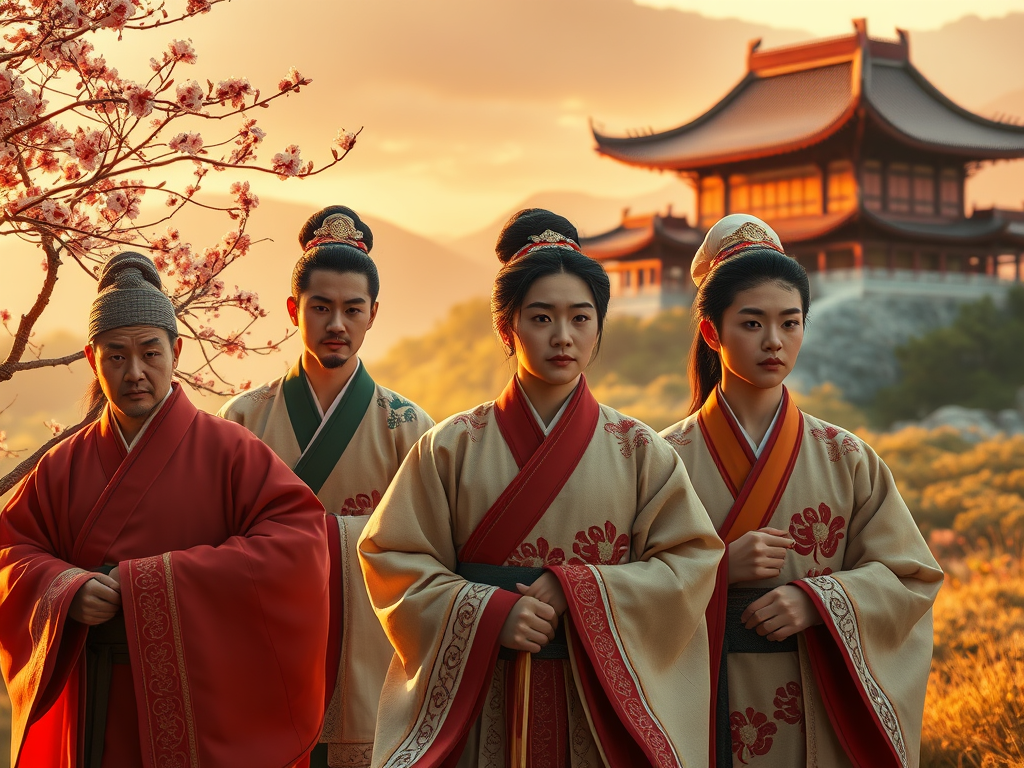
    Envoys to Tang China (遣唐使) were official diplomatic missions sent by Japan to the Tang Dynasty during the 7th to 9th centuries. These missions played a crucial role in fostering cultural, political, and technological exchanges that deeply influenced the development of Japanese civilization.

    Historical Background

    During a period of significant transformation, Japan recognized the value of engaging with the advanced civilization of Tang China. The envoys traveled long distances to study Chinese governance, art, literature, and technology. Their journeys not only enriched Japanese culture but also helped lay the foundation for a more centralized state.

    Diplomatic and Cultural Impact

    The missions to Tang China had far-reaching effects on Japanese society:

    • Political Reforms: The exchange of ideas contributed to the modernization of Japan’s administrative systems and legal frameworks.
    • Cultural Enrichment: Japanese scholars and artisans absorbed new artistic techniques and philosophical concepts, which later influenced literature, architecture, and the visual arts.
    • Technological Advancements: Innovations in fields such as printing, metallurgy, and medicine were introduced, stimulating further progress in Japan.

    Legacy of the Envoys

    The legacy of the Envoys to Tang China is evident in Japan’s enduring cultural and institutional developments. These historic missions paved the way for continued international exchange and set a precedent for diplomatic relations in East Asia. Their contributions are celebrated today as key milestones in Japan’s journey toward becoming a sophisticated and influential nation.

    About the Author


    Japanews

    I am a Japanese resident sharing the rich history and vibrant culture of Japan with the world. Along with reporting the latest news, I delve into unique historical topics that highlight Japan’s legacy. Feel free to explore my online store for traditional Japanese ceramics.

    Visit My Shop


  • Seventeen-Article Constitution: The Cornerstone of Japan’s Early Governance

    Seventeen-Article Constitution: The Cornerstone of Japan’s Early Governance

    Seventeen-Article Constitution: The Cornerstone of Japan’s Early Governance

    Introduction to the Seventeen-Article Constitution

    Seventeen-Article Constitution (十七条の憲法) is a seminal document in Japanese history, established during the Asuka period under the guidance of Prince Shōtoku. Rather than a legal code in the modern sense, it outlines the ethical and moral principles that would guide the governance of Japan.

    Historical Background

    In the early 7th century, Japan was undergoing profound transformation influenced by continental ideas from China and Korea. The Seventeen-Article Constitution was promulgated as a means to consolidate power and promote a system of governance based on Confucian and Buddhist ideals. It laid the foundation for a centralized administrative state and influenced the development of subsequent governmental reforms.

    Key Principles and Philosophical Underpinnings

    The document emphasizes several core principles:

    • Moral Integrity: Leaders were expected to govern with virtue and set a moral example for society.
    • Harmony and Unity: The text promotes social harmony and cooperation, discouraging discord and factionalism.
    • Bureaucratic Efficiency: It laid out guidelines for efficient administration and the importance of loyal service to the state.

    Cultural and Political Impact

    The Seventeen-Article Constitution is more than an administrative guideline; it represents a shift in the cultural and ethical framework of Japanese society. Its emphasis on moral governance and social cohesion influenced the development of Japan’s political institutions and laid the groundwork for the country’s later legal and administrative systems.

    Legacy of the Seventeen-Article Constitution

    Though not enforced as a modern legal code, the Seventeen-Article Constitution has had a lasting legacy in shaping Japan’s collective values and governmental ethos. It remains a subject of study for historians and political theorists alike, symbolizing Japan’s early commitment to principled leadership and ethical governance.

    About the Author


    Japanews

    I am a Japanese resident sharing the rich history and vibrant culture of Japan with the world. Along with reporting the latest news, I delve into unique historical topics that highlight Japan’s legacy. Feel free to explore my online store for traditional Japanese ceramics.

    Visit My Shop


  • Crown Ranks of Japan: Exploring the Legacy of the Twelve Levels of Rank

    Crown Ranks of Japan: Exploring the Legacy of the Twelve Levels of Rank

    Crown Ranks of Japan: Exploring the Legacy of the Twelve Levels of Rank

    Introduction to the Twelve Levels of Rank

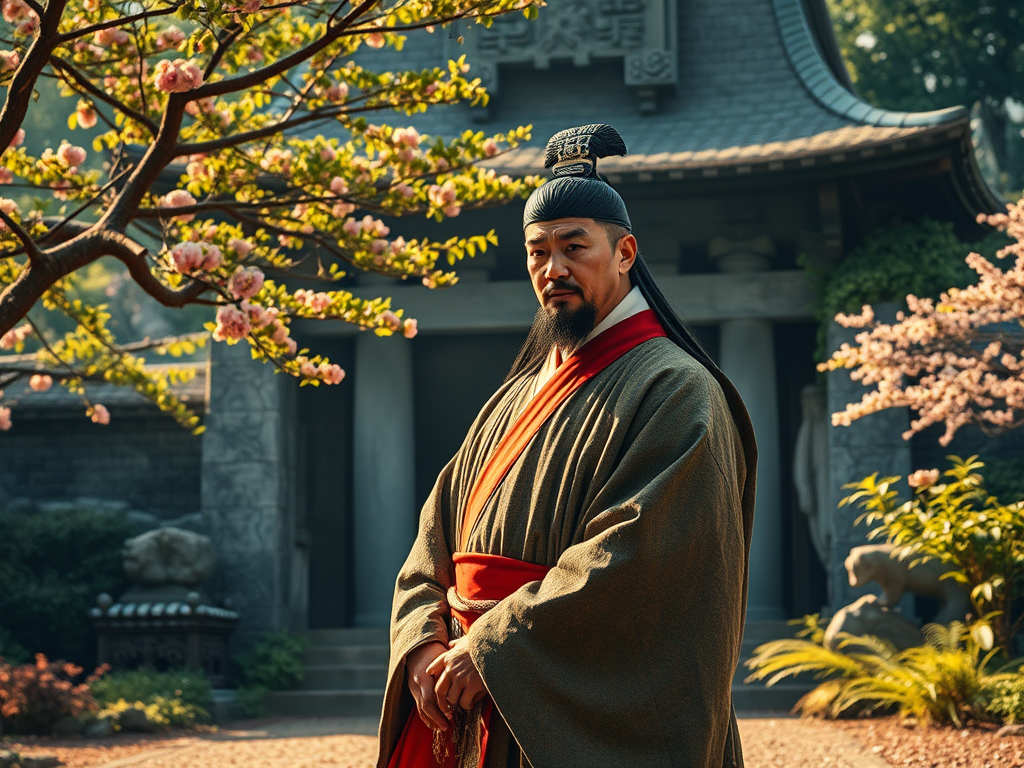
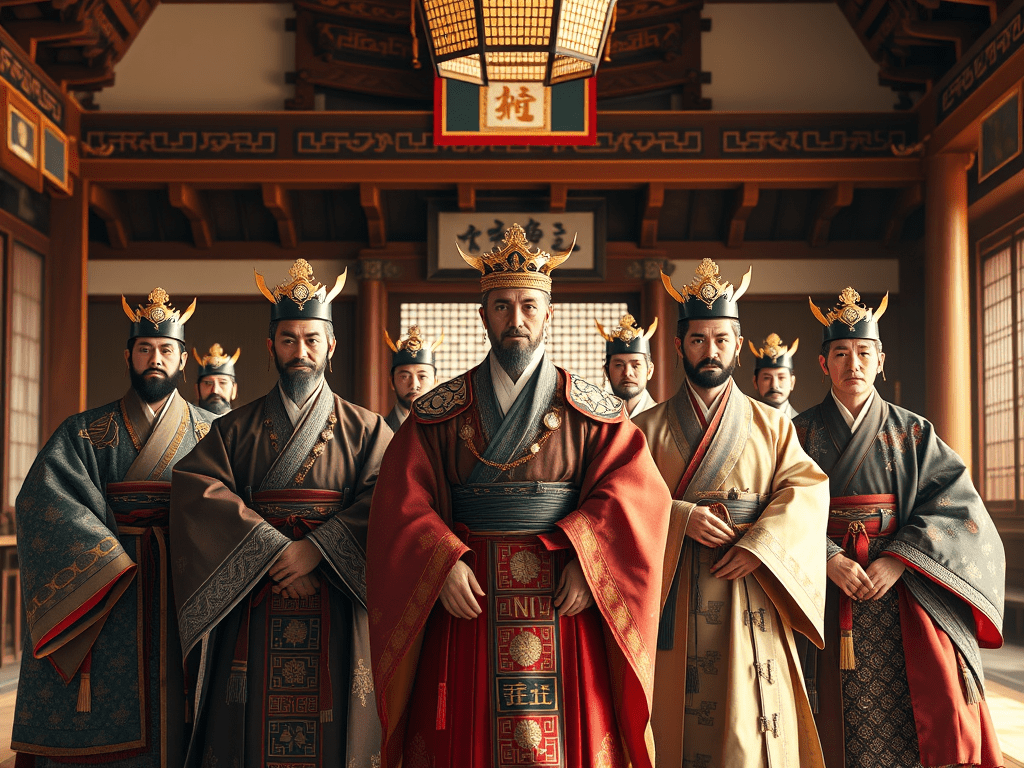
    Crown Ranks (冠位十二階) refer to the hierarchical system established in ancient Japan to organize the imperial court and civil service. Introduced during the Asuka period, this system set the foundation for a structured and merit-based administration that played a crucial role in the development of Japanese governance.

    Historical Background

    The Twelve Levels of Rank were formally instituted in the 7th century under the influence of Chinese bureaucratic models. This ranking system was designed to classify officials based on their achievements, abilities, and loyalty to the imperial family. It symbolized a shift towards a more organized and centralized state, laying the groundwork for subsequent governmental reforms.

    Structure and Significance

    The system divided the court into twelve distinct ranks, each carrying its own privileges and responsibilities. Key aspects include:

    • Meritocracy: Officials were promoted based on merit and service, fostering a culture of excellence within the government.
    • Centralized Administration: The ranks helped streamline administrative duties and ensure that the central government maintained control over regional affairs.
    • Cultural Impact: The system influenced not only governance but also social status, as one’s rank became a symbol of honor and prestige in society.

    Legacy of the Crown Ranks

    The introduction of the Twelve Levels of Rank was a transformative moment in Japanese history. It laid the foundation for future governmental reforms and shaped the structure of the imperial court for centuries. Today, the legacy of this system can still be seen in modern Japanese bureaucratic practices and is celebrated as a key development in the nation’s political evolution.

    About the Author


    Japanews

    I am a Japanese resident sharing the rich history and vibrant culture of Japan with the world. Along with reporting the latest news, I delve into unique historical topics that highlight Japan’s legacy. Feel free to explore my online store for traditional Japanese ceramics.

    Visit My Shop


  • Envoys to the Sui Dynasty: Japan’s Diplomatic Pioneers and Their Historic Mission

    Envoys to the Sui Dynasty: Japan’s Diplomatic Pioneers and Their Historic Mission

    Envoys to the Sui Dynasty: Japan’s Diplomatic Pioneers and Their Historic Mission

    Introduction to the Envoys to the Sui Dynasty

    Envoys to the Sui (遣隋使) were official diplomatic missions sent by Japan to the Sui Dynasty in China. These missions played a critical role in facilitating cultural, technological, and political exchanges between the two nations, marking a significant milestone in the history of Japanese diplomacy.

    Historical Background

    During the early 7th century, Japan recognized the importance of establishing formal ties with the powerful Sui Dynasty. The envoys embarked on perilous journeys across the seas to engage with Chinese leaders, seek valuable knowledge, and bring back innovations that would eventually influence Japan’s own political and cultural evolution.

    Diplomatic and Cultural Impact

    The missions to the Sui Dynasty were instrumental in introducing Chinese advancements to Japan. Key impacts include:

    • Political Reforms: Exposure to Chinese administrative practices helped shape Japan’s governmental structure and contributed to the centralization of power.
    • Cultural Exchange: The envoys brought back not only political ideas but also advancements in art, literature, and technology, which enriched Japan’s cultural landscape.
    • Technological Innovations: From metallurgy to architecture, various technological practices were transmitted, leaving a lasting influence on Japanese society.

    Legacy of the Envoys

    The legacy of the Envoys to the Sui Dynasty is evident in modern Japan’s continued cultural and political evolution. Their daring voyages and successful negotiations paved the way for subsequent international relations, fostering a tradition of diplomacy that remains a cornerstone of Japanese identity. Today, these historic missions are celebrated as pivotal events that bridged two great civilizations.

    About the Author


    Japanews

    I am a Japanese resident sharing the rich history and vibrant culture of Japan with the world. Along with reporting the latest news, I delve into unique historical topics that highlight Japan’s legacy. Feel free to explore my online store for traditional Japanese ceramics.

    Visit My Shop


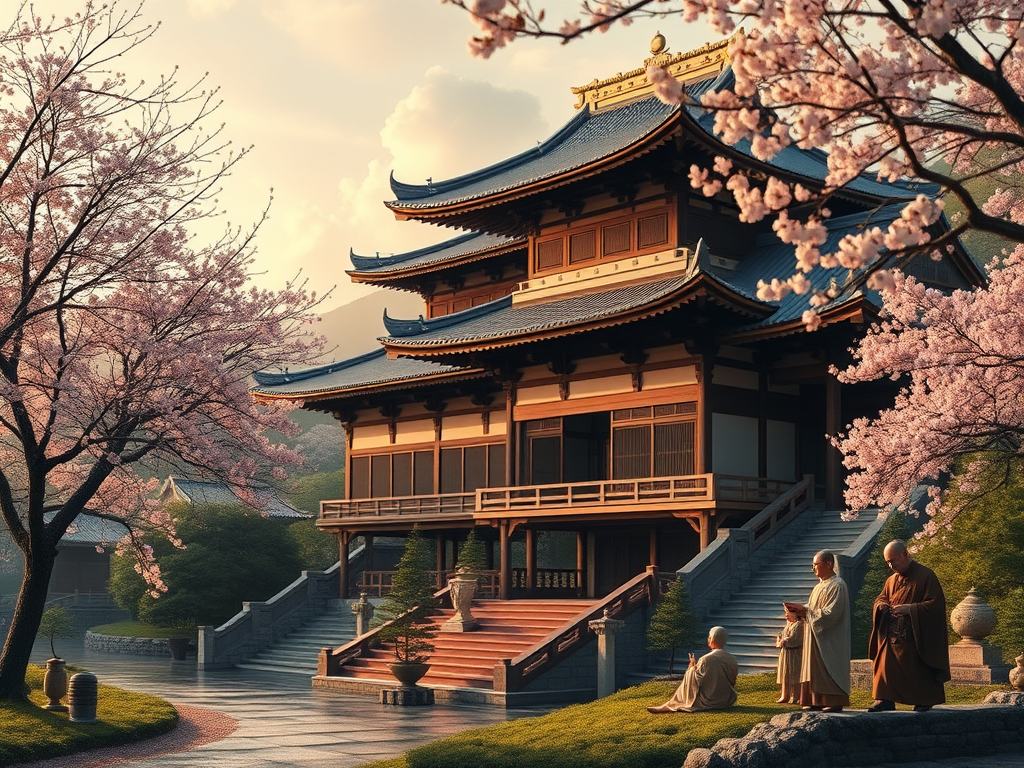
  • Buddhist Transmission: The Journey of Buddhism into Japan

    Buddhist Transmission: The Journey of Buddhism into Japan

    Buddhist Transmission: The Journey of Buddhism into Japan

    Introduction to Buddhist Transmission

    Buddhist Transmission (仏教伝来) marks a pivotal moment in Japanese history when Buddhism was introduced to Japan. This transformative event not only reshaped the spiritual landscape of the nation but also had far-reaching effects on its art, culture, and political structures.

    Historical Background

    Buddhism is believed to have been transmitted to Japan during the 6th century, primarily through cultural exchanges with the Korean Peninsula and China. Initially, it was introduced as a new religious and philosophical system that offered an alternative to indigenous beliefs. Early Japanese elites and scholars quickly recognized its potential to unify and enrich their society.

    Cultural and Social Impact

    The arrival of Buddhism brought significant cultural shifts:

    • Art and Architecture: Buddhist temples and sculptures began to emerge, blending with local artistic traditions to create unique expressions of religious art.
    • Philosophical Influence: Buddhist teachings on compassion, impermanence, and self-discipline resonated with the Japanese people, influencing both personal ethics and governance.
    • Social Transformation: As Buddhism spread, it fostered a sense of community and spiritual renewal, contributing to the development of a more centralized state.

    The Legacy of Buddhist Transmission

    The influence of Buddhism is still evident in Japan today. Its teachings have permeated various aspects of Japanese culture, from the peaceful rituals of tea ceremonies to the enduring aesthetic of Zen gardens. Buddhist temples and monuments continue to serve as centers of cultural heritage, attracting both worshippers and tourists alike.

    About the Author


    Japanews

    I am a Japanese resident sharing the rich history and vibrant culture of Japan with the world. Along with reporting the latest news, I delve into unique historical topics that highlight Japan’s legacy. Feel free to explore my online store for traditional Japanese ceramics.

    Visit My Shop


  • Sue Ware: Exploring the Elegance and Innovation of Japan’s Ancient Ceramics

    Sue Ware: Exploring the Elegance and Innovation of Japan’s Ancient Ceramics

    Sue Ware: Exploring the Elegance and Innovation of Japan’s Ancient Ceramics

    Introduction to Sue Ware

    Sue Ware (須恵器) represents a significant advancement in ancient Japanese pottery. Developed during the Kofun period, this high-fired, stoneware pottery is celebrated for its durability, refined aesthetics, and innovative production techniques.

    Historical Background

    Sue Ware emerged in Japan around the 5th to 7th centuries CE. It marked a departure from earlier, low-fired earthenware by utilizing high-temperature kilns, which resulted in stronger and more resilient ceramics. This technological leap not only improved everyday utility but also signified the growing sophistication of Japanese society during a period of rapid cultural and political transformation.

    Characteristics and Craftsmanship

    Sue Ware is noted for several distinctive features:

    • High-Temperature Firing: The use of advanced kilns produced a dense, hard ceramic that was less porous and more durable than its predecessors.
    • Sleek Aesthetics: Often characterized by a smooth, ash-colored surface, Sue Ware displays minimalist design elements that emphasize both functionality and beauty.
    • Innovative Techniques: The development of Sue Ware reflects significant technical progress in ceramic production, including precise molding and controlled firing methods.

    Cultural Significance

    Sue Ware was not only practical but also carried cultural and symbolic meanings. Its adoption in ritual contexts and everyday life illustrates the evolving social and economic structures of ancient Japan. The enduring appeal of Sue Ware lies in its blend of artistry and utility, making it a focal point in the study of Japan’s cultural heritage.

    Legacy and Modern Appreciation

    Today, Sue Ware is highly regarded by historians, archaeologists, and art enthusiasts alike. Exhibitions and academic research continue to shed light on its technological innovations and artistic qualities. This ancient pottery remains a vital link to Japan’s past, inspiring modern ceramic artists and serving as a testament to the country’s rich cultural legacy.

    About the Author


    Japanews

    I am a Japanese resident sharing the rich history and vibrant culture of Japan with the world. Along with reporting the latest news, I delve into unique historical topics that highlight Japan’s legacy. Feel free to explore my online store for traditional Japanese ceramics.

    Visit My Shop


  • Haniwa: Uncovering the Art and Cultural Significance of Japan’s Ancient Clay Figures

    Haniwa: Uncovering the Art and Cultural Significance of Japan’s Ancient Clay Figures

    Haniwa: Uncovering the Art and Cultural Significance of Japan’s Ancient Clay Figures

    Introduction to Haniwa

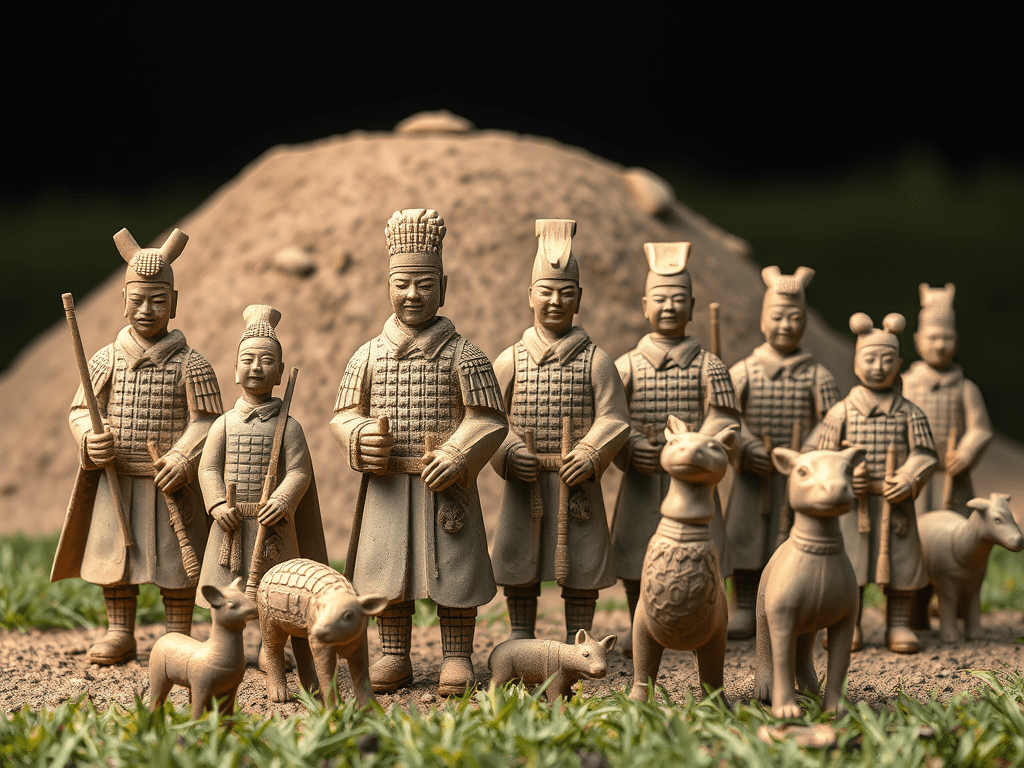
    Haniwa (埴輪) are terracotta clay figures that played a significant role in Japan’s ancient funerary practices. Dating back to the Kofun period, these figures were placed around burial mounds and are believed to have served both a ritualistic and decorative purpose.

    Historical Background

    The production of Haniwa began during the early Kofun period (circa 3rd to 7th century CE) when powerful clans constructed large burial mounds for their elite. These clay figures were used as a part of the funerary assemblage, intended to protect the deceased in the afterlife and to symbolize the status and identity of the buried individual.

    Artistic Characteristics

    Haniwa figures are renowned for their simplicity and expressive forms. Notable features include:

    • Diverse Forms: They range from simple cylindrical shapes to detailed representations of warriors, animals, and everyday objects.
    • Handcrafted Artistry: Each figure was individually molded by skilled artisans, reflecting both the aesthetic and spiritual values of the time.
    • Symbolic Function: Beyond decoration, these figures played a role in ritualistic practices, believed to ward off evil and guide the spirit of the deceased.

    Cultural Significance

    Haniwa provide valuable insights into the social and religious practices of ancient Japan. Their presence at burial sites not only highlights the importance of funerary customs but also underscores the advanced artistic capabilities of early Japanese society. Today, they continue to captivate historians, archaeologists, and art enthusiasts alike, serving as cultural symbols that bridge the past with the present.

    Legacy and Modern Appreciation

    Modern exhibitions and academic studies showcase Haniwa as essential artifacts of Japan’s cultural heritage. These clay figures inspire contemporary art and serve as a reminder of the enduring legacy of the Kofun period. They remain a subject of study for those interested in the origins of Japanese ritual practices and artistic expression.

    About the Author


    Japanews

    I am a Japanese resident sharing the rich history and vibrant culture of Japan with the world. Along with reporting the latest news, I delve into unique historical topics that highlight Japan’s legacy. Feel free to explore my online store for traditional Japanese ceramics.

    Visit My Shop


  • Kofun: Uncovering the Mysteries of Japan’s Ancient Burial Mounds

    Kofun: Uncovering the Mysteries of Japan’s Ancient Burial Mounds

    Kofun: Uncovering the Mysteries of Japan’s Ancient Burial Mounds

    Introduction to Kofun

    Kofun (古墳) are ancient burial mounds that served as monumental tombs for Japan’s elite during the Kofun period (circa 3rd to 7th century CE). These earthen mounds, often characterized by their keyhole shape, provide a unique insight into the social and political structures of early Japan.

    Historical Background

    The Kofun period marks a transformative era in Japanese history. During this time, powerful clans constructed elaborate tombs to honor their deceased leaders. The size, shape, and complexity of these mounds not only reflect the status of those interred but also indicate the emergence of centralized power and sophisticated social hierarchies.

    Archaeological Significance

    Kofun have long captivated archaeologists and historians. Key aspects of their study include:

    • Architectural Design: The distinctive keyhole-shaped mounds reveal advanced construction techniques and regional variations.
    • Grave Goods: Excavations often uncover bronze mirrors, weapons, and jewelry that offer insights into the cultural and technological advancements of the era.
    • Societal Insights: The scale and intricacy of the burial mounds reflect the complex political structures and wealth distribution of early Japanese society.

    Cultural Impact and Legacy

    Kofun continue to influence modern Japan by connecting contemporary society with its ancient past. These burial mounds are not only subjects of academic research but also hold cultural significance in regional identity and heritage tourism. Today, many kofun sites are preserved as historic landmarks, inviting visitors to explore Japan’s rich historical tapestry.

    About the Author


    Japanews

    I am a Japanese resident sharing the rich history and vibrant culture of Japan with the world. Along with reporting the latest news, I delve into unique historical topics that highlight Japan’s legacy. Feel free to explore my online store for traditional Japanese ceramics.

    Visit My Shop


  • Iwai Rebellion: Unraveling the Turmoil and Legacy of Japan’s Historic Uprising

    Iwai Rebellion: Unraveling the Turmoil and Legacy of Japan’s Historic Uprising

    Iwai Rebellion: Unraveling the Turmoil and Legacy of Japan’s Historic Uprising

    Introduction to the Iwai Rebellion

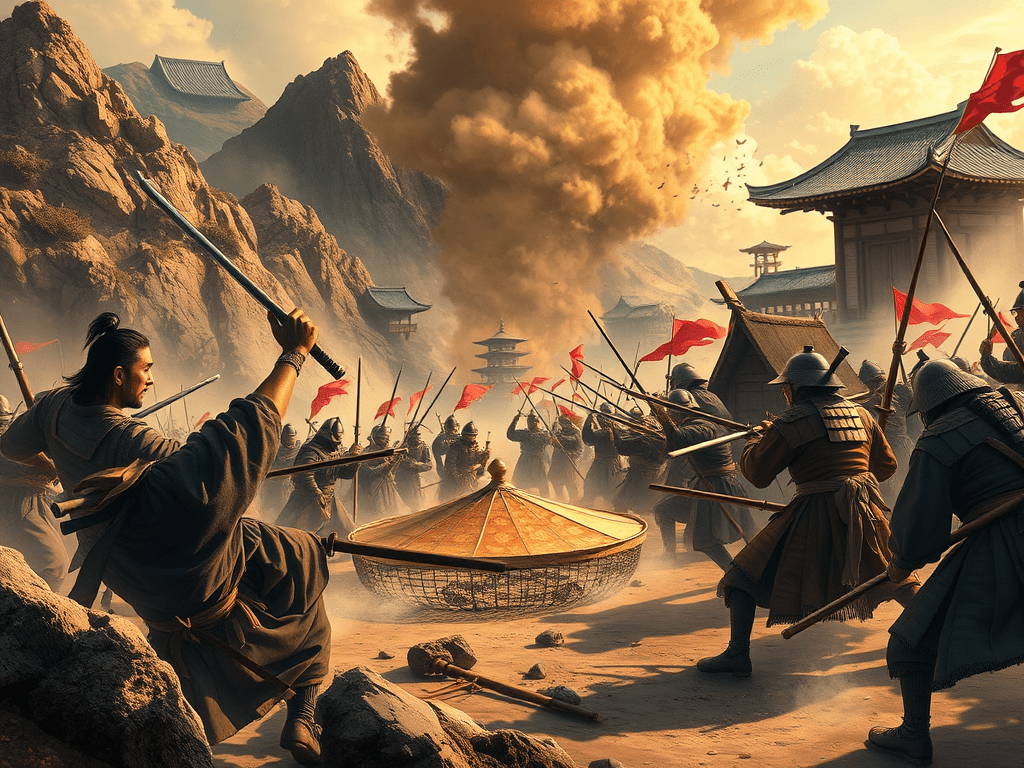
    Iwai Rebellion (磐井の乱) marks a turbulent chapter in Japan’s early history. This uprising, characterized by political dissent and social unrest, challenged the established order and left an indelible mark on the nation’s historical narrative.

    Historical Background

    The origins of the Iwai Rebellion are rooted in the complex dynamics of power and local grievances. During a period when central authority was consolidating power, discontent among local factions and samurai groups grew. Sparked by a combination of economic hardship, regional disputes, and resistance to centralized control, the rebellion underscored the fragility of early Japanese governance.

    Key Events and Figures

    The uprising was marked by fierce confrontations and strategic maneuvers. While historical records provide only fragmented details, it is clear that:

    • Local Leaders: Influential regional figures rallied support against what they saw as oppressive central policies.
    • Military Engagements: Battles during the rebellion were intense, with both sides suffering significant losses.
    • Political Implications: The conflict prompted a reevaluation of administrative strategies and contributed to future reforms in governance.

    Cultural and Political Impact

    The Iwai Rebellion is more than a tale of conflict; it is a reflection of the socio-political challenges that shaped ancient Japan. The uprising influenced subsequent political strategies and highlighted the importance of addressing local grievances within a centralized system. Its legacy endures as a reminder of the dynamic interplay between authority and resistance in Japan’s formative years.

    Legacy of the Iwai Rebellion

    Today, the Iwai Rebellion is studied by historians and showcased in museum exhibits, providing insights into the challenges of state formation in ancient Japan. Its story continues to inspire scholarly debates and serves as a testament to the enduring spirit of resistance and the evolution of Japanese political culture.

    About the Author


    Japanews

    I am a Japanese resident sharing the rich history and vibrant culture of Japan with the world. Along with reporting the latest news, I delve into unique historical topics that highlight Japan’s legacy. Feel free to explore my online store for traditional Japanese ceramics.

    Visit My Shop


  • Yamato Regime: Unveiling the Foundations of Japan’s Ancient Governance

    Yamato Regime: Unveiling the Foundations of Japan’s Ancient Governance

    Yamato Regime: Unveiling the Foundations of Japan’s Ancient Governance

    Introduction to the Yamato Regime

    Yamato Regime (大和政権) refers to the early form of centralized governance that emerged in Japan during the Yamato period. This regime laid the groundwork for the political, social, and cultural development of ancient Japan, establishing a framework that would influence the nation’s future.

    Historical Background

    The Yamato Regime originated in the Kofun period (approximately 250–538 CE), a time marked by the consolidation of power among regional chieftains. Over time, these leaders unified under the Yamato clan, creating a centralized authority that managed diplomacy, military affairs, and religious practices. The development of this regime is seen as a pivotal moment in the formation of the Japanese state.

    Political and Cultural Significance

    The establishment of the Yamato Regime brought about significant transformations in Japanese society:

    • Centralized Authority: The regime introduced systems of governance that promoted unity and stability across diverse regions.
    • Diplomatic Relations: It fostered early interactions with neighboring countries, paving the way for cultural exchanges and the spread of Buddhism and Chinese writing systems.
    • Cultural Integration: The Yamato Regime played a key role in the assimilation of various regional customs, creating a cohesive cultural identity that persists in modern Japan.

    The Legacy of the Yamato Regime

    Today, the influence of the Yamato Regime is evident in Japan’s enduring traditions and political structures. Archaeological sites, ancient tombs, and historical texts provide insights into the era’s sophisticated governance and cultural practices. The legacy of the Yamato period continues to inspire both historical scholarship and national pride, reminding us of the origins of Japan’s unified state.

    About the Author


    Japanews

    I am a Japanese resident sharing the rich history and vibrant culture of Japan with the world. Along with reporting the latest news, I delve into unique historical topics that highlight Japan’s legacy. Feel free to explore my online store for traditional Japanese ceramics.

    Visit My Shop