カテゴリー: 未分類

  • Japan–Song Trade: Bridging Cultures Through Maritime Commerce

    Japan–Song Trade: Bridging Cultures Through Maritime Commerce

    Japan–Song Trade: Bridging Cultures Through Maritime Commerce

    Introduction to Japan–Song Trade

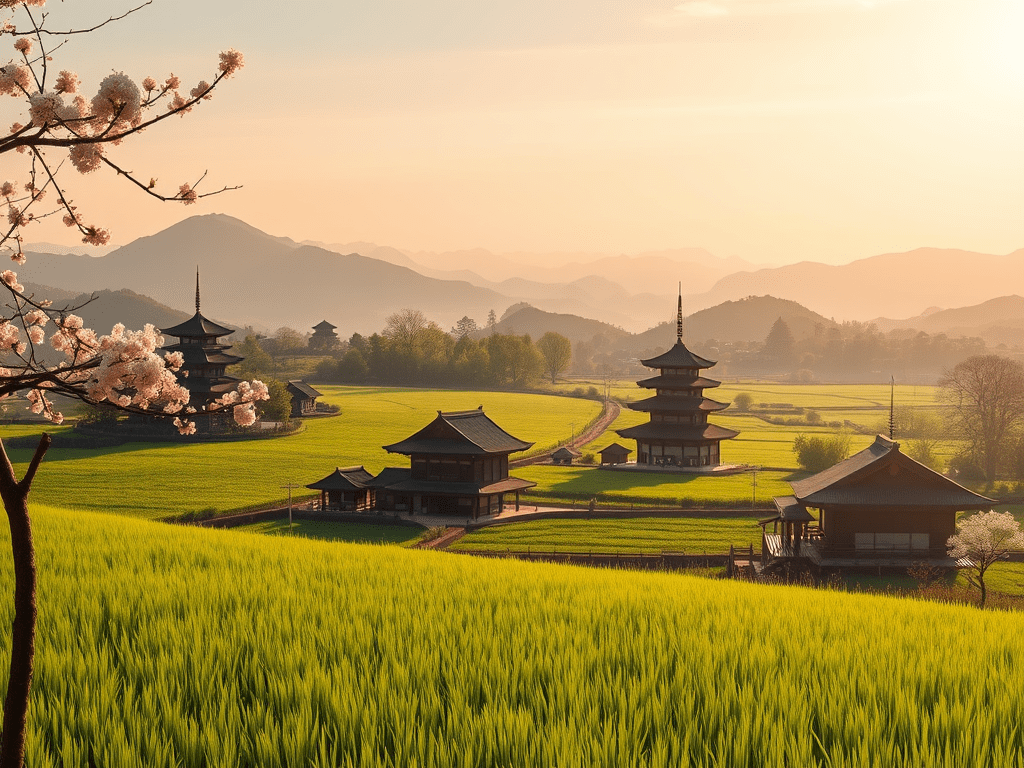
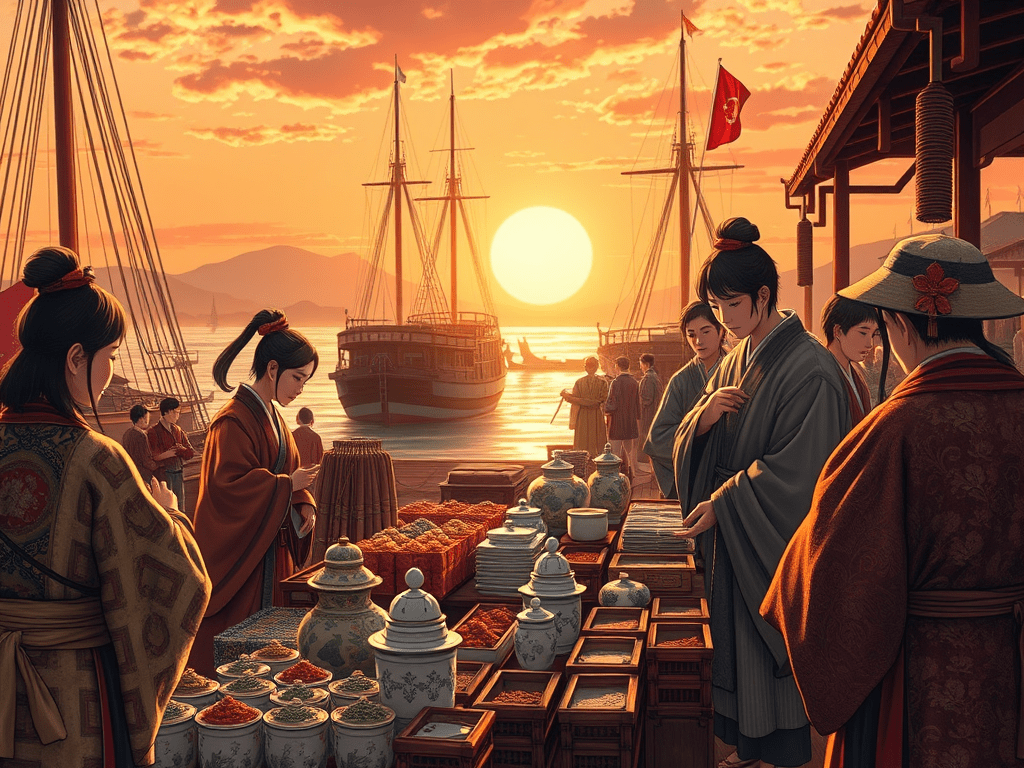
    Japan–Song Trade (日宋貿易) represents a vibrant era of maritime commerce that connected Japan with Song China. This trade not only spurred economic growth but also facilitated significant cultural and technological exchanges, leaving an enduring mark on both civilizations.

    Historical Background

    During the Song Dynasty (960–1279 AD), Japan and China engaged in extensive maritime trade, exchanging goods, ideas, and technologies. Japanese merchants imported luxurious goods, ceramics, and textiles, while Chinese products, art, and knowledge found their way into Japanese society. This period of interaction was instrumental in fostering diplomatic ties and mutual cultural appreciation between the two regions.

    Key Aspects of the Trade

    The Japan–Song trade flourished due to several factors:

    • Maritime Routes: Well-established sea routes facilitated the efficient movement of goods, enabling merchants to navigate the complex networks of East Asian trade.
    • Economic Exchange: The flow of commodities such as ceramics, spices, and textiles helped stimulate local economies, paving the way for innovative commercial practices.
    • Cultural Interactions: Beyond goods, the exchange of artistic styles, religious ideas, and technological innovations enriched both societies, influencing art, literature, and even governance.

    Legacy and Modern Impact

    The impact of Japan–Song trade is evident in the cultural and economic landscapes of modern East Asia. This period of exchange laid the foundation for later diplomatic relations and contributed to a shared cultural heritage that continues to influence art, cuisine, and technology. Scholars and enthusiasts today study this trade network as a crucial chapter in the history of international commerce and cross-cultural dialogue.
    About the Author


    Japanews

    I am a Japanese resident sharing the rich history and vibrant culture of Japan with the world. In addition to reporting the latest news, I explore unique historical topics that highlight Japan’s enduring legacy. Feel free to explore my online store for traditional Japanese ceramics.

    Visit My Shop


  • Kuge Society: The Aristocratic Elite of Japan’s Imperial Court

    Kuge Society: The Aristocratic Elite of Japan’s Imperial Court

    Kuge Society: The Aristocratic Elite of Japan’s Imperial Court

    Introduction to Kuge Society

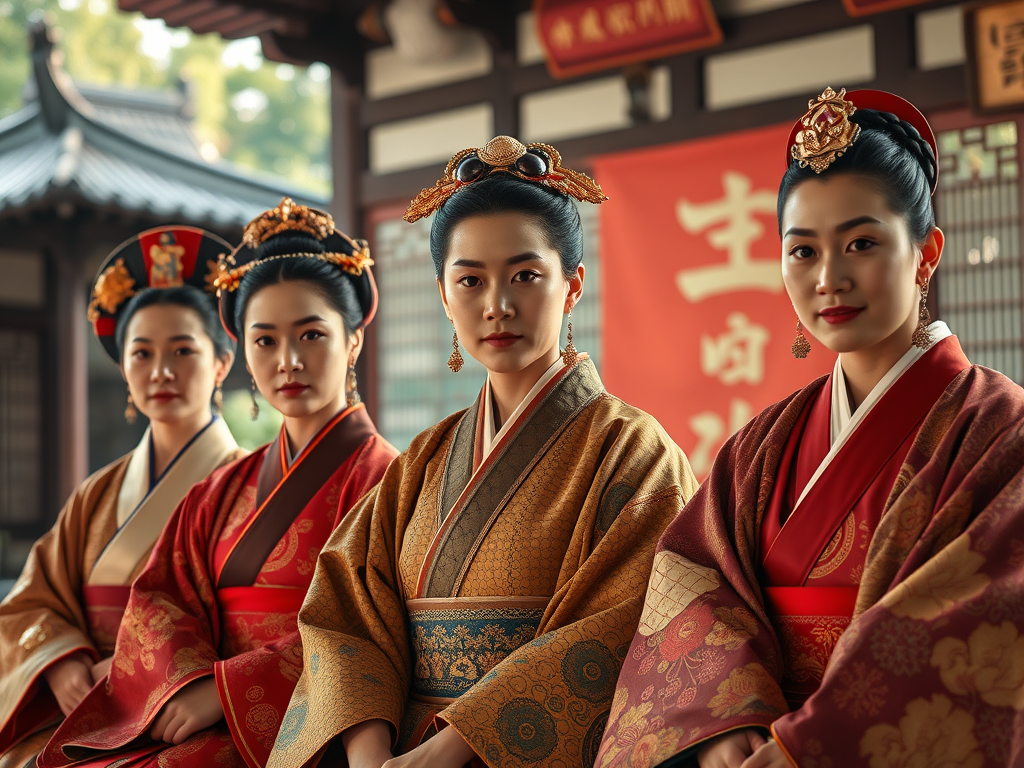
    Kuge (公家) refers to the aristocratic class in Japan that flourished in the imperial court, particularly during the Heian period. This elite group was responsible for cultivating refined culture, arts, and politics, and their influence left a lasting imprint on Japan’s history and social structure.

    Historical Background

    The origins of Kuge Society can be traced back to the early Heian period, when the imperial court became the center of political power and cultural development. Over time, the kuge evolved into a hereditary class, with family lineages that maintained close ties to the emperor. Their status was reinforced through intricate court rituals, strategic marriages, and patronage of the arts, which helped solidify their position within the rigid social hierarchy of ancient Japan.

    Social and Cultural Influence

    Kuge Society was not only a political force but also a key driver of Japan’s cultural evolution:

    • Artistic Patronage: The aristocrats were great patrons of literature, poetry, and visual arts. Their refined tastes influenced the development of classical Japanese aesthetics, as seen in works like the Genji Monogatari and numerous poetic anthologies.
    • Court Etiquette and Rituals: The sophisticated rituals and elaborate codes of conduct practiced by the kuge set standards for behavior and social interaction that resonated throughout Japanese society.
    • Political Thought: Through their involvement in court politics, the kuge helped shape governmental policies and fostered a culture of intellectual discourse and bureaucratic administration.

    Legacy and Modern Relevance

    The influence of Kuge Society extends far beyond the Heian period. Although the power of the aristocracy gradually waned with the rise of military governments, the cultural and artistic achievements of the kuge continue to inspire modern Japanese aesthetics and literature. Their legacy is evident in the ongoing appreciation for traditional arts, as well as in the historical narratives that celebrate the sophistication of Japan’s imperial court.

    About the Author


    Japanews

    I am a Japanese resident sharing the rich history and vibrant culture of Japan with the world. In addition to reporting the latest news, I explore unique historical topics that highlight Japan’s enduring legacy. Feel free to explore my online store for traditional Japanese ceramics.

    Visit My Shop


  • Insei: Cloistered Rule in Japan’s Imperial History

    Insei: Cloistered Rule in Japan’s Imperial History

    Insei: Cloistered Rule in Japan’s Imperial History

    Introduction to Insei

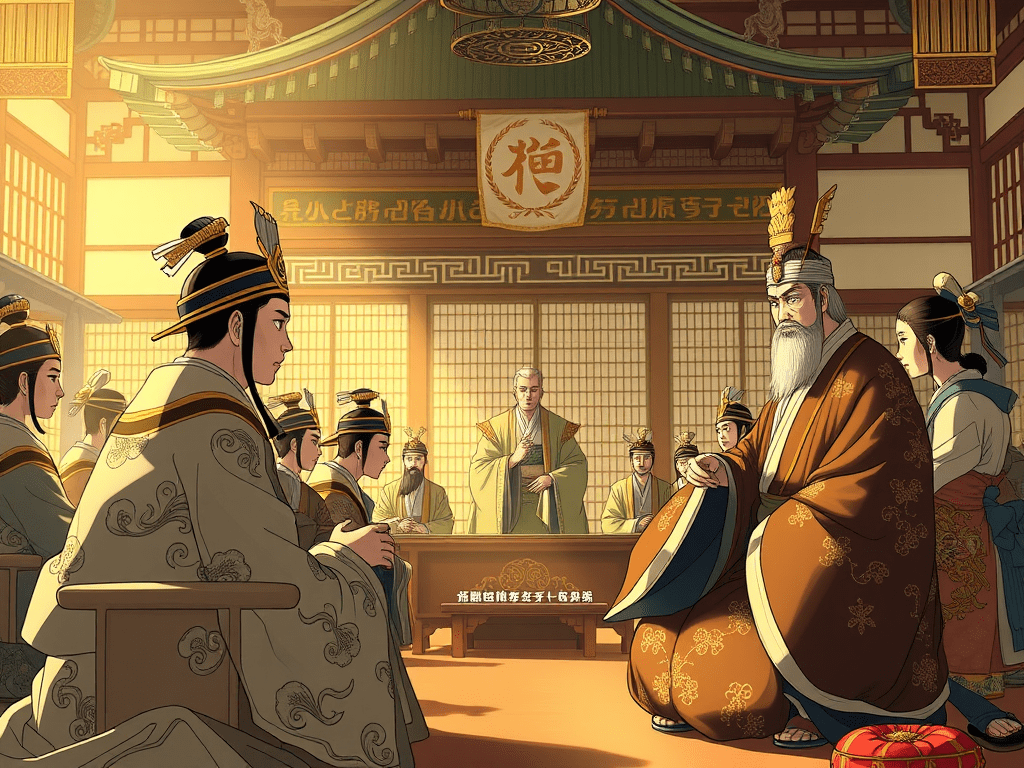
    Insei (院政) refers to a unique system of governance in Japan, known as cloistered rule, where retired emperors, having abdicated the throne, continued to exert significant political power from behind the scenes. This model allowed former sovereigns to shape state affairs while withdrawing from public life, thus ensuring continuity and stability in imperial governance.

    Historical Background

    The Insei system emerged during the Heian period as a response to the challenges of direct imperial rule. By abdicating and entering a monastic-like seclusion, emperors could avoid the pitfalls of court intrigues while still influencing state policies. Notable cloistered emperors used this method to manage succession disputes, enforce reforms, and maintain central authority during periods of political transition.

    Key Features and Governance

    Several characteristics define the Insei system:

    • Dual Authority: While the reigning emperor managed ceremonial duties, the retired emperor (cloistered ruler) exercised real political power, guiding policy decisions from behind the scenes.
    • Stability and Continuity: This arrangement helped prevent power vacuums and maintained continuity during succession transitions, ensuring that experienced leaders remained influential.
    • Influence on Reforms: Cloistered rule was often used to implement administrative and fiscal reforms, contributing to the long-term evolution of the Japanese state.

    Legacy and Impact

    The legacy of Insei is profound, having shaped the very fabric of Japanese imperial politics. By separating the ceremonial role of the emperor from the pragmatic exercise of power, the system allowed for more flexible and sustained governance. The influence of cloistered rule extended well into the medieval period, affecting court culture, succession practices, and the overall stability of the state. Today, Insei is remembered as a testament to the innovative ways in which Japan balanced tradition with the practical demands of statecraft.

    About the Author


    Japanews

    I am a Japanese resident sharing the rich history and vibrant culture of Japan with the world. In addition to reporting the latest news, I delve into unique historical topics that highlight Japan’s enduring legacy. Feel free to explore my online store for traditional Japanese ceramics.

    Visit My Shop


  • Sesshinke: The Regal Family Behind Japan’s Imperial Regency

    Sesshinke: The Regal Family Behind Japan’s Imperial Regency

    Sesshinke: The Regal Family Behind Japan’s Imperial Regency

    Introduction to Sesshinke

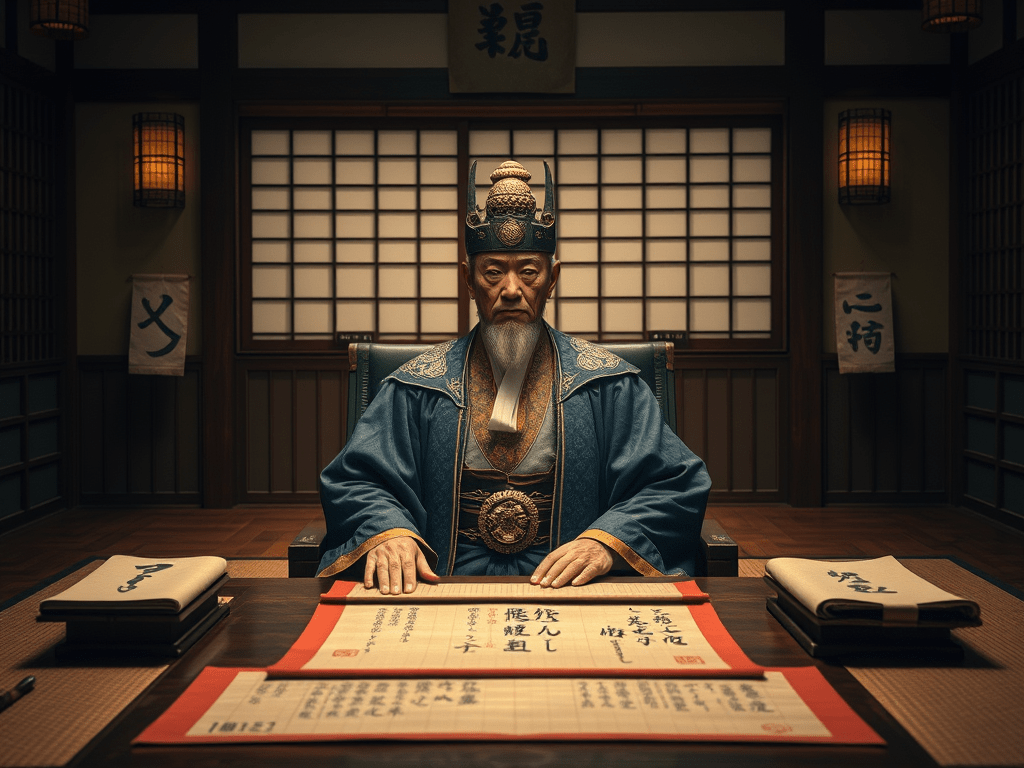
    Sesshinke (摂関家) refers to the powerful regent family that emerged during Japan’s Nara and Heian periods. Predominantly composed of members of the Fujiwara clan, the Sesshinke effectively controlled the imperial court by acting as regents (sesshō and kampaku) on behalf of young or weak emperors.

    Historical Background

    The rise of the Sesshinke was a turning point in Japanese political history. By skillfully marrying their daughters into the imperial family and holding key administrative positions, the Fujiwara regents consolidated power and established a system where the real authority of governance lay in the hands of these regents rather than the emperor.

    Role and Influence

    The Sesshinke played a crucial role in shaping Japan’s governance and culture:

    • Political Control: Acting as regents, they managed state affairs, implemented reforms, and ensured stability during periods when the emperor was too young or otherwise unable to rule effectively.
    • Cultural Patronage: Their support of arts, literature, and Buddhism helped cultivate a refined cultural atmosphere at court, influencing Japanese aesthetics and intellectual life for generations.
    • Administrative Reforms: The Sesshinke introduced and maintained a centralized bureaucratic system that laid the groundwork for modern Japanese governance.

    Legacy and Impact

    The legacy of the Sesshinke is evident in their lasting impact on Japanese politics and culture. Their reign marked an era where regency and imperial power became deeply intertwined, setting precedents for future statecraft. The sophisticated administration and cultural patronage of the Sesshinke continue to be celebrated as a cornerstone of Japan’s historical identity.

    About the Author


    Japanews

    I am a Japanese resident sharing the rich history and vibrant culture of Japan with the world. In addition to reporting the latest news, I delve into unique historical topics that highlight Japan’s enduring legacy. Feel free to explore my online store for traditional Japanese ceramics.

    Visit My Shop


  • Sekkan Politics: The Regency System That Shaped Imperial Japan

    Sekkan Politics: The Regency System That Shaped Imperial Japan

    Sekkan Politics: The Regency System That Shaped Imperial Japan

    Introduction to Sekkan Politics

    Sekkan Politics (摂関政治) refers to the era in Japanese history when the regents, particularly from the powerful Fujiwara clan, held the real power behind the imperial throne. This system allowed these families to govern on behalf of young or incapable emperors, thereby shaping the political landscape of the country for centuries.

    Historical Background

    Emerging during the Nara and Heian periods, Sekkan Politics was characterized by the appointment of regents (sesshō and kampaku) who wielded significant influence over the imperial court. This period saw the rise of the Fujiwara clan, whose members skillfully managed court affairs and implemented policies that maintained centralized control, even when the emperor’s authority was nominal.

    Key Features and Governance

    The regency system under Sekkan Politics was marked by several distinct features:

    • Delegated Authority: Regents governed in the emperor’s name, overseeing administrative, judicial, and fiscal matters, and ensuring that imperial decrees were enforced throughout the state.
    • Political Alliances: The Fujiwara clan solidified their power by forging strategic marriages with the imperial family, further intertwining their influence with the state.
    • Policy Reforms: Under the guidance of regents, significant reforms were implemented that streamlined governance, promoted cultural development, and laid the groundwork for a centralized bureaucracy.

    Legacy and Impact

    Sekkan Politics left a lasting legacy on Japan’s political and cultural development. The regency system not only ensured stable governance during periods of imperial transition but also fostered a rich cultural milieu that influenced art, literature, and legal reforms. The enduring impact of this system is evident in the continued reverence for court traditions and administrative practices in Japan’s historical narrative.

    About the Author


    Japanews

    I am a Japanese resident sharing the rich history and vibrant culture of Japan with the world. In addition to reporting the latest news, I delve into unique historical topics that highlight Japan’s enduring legacy. Feel free to explore my online store for traditional Japanese ceramics.

    Visit My Shop


  • Sesshō: The Guiding Force Behind Japan’s Imperial Governance

    Sesshō: The Guiding Force Behind Japan’s Imperial Governance

    Sesshō: The Guiding Force Behind Japan’s Imperial Governance

    Introduction to Sesshō

    Sesshō (摂政) refers to a regent appointed to govern in the absence or minority of an emperor. In Japan’s imperial history, the regent played a critical role in ensuring the stability and continuity of the state, acting as the central authority during transitional periods. This position underscores the complex balance between direct imperial rule and delegated power in ancient Japan.

    Historical Background

    The concept of a sesshō emerged during the early periods of Japan’s imperial history, particularly when emperors were too young to rule. Over the centuries, regents from powerful families, notably the Fujiwara clan, were entrusted with the responsibility to administer the state. The role was essential for maintaining governmental continuity, implementing reforms, and managing court affairs during periods of political transition.

    Duties and Responsibilities

    A sesshō’s responsibilities were extensive and influential. Key duties included:

    • Administrative Oversight: Managing the day-to-day affairs of the government and ensuring the effective execution of imperial policies.
    • Political Guidance: Advising the emperor and acting as a mediator among court factions, often shaping policy and reform initiatives.
    • Succession Management: Overseeing the smooth transition of power, especially during the emperor’s minority or in times of succession disputes.

    Legacy and Impact

    The legacy of the sesshō is integral to understanding the evolution of Japan’s governance. By bridging the gap between imperial authority and effective administration, regents helped foster a stable and enduring political system. Their contributions not only shaped the course of statecraft in ancient Japan but also laid the groundwork for later reforms that influenced the nation’s development for centuries.

    About the Author


    Japanews

    I am a Japanese resident sharing the rich history and vibrant culture of Japan with the world. In addition to reporting the latest news, I explore unique historical topics that highlight Japan’s enduring legacy. Feel free to explore my online store for traditional Japanese ceramics.

    Visit My Shop


  • Shoen: The Feudal Estates that Shaped Japan’s Medieval Economy html コピーする

    Shoen: The Feudal Estates that Shaped Japan’s Medieval Economy html コピーする

    Shoen: The Feudal Estates that Shaped Japan’s Medieval Economy

    Introduction to Shoen

    Shoen (荘園) were private, tax-exempt estates that emerged during Japan’s Heian period and became the backbone of the medieval economy. These feudal estates were granted to aristocrats, temples, and shrines, allowing them to operate independently from the central government and fostering a unique socio-economic landscape.

    Historical Background

    The system of shoen developed gradually as the imperial court sought to reward loyal service and consolidate power by granting land to trusted nobles and religious institutions. Over time, these estates grew in size and autonomy, leading to the decentralization of state power. The rise of shoen significantly altered the traditional land tenure system and set the stage for the emergence of feudalism in Japan.

    Economic and Social Impact

    Shoen played a pivotal role in shaping both the economy and society of medieval Japan. Their influence included:

    • Economic Autonomy: With tax exemptions and self-governance, shoen became centers of agricultural productivity and local commerce.
    • Decentralization of Power: The increasing autonomy of these estates reduced the central government’s control, leading to the rise of powerful local clans.
    • Social Stratification: The ownership and management of shoen contributed to a rigid class structure, reinforcing the status of the aristocracy and religious elites.

    Legacy and Modern Relevance

    The shoen system had a lasting impact on the political and economic development of Japan. Although the estates gradually declined with the advent of the feudal shogunate system, their legacy is evident in Japan’s historical narrative of land ownership and governance. Today, studies of shoen provide valuable insights into the origins of Japanese feudalism and the transformation of its medieval society.

    About the Author


    Japanews

    I am a Japanese resident sharing the rich history and vibrant culture of Japan with the world. In addition to reporting the latest news, I explore unique historical topics that highlight Japan’s enduring legacy. Feel free to explore my online store for traditional Japanese ceramics.

    Visit My Shop


  • Nagaoka-kyō: The Transitional Capital of Japan’s Early Imperial Era

    Nagaoka-kyō: The Transitional Capital of Japan’s Early Imperial Era

    Nagaoka-kyō: The Transitional Capital of Japan’s Early Imperial Era

    Introduction to Nagaoka-kyō

    Nagaoka-kyō (長岡京) was an important imperial capital in Japan’s history, established during a period of significant transition. Serving as the capital between the Nara and Heian periods, it symbolizes a unique phase in Japan’s state formation and cultural evolution.

    Historical Background

    Founded in the late 8th century, Nagaoka-kyō was established as the new capital by Emperor Kanmu. Although its tenure as the imperial seat was relatively brief compared to other capitals, the city was designed with careful attention to urban planning and reflected contemporary influences from China. Nagaoka-kyō represented a move toward greater administrative centralization and served as a stepping stone to the eventual establishment of Heian-kyō (modern-day Kyoto).

    Urban Planning and Cultural Legacy

    Nagaoka-kyō was laid out in a grid pattern, inspired by Chinese capital models, which signified the efforts of the Japanese state to adopt and adapt foreign administrative practices. The city’s design emphasized order and efficiency, which were key to supporting a centralized government. Although many of its structures have not survived, archaeological findings continue to shed light on its layout and the cultural vibrancy of the period.

    Legacy and Significance

    The legacy of Nagaoka-kyō lies in its role as a transitional capital that bridged two major eras in Japanese history. It laid the administrative and cultural groundwork for the subsequent flourishing of the Heian period, influencing future developments in governance, art, and urban planning. Today, Nagaoka-kyō is remembered as a crucial milestone in Japan’s imperial evolution, offering insights into the dynamic shifts that shaped the nation’s early identity.

    About the Author


    Japanews

    I am a Japanese resident sharing the rich history and vibrant culture of Japan with the world. In addition to reporting the latest news, I explore unique historical topics that highlight Japan’s enduring legacy. Feel free to explore my online store for traditional Japanese ceramics.

    Visit My Shop


  • Shōsōin: The Treasure Repository of Japan’s Imperial Heritage

    Shōsōin: The Treasure Repository of Japan’s Imperial Heritage

    Shōsōin: The Treasure Repository of Japan’s Imperial Heritage

    Introduction to Shōsōin

    Shōsōin (正倉院) is a renowned treasure repository located in Nara, Japan. Established during the Nara period, it was originally built to store the imperial regalia and precious cultural artifacts. Today, it stands as a testament to Japan’s rich historical legacy and serves as an invaluable archive of ancient art, craftsmanship, and religious influence.

    Historical Background

    Shōsōin was constructed in the 8th century under the patronage of Emperor Shōmu. Designed as a secure storage facility for the treasures of the imperial court, the repository reflects the sophisticated administrative and aesthetic standards of the Nara period. Over the centuries, it has safeguarded priceless relics that offer insights into the political, religious, and cultural milieu of early Japan.

    Cultural and Religious Significance

    The treasures housed within Shōsōin include exquisite works of art, religious statues, textiles, and documents. These artifacts illustrate the confluence of indigenous traditions and continental influences, particularly from China and Korea. Shōsōin not only highlights the opulence of the imperial court but also embodies the spiritual and cultural values that were central to Japanese society.

    Legacy and Modern Impact

    Today, Shōsōin is recognized as a UNESCO World Heritage Site, drawing scholars, historians, and tourists from around the globe. Its well-preserved collection provides a unique window into Japan’s formative years, influencing modern interpretations of art, religion, and statecraft. The repository continues to inspire both academic research and public appreciation for Japan’s enduring cultural heritage.

    About the Author


    Japanews

    I am a Japanese resident sharing the rich history and vibrant culture of Japan with the world. In addition to reporting the latest news, I explore unique historical topics that highlight Japan’s enduring legacy. Feel free to explore my online store for traditional Japanese ceramics.

    Visit My Shop


  • Tenpyō Era: A Golden Age of Culture and Governance in Ancient Japan

    Tenpyō Era: A Golden Age of Culture and Governance in Ancient Japan

    Tenpyō Era: A Golden Age of Culture and Governance in Ancient Japan

    Introduction to the Tenpyō Era

    The Tenpyō Era (天平時代) marks one of the most illustrious periods in ancient Japan, characterized by remarkable advancements in culture, governance, and the arts. Occurring during the Nara period, this era laid the foundations for the development of a unified Japanese state and a vibrant cultural identity.

    Historical Background

    The Tenpyō Era, which spans from 729 to 749 AD, was a time of intense political reform and cultural exchange. During this period, Japan embraced sophisticated administrative systems influenced by Chinese models, leading to enhanced centralization and state organization. The era also witnessed the flourishing of Buddhism, which played a crucial role in both governance and everyday life.

    Cultural and Artistic Flourishing

    One of the hallmarks of the Tenpyō Era is its profound cultural and artistic achievements. Key highlights include:

    • Literary Developments: Poets and scholars produced works that continue to influence Japanese literature, blending indigenous traditions with continental influences.
    • Art and Architecture: The period saw the construction of magnificent temples and public buildings that remain as testimonies to the era’s artistic sophistication.
    • Religious Integration: Buddhism, along with its accompanying art and ritual, permeated all levels of society, reinforcing moral values and contributing to the cultural tapestry of Japan.

    Political Reforms and Governance

    The Tenpyō Era was also notable for its significant political reforms. The adoption of Chinese-style administrative structures helped centralize power and improve governance. These reforms contributed to stability and laid the groundwork for the modern Japanese state, influencing subsequent eras with innovations in law, taxation, and public administration.

    Legacy and Modern Impact

    The achievements of the Tenpyō Era continue to resonate in modern Japan. Its legacy is reflected in the enduring influence of Nara-period art, architecture, and governance, as well as in the ongoing celebration of Japan’s rich cultural heritage. Scholars and cultural enthusiasts alike study this era to gain insights into the early development of Japan’s national identity and statecraft.

    About the Author


    Japanews

    I am a Japanese resident sharing the rich history and vibrant culture of Japan with the world. In addition to reporting the latest news, I delve into unique historical topics that highlight Japan’s enduring legacy. Feel free to explore my online store for traditional Japanese ceramics.

    Visit My Shop