カテゴリー: 未分類

  • Bronze Spear: Discovering the Power and Cultural Impact of Japan’s Ancient Weaponry

    Bronze Spear: Discovering the Power and Cultural Impact of Japan’s Ancient Weaponry

    Bronze Spear: Discovering the Power and Cultural Impact of Japan’s Ancient Weaponry

    Introduction to the Bronze Spear

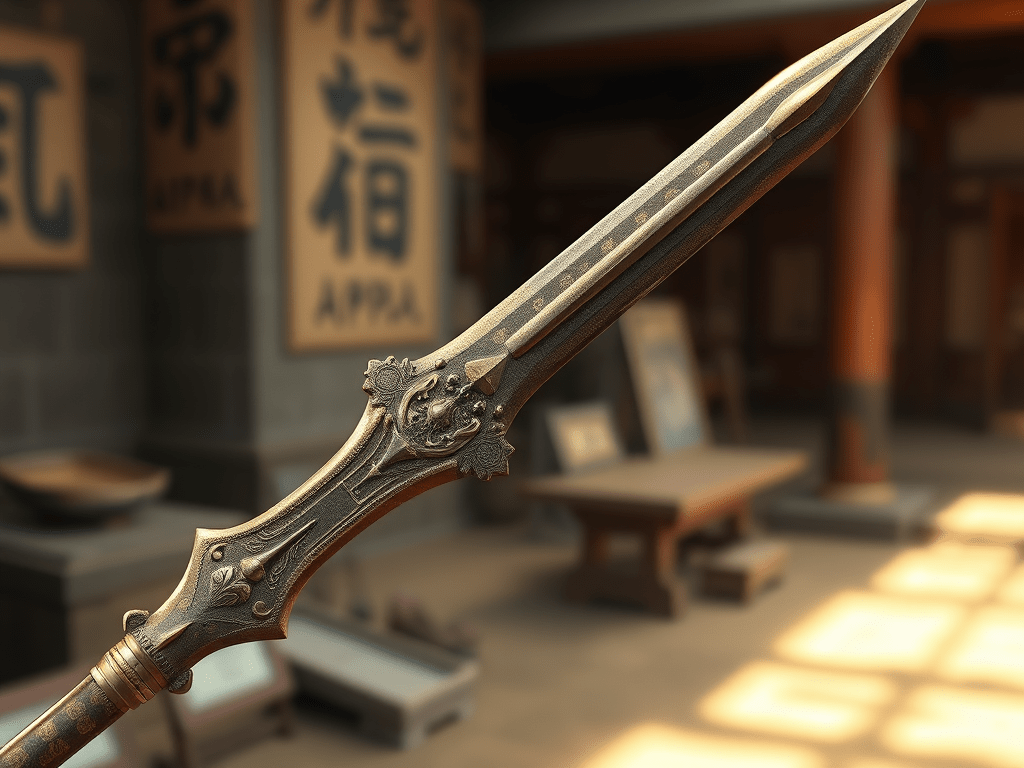
    Bronze Spear (銅矛) is a striking example of ancient Japanese weaponry. As one of the early metal weapons used in combat, it played a crucial role in battles and ceremonial practices. Its design not only emphasizes functionality in warfare but also reflects the artistic craftsmanship of its era.

    Historical Background

    The Bronze Spear emerged during a time when Japan was transitioning from stone to metal technology. Its introduction marked significant advancements in metallurgy and warfare strategies. Used by early warriors, the spear was both a tool for battle and a symbol of power and prestige within the community.

    Craftsmanship and Characteristics

    The creation of a Bronze Spear required exceptional skill. Key aspects of its craftsmanship include:

    • Metalworking Techniques: Advanced casting and alloying methods were used to form a durable and balanced spearhead.
    • Design Aesthetics: The spear often featured intricate designs that conveyed both strength and elegance, highlighting the artisan’s expertise.
    • Practical Utility: Engineered for both thrusting and throwing, the spear was an effective weapon in the hands of a skilled warrior.

    Cultural and Military Significance

    Beyond its functional role in combat, the Bronze Spear held considerable cultural importance. It was frequently used in rituals and ceremonies, symbolizing authority and the warrior spirit. The spear’s presence in archaeological sites provides invaluable insights into the social structure and martial traditions of ancient Japan.

    The Legacy of the Bronze Spear

    Today, the legacy of the Bronze Spear endures through archaeological research and museum exhibits. These ancient weapons continue to inspire modern interpretations of Japanese martial arts and cultural heritage. The spear remains a powerful reminder of Japan’s innovative spirit and historical prowess in warfare.


    About the Author


    Japanews

    I am a Japanese resident sharing the rich history and vibrant culture of Japan with the world. Along with reporting the latest news, I delve into unique historical topics that highlight Japan’s legacy. Feel free to explore my online store for traditional Japanese ceramics.

    Visit My Shop


  • Iron Blade: Unraveling the History and Artistry of Japan’s Ancient Iron Sword

    Iron Blade: Unraveling the History and Artistry of Japan’s Ancient Iron Sword

    Iron Blade: Unraveling the History and Artistry of Japan’s Ancient Iron Sword

    Introduction to the Iron Blade

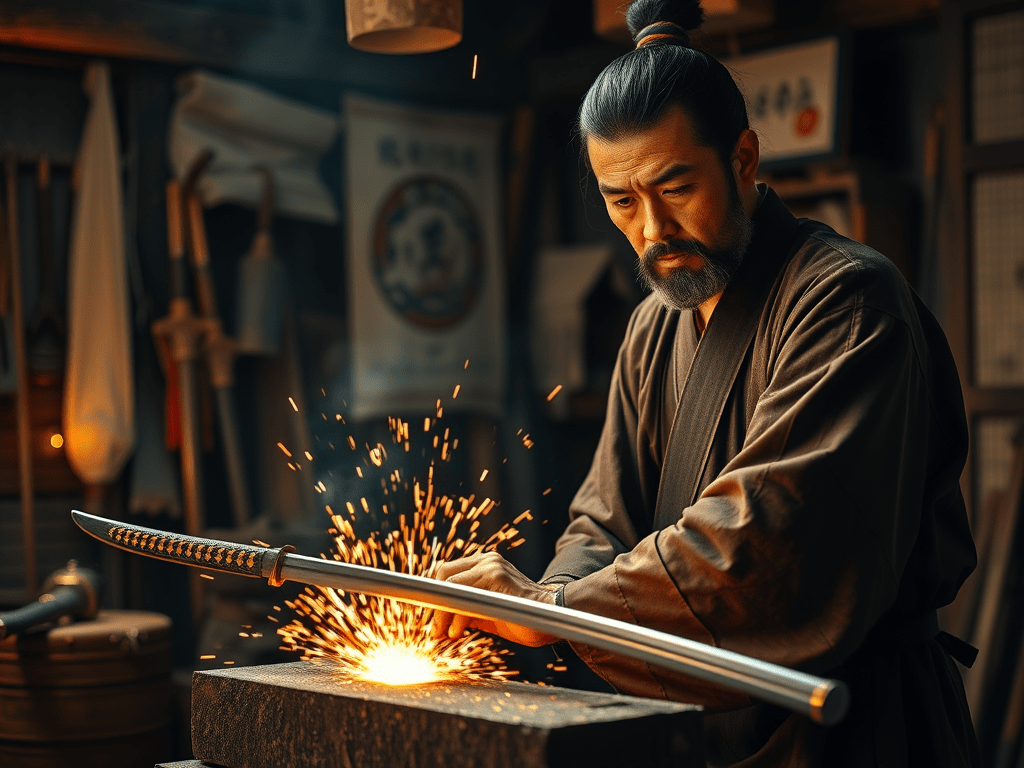
    Iron Blade (鉄刀) represents an important chapter in Japan’s long history of weaponry. This ancient iron sword showcases the early innovations in metalworking and embodies the martial spirit and cultural pride of its era. Its design and utility provide a glimpse into the evolution of Japanese combat techniques and craftsmanship.

    Historical Background

    The development of the iron blade in Japan coincided with significant advances in metallurgy and warfare. During periods when iron gradually replaced bronze in weapon production, the iron blade emerged as a formidable tool in battle. Its introduction not only revolutionized combat strategies but also influenced the symbolic and ceremonial aspects of Japanese society.

    Craftsmanship and Characteristics

    Creating an iron blade required exceptional skill and innovative techniques. Key features include:

    • Advanced Metalworking: The forging process involved precise heating and hammering to achieve a durable, sharp edge.
    • Elegant Design: Despite its functional purpose, the iron blade was often decorated with subtle motifs, reflecting the artistic sensibilities of the era.
    • Balance and Efficiency: Its well-proportioned design ensured that the blade was both effective in combat and comfortable to wield.

    Cultural and Military Significance

    The iron blade was more than a weapon; it became a symbol of honor and strength. Warriors who wielded these blades were often revered for their bravery and skill. In addition to its practical use in battle, the iron blade featured in rituals and ceremonies, signifying the deep connection between martial prowess and cultural identity in ancient Japan.

    Legacy and Modern Appreciation

    Today, the legacy of Japan’s ancient iron blade endures in museums and historical exhibitions. Collectors and historians alike study these artifacts to gain insight into the technological and cultural advancements of early Japanese society. The iron blade continues to inspire modern interpretations in both art and martial disciplines, symbolizing the timeless spirit of Japan’s warrior culture.

    About the Author


    Japanews

    I am a Japanese resident sharing the rich history and vibrant culture of Japan with the world. Along with reporting the latest news, I delve into unique historical topics that highlight Japan’s legacy. Feel free to explore my online store for traditional Japanese ceramics.

    Visit My Shop


  • Bronze Sword: Unveiling the Power and Heritage of Japan’s Ancient Weaponry

    Bronze Sword: Unveiling the Power and Heritage of Japan’s Ancient Weaponry

    Bronze Sword: Unveiling the Power and Heritage of Japan’s Ancient Weaponry

    Introduction to Bronze Swords

    Bronze Swords (銅剣) played a crucial role in Japan’s early military history. Crafted during a time when metal technology was evolving, these swords not only served as effective weapons but also symbolized power, prestige, and the artistry of their makers.

    Historical Background

    The advent of bronze metallurgy marked a significant turning point in ancient Japan. Bronze Swords emerged as part of the broader shift from stone tools to metal weaponry. They were widely used in battle and ceremonial contexts, reflecting the socio-political and technological advancements of their time.

    Craftsmanship and Characteristics

    Bronze Swords are renowned for their unique blend of functionality and artistic expression. Notable features include:

    • Material Innovation: Made from bronze, these swords showcased early advancements in metalworking techniques.
    • Design Elements: The swords often featured elegant lines and decorative motifs, emphasizing both beauty and balance.
    • Durability in Battle: Although not as resilient as later iron weapons, bronze swords were effective in close combat and ceremonial displays.

    Cultural and Military Significance

    In ancient Japan, Bronze Swords were much more than mere tools of war. They were symbols of authority and valor, often bestowed upon elite warriors. Their presence in rituals and burials underscores their cultural importance, bridging the realms of warfare, spirituality, and art.

    The Legacy of Bronze Swords

    Today, Bronze Swords continue to fascinate historians and collectors alike. Exhibitions and archaeological studies shed light on their design, usage, and the technological strides made by early Japanese civilizations. The enduring allure of these ancient weapons reflects the rich tapestry of Japan’s cultural and martial history.

    About the Author


    Japanews

    I am a Japanese resident sharing the rich history and vibrant culture of Japan with the world. Along with reporting the latest news, I delve into unique historical topics that highlight Japan’s legacy. Feel free to explore my online store for traditional Japanese ceramics.

    Visit My Shop


  • Iron Sword: Forging the Legacy of Japan’s Ancient Bladed Artistry

    Iron Sword: Forging the Legacy of Japan’s Ancient Bladed Artistry

    Iron Sword: Forging the Legacy of Japan’s Ancient Bladed Artistry

    Introduction to Japan’s Iron Swords

    Iron Swords (鉄剣) have been an integral part of Japanese history and warfare. Renowned for their durability and lethal precision, these blades not only served as essential tools in battle but also became symbols of honor and craftsmanship in ancient Japan.

    Historical Background

    Iron swords began to appear in Japan as metallurgical techniques advanced. Over time, these weapons evolved from simple implements into sophisticated tools of combat. The transition from bronze to iron marked a significant technological leap, influencing both military tactics and the cultural narrative of the era.

    Craftsmanship and Characteristics

    The creation of an iron sword was an art form that required expertise and precision. Key aspects include:

    • Advanced Metallurgy: Blacksmiths developed techniques to forge strong, resilient blades from iron, ensuring they could withstand the rigors of battle.
    • Design and Aesthetics: Beyond functionality, the design of the sword reflected the status and honor of its wielder, often featuring intricate details and symbolic motifs.
    • Balance and Precision: The weight distribution and sharpness of the blade were carefully honed, making these swords formidable in close combat.

    Cultural and Military Significance

    Iron swords held immense cultural value in Japan. They were not only weapons but also symbols of a warrior’s spirit and social status. The reverence for these blades is evident in historical texts, art, and ritual practices, where the sword often represented the soul of a warrior and the honor of a clan.

    The Legacy of Japan’s Iron Swords

    Today, Japan’s ancient iron swords continue to be celebrated for their historical importance and exquisite craftsmanship. They are showcased in museums and exhibitions, preserving the legacy of a bygone era. Modern collectors and historians study these artifacts to gain insight into the evolution of Japanese warfare and the enduring cultural impact of these remarkable weapons.

    About the Author


    Japanews

    I am a Japanese resident sharing the rich history and vibrant culture of Japan with the world. Along with reporting the latest news, I delve into unique historical topics that highlight Japan’s legacy. Feel free to explore my online store for traditional Japanese ceramics.

    Visit My Shop


  • Toro Site: Discovering the Heart of Japan’s Ancient Yayoi Village

    Toro Site: Discovering the Heart of Japan’s Ancient Yayoi Village

    Toro Site: Discovering the Heart of Japan’s Ancient Yayoi Village

    Introduction to the Toro Site

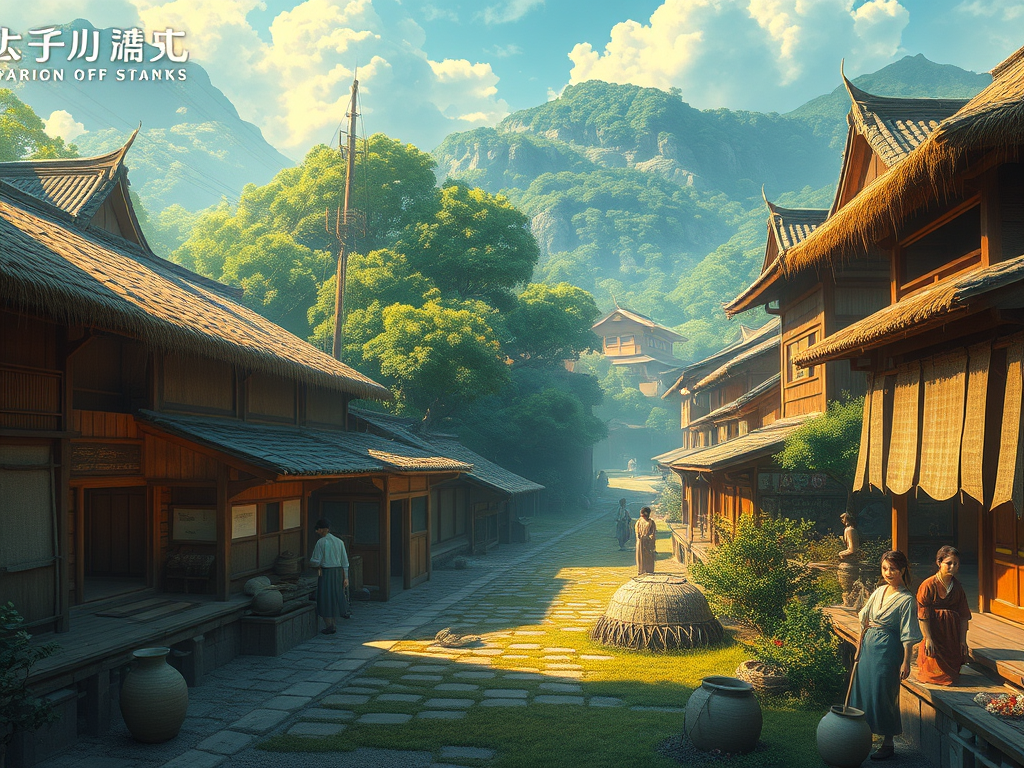
    The Toro Site (登呂遺跡) is an exceptional archaeological treasure from Japan’s Yayoi period. This site, renowned for its remarkable preservation, provides a vivid glimpse into the daily life and community organization of early Japanese agricultural societies.

    Historical Background

    Dating back to the Yayoi period (approximately 300 BCE to 300 CE), the Toro Site represents a pivotal era in Japanese history. It was during this period that rice cultivation and settled village life began to take shape. The site’s layout and artifacts, including pottery and tools, highlight the transition from a nomadic lifestyle to an agrarian society.

    Archaeological Significance

    The Toro Site is celebrated for its contribution to our understanding of early Japanese civilization. Key aspects include:

    • Well-Preserved Structures: The remnants of dwellings and communal spaces offer rare insights into the architectural styles and living conditions of the period.
    • Artifacts and Tools: Excavated items such as pottery, bronze implements, and everyday utensils shed light on the technological innovations and daily practices of the Yayoi people.
    • Social Organization: The layout of the settlement suggests a well-organized community with designated areas for various activities, reflecting early forms of social stratification and collaboration.

    Cultural and Modern Impact

    The significance of the Toro Site extends beyond its archaeological value. Today, it serves as a cultural landmark that connects modern Japan to its ancient roots. The site is frequently featured in exhibitions and academic studies, inspiring both scholars and visitors to appreciate the rich heritage of Japan’s early agricultural society.

    About the Author


    Japanews

    I am a Japanese resident sharing the rich history and vibrant culture of Japan with the world. Along with reporting the latest news, I delve into unique historical topics that highlight Japan’s legacy. Feel free to explore my online store for traditional Japanese ceramics.

    Visit My Shop


  • Yoshinogari Site: Uncovering the Secrets of Japan’s Ancient Yayoi Settlement

    Yoshinogari Site: Uncovering the Secrets of Japan’s Ancient Yayoi Settlement

    Yoshinogari Site: Uncovering the Secrets of Japan’s Ancient Yayoi Settlement

    Introduction to the Yoshinogari Site

    The Yoshinogari Site (吉野ケ里遺跡) is one of Japan’s most fascinating archaeological discoveries. Dating back to the Yayoi period, this site provides invaluable insights into the early agricultural society that laid the foundation for modern Japan. Its extensive ruins reveal the complexities of social organization, trade, and daily life in ancient times.

    Historical Background

    The Yoshinogari Site flourished during the Yayoi period, approximately between 300 BCE and 300 CE. It was a thriving settlement where rice cultivation and advanced community planning were central to daily life. The site’s remains, including dwellings, storage facilities, and ritual spaces, illustrate the gradual shift from hunter-gatherer lifestyles to a settled, agrarian society.

    Archaeological Significance

    Archaeologists consider the Yoshinogari Site a key to understanding the Yayoi period for several reasons:

    • Urban Planning: The layout of the settlement reveals sophisticated planning and communal living arrangements.
    • Technological Innovations: Artifacts found at the site, including pottery and tools, highlight early technological advancements in Japan.
    • Cultural Insights: Ritual objects and burial sites provide evidence of the spiritual and social practices that shaped early Japanese society.

    Cultural and Modern Impact

    The discovery of the Yoshinogari Site has not only enriched academic research but also inspired modern cultural heritage projects. It has become a symbol of Japan’s enduring connection to its ancient past, attracting scholars and visitors alike. Today, reconstructed areas and museum exhibits allow the public to experience a glimpse of life during the Yayoi period.

    About the Author


    Japanews

    I am a Japanese resident sharing the rich history and vibrant culture of Japan with the world. Along with reporting the latest news, I delve into unique historical topics that highlight Japan’s legacy. Feel free to explore my online store for traditional Japanese ceramics.

    Visit My Shop


  • Bronze Vessels: Exploring the Legacy of Japan’s Ancient Metalwork

    Bronze Vessels: Exploring the Legacy of Japan’s Ancient Metalwork

    Bronze Vessels: Exploring the Legacy of Japan’s Ancient Metalwork

    Introduction to Bronze Vessels

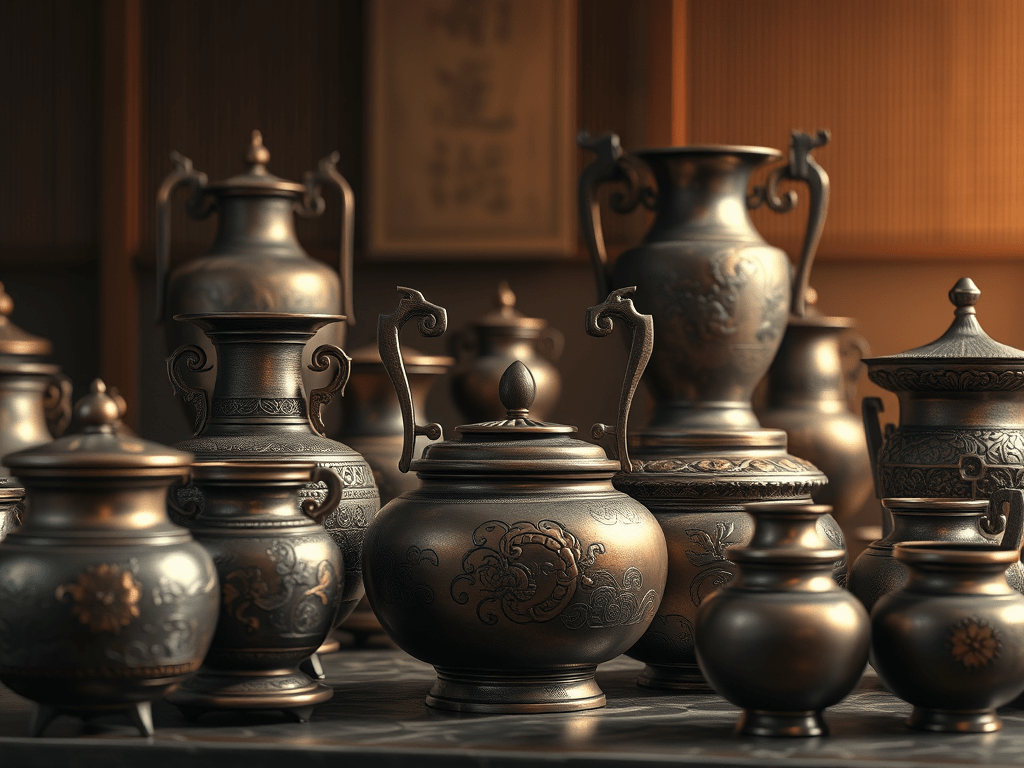
    Bronze Vessels (青銅器) are remarkable artifacts that showcase the advanced metalworking techniques of ancient Japan. These bronze objects, ranging from ritual vessels to tools and ornaments, played a significant role in the social and ceremonial life of early Japanese societies.

    Historical Background

    Bronze technology was introduced to Japan during a transformative period when the country was transitioning from a primarily stone-based culture to one that embraced metal. The use of bronze became prominent during the Yayoi period and continued to evolve into the Kofun period, influencing various aspects of daily life and ritual practices.

    Characteristics of Japanese Bronze Vessels

    Japanese bronze vessels are celebrated for their distinctive craftsmanship and design elements:

    • Artistic Design: Many bronze vessels feature intricate patterns and motifs that reflect the artistic sensibilities of the time.
    • Functional and Ceremonial Uses: These artifacts were used in both everyday life and important rituals, symbolizing power, wealth, and spiritual beliefs.
    • Advanced Metallurgy: The techniques employed in casting and alloying bronze reveal a high level of technological sophistication for the period.

    Cultural Significance

    Bronze vessels hold immense cultural value. They are not only indicators of technological progress but also serve as a window into the religious and social practices of ancient Japan. These artifacts were often associated with ceremonies, ancestral worship, and the assertion of social status, marking them as essential components of the cultural fabric of their time.

    Legacy and Modern Appreciation

    Today, bronze vessels continue to be highly regarded in archaeological research and museum collections. Their enduring legacy is celebrated in exhibitions and academic studies, providing valuable insights into the evolution of Japanese art, technology, and societal structures. Modern interpretations of these artifacts inspire contemporary artists and historians alike.

    About the Author


    Japanews

    I am a Japanese resident sharing the rich history and vibrant culture of Japan with the world. Along with reporting the latest news, I delve into unique historical topics that highlight Japan’s legacy. Feel free to explore my online store for traditional Japanese ceramics.

    Visit My Shop


  • Yayoi Pottery: Unveiling the Origins and Significance of Japan’s Transformative Ceramics

    Yayoi Pottery: Unveiling the Origins and Significance of Japan’s Transformative Ceramics

    Yayoi Pottery: Unveiling the Origins and Significance of Japan’s Transformative Ceramics

    Introduction to Yayoi Pottery

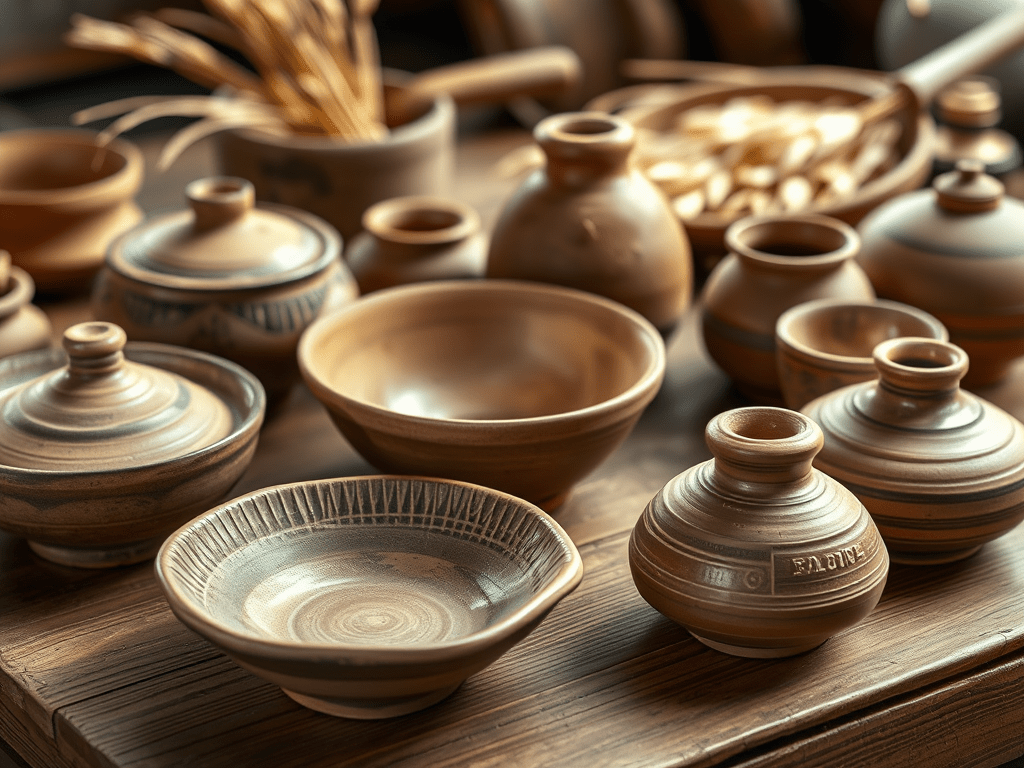
    Yayoi Pottery (弥生土器) represents a monumental shift in Japanese history. Emerging during the Yayoi period, this type of pottery marks the transition from the hunter-gatherer lifestyle of the Jomon period to a settled, agrarian society. Its simplicity and functionality not only highlight early innovations in ceramics but also offer a window into the cultural evolution of ancient Japan.

    Historical Background

    The Yayoi period, spanning approximately from 300 BCE to 300 CE, was a time of profound transformation. With the advent of rice agriculture, communities across Japan began to adopt new techniques in farming and pottery production. Yayoi Pottery served a practical role in daily life—used for storage, cooking, and ritual purposes—while also symbolizing the emergence of a more complex social structure.

    Characteristics of Yayoi Pottery

    Yayoi Pottery is known for its distinct features that set it apart from its Jomon predecessors:

    • Simplicity and Utility: Designed primarily for everyday use, these ceramics feature streamlined shapes that emphasize functionality over elaborate decoration.
    • Material and Technique: Crafted from locally sourced clay and fired at low temperatures, the pottery was both durable and efficient in its production process.
    • Evolution in Form: As the Yayoi culture advanced, variations in design emerged, reflecting both regional influences and evolving aesthetic preferences.

    Cultural Significance

    Beyond their practical applications, Yayoi Pottery artifacts provide invaluable insights into the cultural and technological shifts of early Japanese society. The widespread use of these ceramics is closely tied to the spread of rice cultivation and the development of communal life. Today, these artifacts continue to be a focal point for archaeological research, deepening our understanding of Japan’s formative years.

    Legacy and Modern Appreciation

    Modern exhibitions and archaeological sites across Japan showcase Yayoi Pottery, preserving the legacy of these early ceramic innovations. They serve not only as historical relics but also as symbols of Japan’s enduring spirit of innovation and adaptation. The influence of Yayoi Pottery is evident in contemporary Japanese art and design, linking the past with the present.

    About the Author


    Japanews

    I am a Japanese resident sharing the rich history and vibrant culture of Japan with the world. Along with reporting the latest news, I delve into unique historical topics that highlight Japan’s legacy. Feel free to explore my online store for traditional Japanese ceramics.

    Visit My Shop


  • Water-based Rice Cultivation: The Backbone of Japanese Agriculture

    Water-based Rice Cultivation: The Backbone of Japanese Agriculture

    What Is Water-based Rice Cultivation?

    Water-based rice cultivation (水稲耕作) is the traditional method of growing rice in flooded fields, known as paddies. This agricultural practice has been integral to Japan’s development, providing sustenance and shaping both its landscape and culture.

    Historical Background

    Rice cultivation has deep roots in Japanese history. As early inhabitants discovered how to harness the abundant water resources, they developed sophisticated irrigation systems. Over the centuries, these techniques evolved, enabling communities to thrive and establish a stable food supply.

    Techniques and Innovations

    The success of water-based rice cultivation is attributed to several innovative practices:

    • Irrigation Systems: Complex networks of canals and water control structures ensured that rice paddies remained adequately flooded.
    • Field Preparation: Farmers meticulously leveled their fields and built bunds to retain water and create optimal growing conditions.
    • Seasonal Coordination: The cultivation process was closely aligned with the seasonal rains, maximizing rice yield.
    • Community Collaboration: Local communities often worked together to maintain irrigation channels and share valuable farming techniques.

    Cultural and Economic Impact

    Water-based rice cultivation is more than an agricultural practice—it is a cultural cornerstone. Annual festivals celebrating rice planting and harvest highlight the deep connection between the people, nature, and tradition. Economically, rice has been pivotal in supporting rural communities and driving regional trade.

    The Legacy of Water-based Rice Cultivation

    Modern advancements in agriculture have supplemented traditional methods, yet the legacy of water-based rice cultivation remains evident. Many regions continue to honor these time-honored practices, underscoring the enduring influence of rice farming on Japan’s cultural and economic fabric.

    About the Author


    Japanews

    I am a Japanese resident living in Japan. I share the latest news from Japan and unique aspects of Japanese culture with the world. Additionally, I run an online store for Japanese ceramics, so if you’re interested, please take a look.


  • Takayuka-Style Storehouses: The Elevated Granaries of Ancient Japan

    Takayuka-Style Storehouses: The Elevated Granaries of Ancient Japan

    Takayuka-Style Storehouses: The Elevated Granaries of Ancient Japan

    What Are Takayuka-Style Storehouses?

    Takayuka-style storehouses (高床式倉庫) are elevated granaries built on wooden stilts. These structures were commonly used in ancient Japan, particularly during the Yayoi period (300 BCE – 300 CE) and the Kofun period (250 CE – 538 CE), to store rice and other grains.

    Why Were Takayuka-Style Storehouses Elevated?

    The key purpose of elevating these storehouses was to protect stored food from natural threats, such as:

    • Rodents and insects – The raised structure made it difficult for pests to reach the grain.
    • Moisture – Elevation prevented water damage and mold growth, especially in Japan’s humid climate.
    • Flooding – In areas prone to heavy rainfall, raised storehouses ensured food remained dry.

    The Structure of Takayuka-Style Storehouses

    These granaries were typically constructed using:

    • Thick wooden pillars – To support the structure and keep it stable.
    • Thatched or wooden roofs – To provide protection from rain.
    • Ventilation gaps – To keep air circulating and prevent mold.
    • Ladders or removable stairs – To allow easy access while keeping out animals.

    Historical Sites Featuring Takayuka-Style Storehouses

    • Yoshinogari Site (吉野ヶ里遺跡) – A major Yayoi-period settlement in Saga Prefecture with reconstructed elevated storehouses.
    • Toro Site (登呂遺跡) – A well-preserved Yayoi village in Shizuoka Prefecture featuring traditional granary designs.
    • Izumo Taisha Shrine (出雲大社) – While not a granary, its raised architectural style is believed to have been influenced by Takayuka-style buildings.

    The Legacy of Takayuka-Style Storehouses

    Although modern storage methods have replaced traditional granaries, Takayuka-style structures are still seen in historical parks and reconstructed villages. Their design also influenced later Japanese architecture, particularly in shrine and temple construction.

    About the Author


    Japanews

    I am a Japanese resident living in Japan. I share the latest news from Japan and unique aspects of Japanese culture with the world. Additionally, I run an online store for Japanese ceramics, so if you’re interested, please take a look.