
Yamatai Kingdom: The Lost Kingdom of Ancient Japan
What Was the Yamatai Kingdom?
The Yamatai Kingdom (邪馬台国) was an ancient state in Japan that existed during the late 2nd to early 3rd century CE. It is best known as the realm ruled by Queen Himiko (卑弥呼), a shaman queen who maintained diplomatic relations with China.
Yamatai in Historical Records
The main source of information about Yamatai comes from the Chinese chronicle Wei Zhi (魏志), part of the Records of the Three Kingdoms (三国志). It describes Yamatai as a powerful kingdom that sent tribute to the Chinese Wei dynasty and was ruled by Himiko through spiritual authority.
Theories on the Location of Yamatai
The location of Yamatai remains one of Japan’s greatest archaeological mysteries. There are two main theories:
- Kyushu Theory (九州説) – Suggests that Yamatai was located in northern Kyushu, supported by the proximity to China and Korea.
- Kinki Theory (近畿説) – Places Yamatai in the Nara region, linking it to the later Yamato Kingdom, which became the foundation of Japan’s imperial lineage.
Political and Cultural Influence of Yamatai
Yamatai played a crucial role in early Japanese state formation. Under Himiko’s rule, it is believed to have:
- Maintained a strong spiritual leadership, with Himiko acting as a shaman-queen.
- Engaged in diplomatic relations with China, securing recognition and trade benefits.
- Possibly laid the foundation for the rise of the Yamato state, which later unified Japan.
Archaeological Evidence of Yamatai
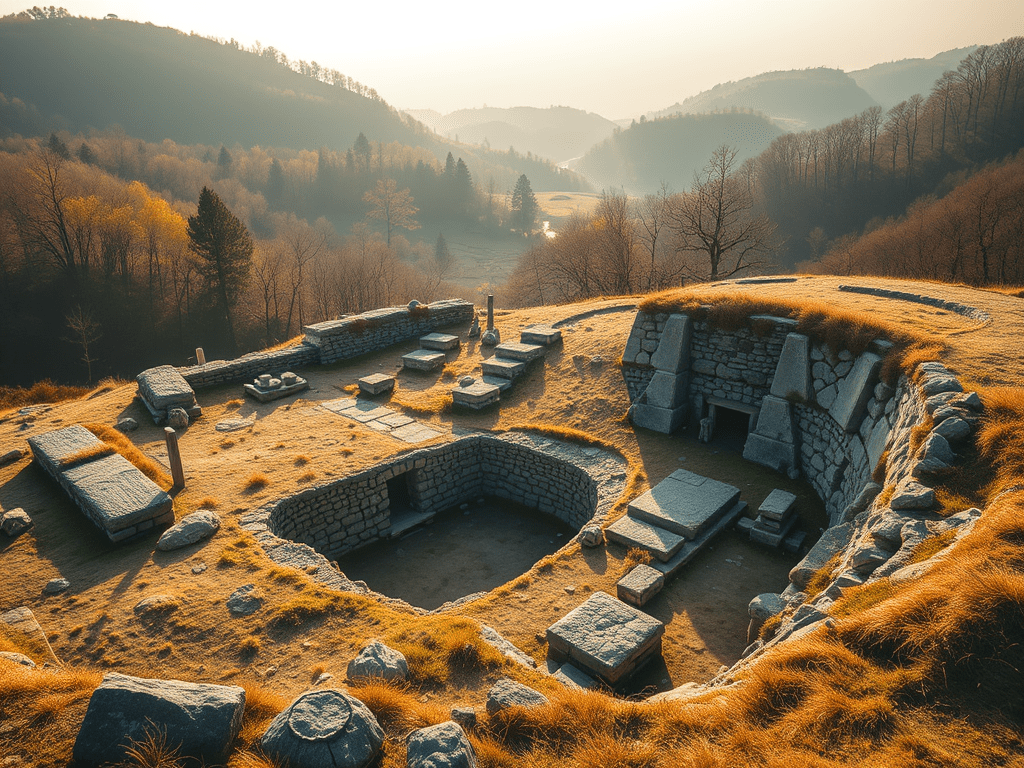
While no definitive proof of Yamatai’s location has been found, several key sites provide clues:
- Yoshinogari Site (吉野ヶ里遺跡) – A large Yayoi-era settlement in Kyushu, possibly related to Yamatai.
- Makimuku Site (纒向遺跡) – Located in Nara, some believe this was the political center of Yamatai.
- Burial Mounds – Large tombs from the late Yayoi period suggest the presence of a powerful ruling class.
The Legacy of Yamatai
Although the true location of Yamatai remains unknown, its influence on Japanese history is undeniable. The kingdom symbolizes the transition from a fragmented society to a more organized political system, ultimately leading to the formation of the Japanese state.





 japanews