カテゴリー: 未分類

  • Yamatai Kingdom: The Lost Kingdom of Ancient Japan

    Yamatai Kingdom: The Lost Kingdom of Ancient Japan

    Yamatai Kingdom: The Lost Kingdom of Ancient Japan

    What Was the Yamatai Kingdom?

    The Yamatai Kingdom (邪馬台国) was an ancient state in Japan that existed during the late 2nd to early 3rd century CE. It is best known as the realm ruled by Queen Himiko (卑弥呼), a shaman queen who maintained diplomatic relations with China.

    Yamatai in Historical Records

    The main source of information about Yamatai comes from the Chinese chronicle Wei Zhi (魏志), part of the Records of the Three Kingdoms (三国志). It describes Yamatai as a powerful kingdom that sent tribute to the Chinese Wei dynasty and was ruled by Himiko through spiritual authority.

    Theories on the Location of Yamatai

    The location of Yamatai remains one of Japan’s greatest archaeological mysteries. There are two main theories:

    • Kyushu Theory (九州説) – Suggests that Yamatai was located in northern Kyushu, supported by the proximity to China and Korea.
    • Kinki Theory (近畿説) – Places Yamatai in the Nara region, linking it to the later Yamato Kingdom, which became the foundation of Japan’s imperial lineage.

    Political and Cultural Influence of Yamatai

    Yamatai played a crucial role in early Japanese state formation. Under Himiko’s rule, it is believed to have:

    • Maintained a strong spiritual leadership, with Himiko acting as a shaman-queen.
    • Engaged in diplomatic relations with China, securing recognition and trade benefits.
    • Possibly laid the foundation for the rise of the Yamato state, which later unified Japan.

    Archaeological Evidence of Yamatai

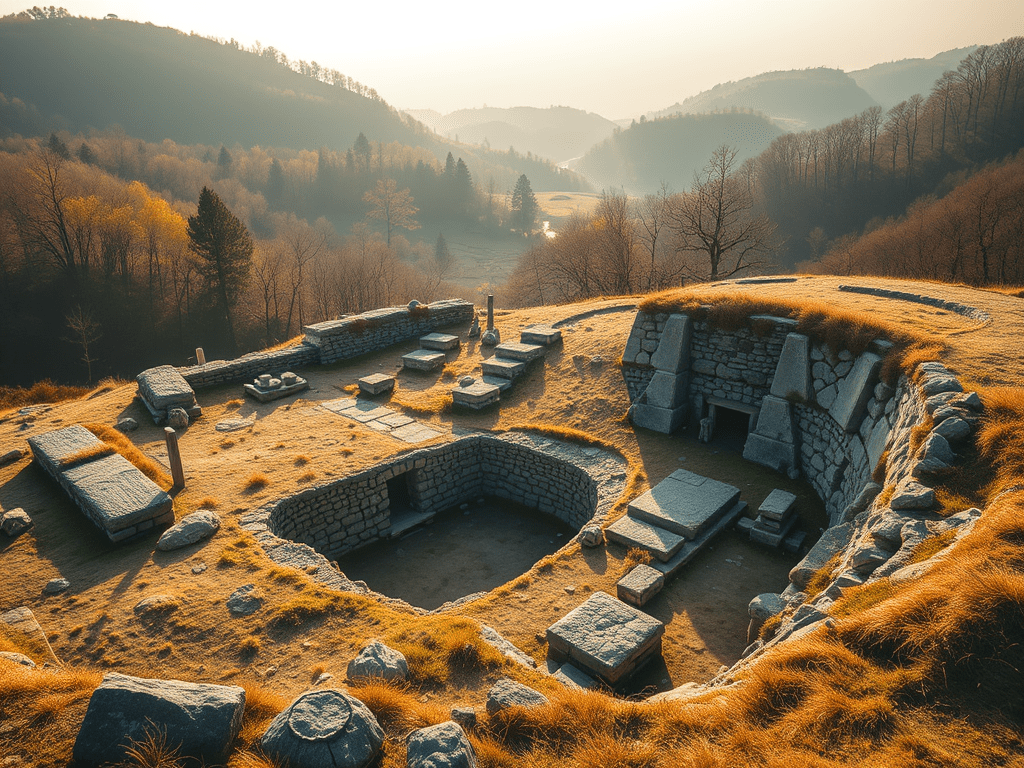
    While no definitive proof of Yamatai’s location has been found, several key sites provide clues:

    • Yoshinogari Site (吉野ヶ里遺跡) – A large Yayoi-era settlement in Kyushu, possibly related to Yamatai.
    • Makimuku Site (纒向遺跡) – Located in Nara, some believe this was the political center of Yamatai.
    • Burial Mounds – Large tombs from the late Yayoi period suggest the presence of a powerful ruling class.

    The Legacy of Yamatai

    Although the true location of Yamatai remains unknown, its influence on Japanese history is undeniable. The kingdom symbolizes the transition from a fragmented society to a more organized political system, ultimately leading to the formation of the Japanese state.

    About the Author


    Japanews

    I am a Japanese resident living in Japan. I share the latest news from Japan and unique aspects of Japanese culture with the world. Additionally, I run an online store for Japanese ceramics, so if you’re interested, please take a look.


  • Himiko: The Mysterious Queen of Ancient Japan

    Himiko: The Mysterious Queen of Ancient Japan

    Himiko: The Mysterious Queen of Ancient Japan

    Who Was Queen Himiko?

    Himiko (卑弥呼) was the legendary queen of Yamatai Kingdom (邪馬台国), ruling during the late 2nd to early 3rd century CE. She is best known from Chinese historical records, particularly the Wei Zhi (魏志), part of the Records of the Three Kingdoms (三国志). However, her true identity and the exact location of Yamatai remain a mystery.

    Himiko in the Wei Zhi

    The Wei Zhi, a Chinese historical text from 3rd century CE, describes Himiko as a shaman queen who ruled Yamatai with spiritual and political authority. She sent envoys to China, receiving recognition from the Wei dynasty, which granted her the title of “Queen of Wa Friendly to Wei” (親魏倭王).

    Himiko’s Rule and Influence

    • Ruled through religious and mystical authority, rather than military power.
    • Governed with the help of female attendants while her younger brother handled political affairs.
    • Maintained diplomatic ties with China, securing trade and political stability.

    Where Was the Yamatai Kingdom?

    The location of Yamatai is one of Japan’s greatest historical debates. Scholars propose two main theories:

    • Kyushu Theory – Suggests Yamatai was located in northern Kyushu, aligning with early Chinese descriptions.
    • Kinki Theory – Places Yamatai in the Nara region, linking it to the rise of the Yamato Kingdom (later Japan’s imperial lineage).

    The Death and Legacy of Himiko

    According to Chinese records, Himiko’s death led to political chaos in Yamatai. A young female successor was later chosen to restore order. Some believe that Himiko’s legend influenced the myth of Amaterasu, the sun goddess in Japanese mythology.

    Himiko in Modern Culture

    Himiko has become a popular figure in Japanese history, literature, and media. She appears in historical dramas, anime, and video games, often depicted as a mystical ruler with supernatural abilities.

    About the Author


    Japanews

    I am a Japanese resident living in Japan. I share the latest news from Japan and unique aspects of Japanese culture with the world. Additionally, I run an online store for Japanese ceramics, so if you’re interested, please take a look.


  • Sannai-Maruyama Site: Japan’s Largest Jomon Settlement

    Sannai-Maruyama Site: Japan’s Largest Jomon Settlement

    Sannai-Maruyama Site: Japan’s Largest Jomon Settlement

    What Is the Sannai-Maruyama Site?

    The Sannai-Maruyama Site (三内丸山遺跡) is the largest known Jomon period (14,000 BCE – 300 BCE) settlement in Japan. Located in Aomori Prefecture, this archaeological site provides invaluable insights into the lives of prehistoric Japanese people.

    The Discovery of Sannai-Maruyama

    The site was discovered in 1992 during construction work. Excavations revealed a well-preserved Jomon village, complete with large pit dwellings, storage pits, and even a massive wooden structure, suggesting a highly organized society.

    Key Features of the Sannai-Maruyama Site

    • Pit Dwellings (竪穴式住居) – Traditional semi-underground homes providing insulation.
    • Raised Floor Buildings (高床式建物) – Used for food storage, protecting supplies from moisture and pests.
    • Massive Wooden Structure – Thought to be a ceremonial or watchtower-like building.

    Artifacts Discovered at Sannai-Maruyama

    Excavations have uncovered thousands of artifacts, including:

    • Jomon Pottery (縄文土器) – Featuring intricate rope patterns.
    • Dogu Figurines (土偶) – Clay figures, possibly used for rituals.
    • Stone Tools – Indicating advanced craftsmanship and daily tool use.
    • Lacquered Items – Proof of early decorative techniques in Japan.

    Why Is the Sannai-Maruyama Site Important?

    This site challenges the idea that Jomon people were simple hunter-gatherers. Instead, it reveals a complex society with permanent settlements, agriculture, and long-distance trade, suggesting that Jomon culture was more advanced than previously believed.

    Visiting the Sannai-Maruyama Site

    Today, the site is an open-air museum, allowing visitors to explore reconstructed Jomon dwellings and view excavated artifacts. It provides a fascinating glimpse into Japan’s prehistoric past.

    About the Author


    Japanews

    I am a Japanese resident living in Japan. I share the latest news from Japan and unique aspects of Japanese culture with the world. Additionally, I run an online store for Japanese ceramics, so if you’re interested, please take a look.


  • Dogu: Mysterious Clay Figurines of Japan’s Jomon Period

    Dogu: Mysterious Clay Figurines of Japan’s Jomon Period

    Dogu: Mysterious Clay Figurines of Japan’s Jomon Period

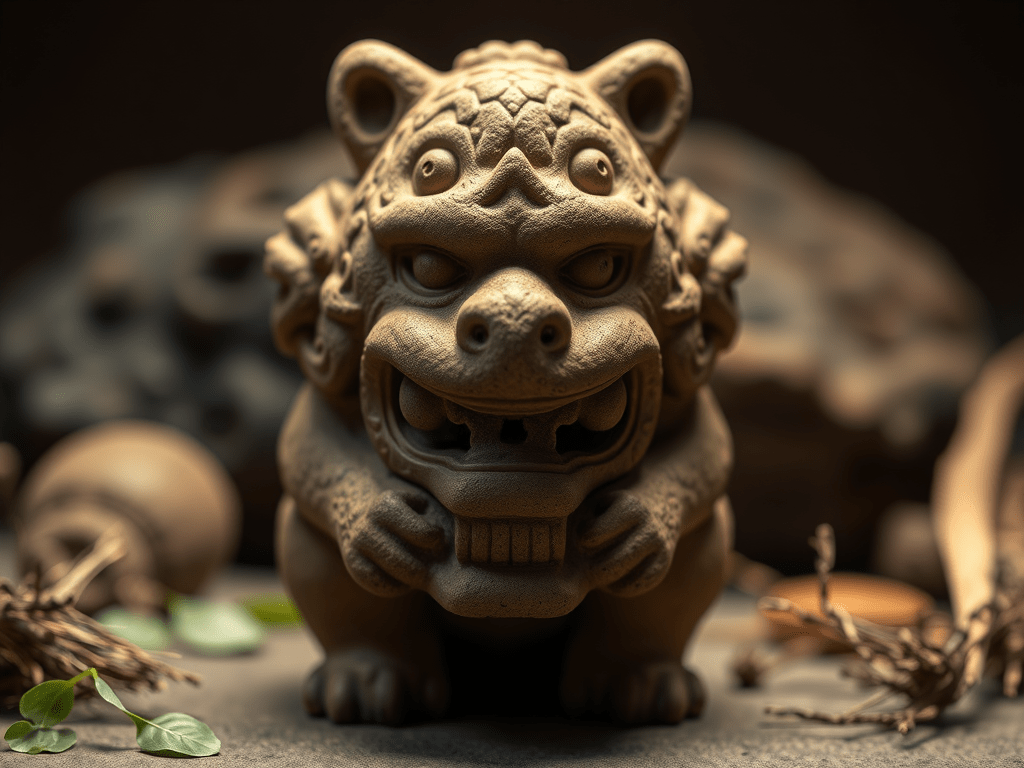
    What Are Dogu?

    Dogu (土偶) are ancient clay figurines created during the Jomon period (14,000 BCE – 300 BCE). These mysterious artifacts are believed to have had religious or ritualistic significance, though their exact purpose remains unknown.

    Characteristics of Dogu

    Dogu figurines exhibit exaggerated human-like features, often with large eyes, small waists, and elaborate decorations. They vary in size, with some being only a few centimeters tall, while others reach up to 30 cm.

    Types of Dogu

    • Shakoki Dogu (遮光器土偶) – “Goggle-eyed” figurines, named for their large, round eyes.
    • Heart-shaped Dogu (ハート形土偶) – Featuring a rounded face resembling a heart.
    • Pregnant Dogu – Representing fertility and childbirth.

    The Purpose of Dogu

    While their exact function is unknown, scholars believe Dogu were used in fertility rituals, healing practices, or shamanistic ceremonies. Many Dogu have been found with broken limbs, leading to theories that they were intentionally broken during rituals.

    Famous Dogu Discoveries

    • Gasso Dogu (合掌土偶) – A figurine with hands pressed together in prayer, found in Aomori Prefecture.
    • Shakoki Dogu (遮光器土偶) – One of the most famous Dogu, discovered in northern Japan.
    • Jomon Venus (縄文のビーナス) – A beautifully crafted Dogu found at the Tanabatake site in Nagano Prefecture.

    Dogu in Modern Japan

    Today, Dogu continue to inspire artists and historians. Replicas are sold as souvenirs, and their unique designs have even influenced modern pop culture.

    About the Author


    Japanews

    I am a Japanese resident living in Japan. I share the latest news from Japan and unique aspects of Japanese culture with the world. Additionally, I run an online store for Japanese ceramics, so if you’re interested, please take a look.


  • Polished Stone Tools: Advancing Technology in Ancient Japan

    Polished Stone Tools: Advancing Technology in Ancient Japan

    Polished Stone Tools: Advancing Technology in Ancient Japan

    What Are Polished Stone Tools?

    Polished stone tools (磨製石器, masei sekki) are tools that have been shaped and smoothed by grinding or polishing. Unlike earlier chipped stone tools, which were made by striking stones to create sharp edges, polished tools were refined to enhance durability and efficiency.

    When Did Polished Stone Tools Appear in Japan?

    Polished stone tools became prominent during the Jomon period (14,000 BCE – 300 BCE), marking a shift towards more sophisticated craftsmanship. These tools were widely used for agriculture, woodworking, and daily tasks.

    Types of Polished Stone Tools

    • Stone Axes (石斧, seki-fu) – Used for cutting trees and shaping wood.
    • Grinding Stones (磨石, suzuri-ishi) – Used to grind grains, nuts, and pigments.
    • Polished Knives (磨製刃物, masei hamono) – Improved versions of chipped stone blades for precise cutting.

    How Were Polished Stone Tools Made?

    The production of polished stone tools involved several steps:

    1. Selecting a high-quality stone, such as basalt or jade.
    2. Rough shaping using percussion techniques.
    3. Grinding and polishing the surface using sand, water, and other abrasives.
    4. Sharpening and final adjustments for specific tasks.

    Significance of Polished Stone Tools

    The development of polished stone tools represented a major technological advancement in ancient Japan. These tools enabled early humans to engage in more efficient farming, construction, and craftwork, paving the way for social and economic growth.

    Famous Polished Stone Tool Sites in Japan

    • Sannai-Maruyama Site (三内丸山遺跡) – A large Jomon settlement where many polished tools have been discovered.
    • Shirataki Obsidian Site (白滝黒曜石遺跡) – Known for high-quality stone tool production.
    • Yoshinogari Site (吉野ヶ里遺跡) – A key Yayoi period site where advanced polished tools were used.

    About the Author


    Japanews

    I am a Japanese resident living in Japan. I share the latest news from Japan and unique aspects of Japanese culture with the world. Additionally, I run an online store for Japanese ceramics, so if you’re interested, please take a look.


  • Jomon Pottery: The Oldest Pottery Tradition in Japan

    Jomon Pottery: The Oldest Pottery Tradition in Japan

    Jomon Pottery: The Oldest Pottery Tradition in Japan

    What Is Jomon Pottery?

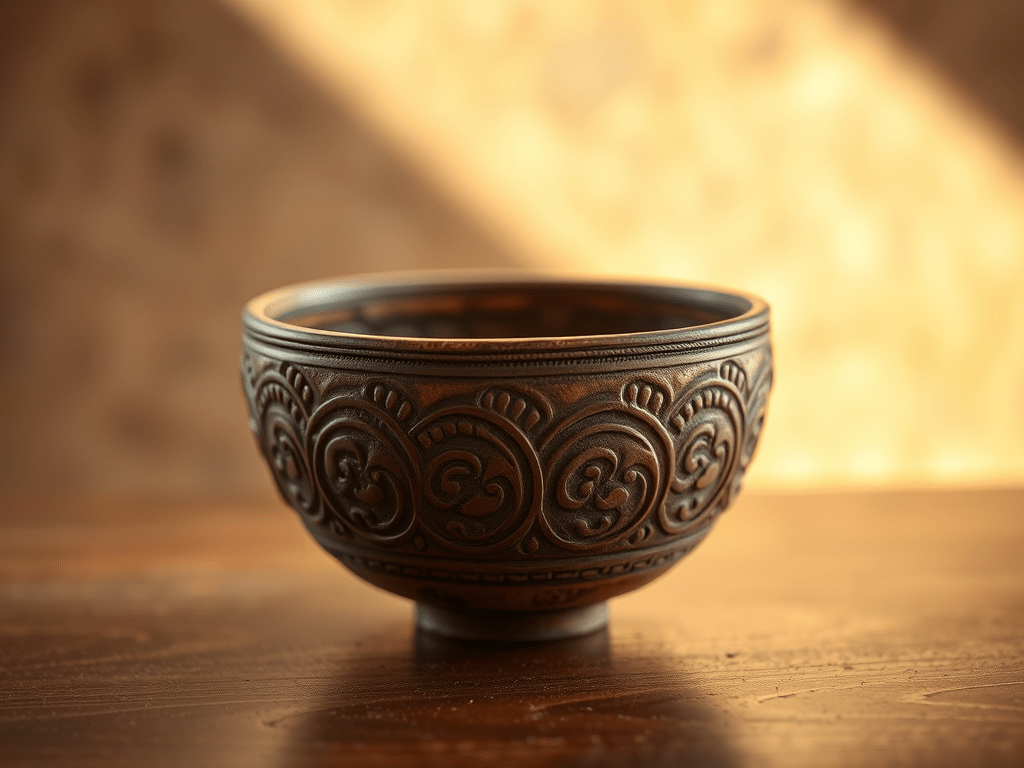
    Jomon pottery (縄文土器) is one of the oldest ceramic traditions in the world, dating back to around 14,000 BCE. These earthenware vessels were made by the prehistoric Jomon people of Japan and are characterized by intricate rope-patterned decorations.

    The Characteristics of Jomon Pottery

    Jomon pottery is famous for its unique textures and artistic designs. The pottery was often decorated by pressing ropes, sticks, or fingernails into the clay before firing. These pieces were primarily used for cooking, storage, and rituals.

    The Different Styles of Jomon Pottery

    • Early Jomon (早期縄文) – Simple, unadorned pottery with basic patterns.
    • Middle Jomon (中期縄文) – Highly decorative pottery with elaborate designs.
    • Late Jomon (後期縄文) – More refined shapes and functional designs.

    Famous Jomon Pottery Discoveries

    • Dogu Figurines (土偶) – Small clay figures thought to have spiritual significance.
    • Flame-Style Pottery (火焔型土器) – A unique type of Jomon pottery with flame-like patterns, discovered in Niigata Prefecture.
    • Sannai-Maruyama Site (三内丸山遺跡) – One of the largest Jomon-era settlements, where many pottery pieces have been excavated.

    The Legacy of Jomon Pottery

    Jomon pottery is recognized as a UNESCO Intangible Cultural Heritage and continues to inspire modern Japanese ceramic artists. Its intricate designs and historical significance make it an essential part of Japan’s ancient heritage.

    About the Author


    Japanews

    I am a Japanese resident living in Japan. I share the latest news from Japan and unique aspects of Japanese culture with the world. Additionally, I run an online store for Japanese ceramics, so if you’re interested, please take a look.


  • Shell Middens: Tracing the Lives of Ancient Japanese People

    Shell Middens: Tracing the Lives of Ancient Japanese People

    Shell Middens: Tracing the Lives of Ancient Japanese People

    What Are Shell Middens?

    Shell middens, known as kaizuka (貝塚) in Japanese, are ancient refuse heaps consisting mainly of discarded shells, animal bones, and other remnants of daily life. They serve as crucial archaeological sites that provide insights into the diet and culture of prehistoric Japanese people.

    The Importance of Shell Middens in Japan

    Many shell middens date back to the Jomon period (14,000 BCE – 300 BCE), a time when early Japanese people relied heavily on marine resources. These sites offer evidence of how ancient communities utilized coastal and riverine environments.

    What Can Be Found in a Shell Midden?

    • Shells – Primarily from clams, oysters, and other marine mollusks.
    • Fish and animal bones – Indicating the types of food consumed.
    • Pottery shards – Providing information on cooking and storage techniques.
    • Stone tools – Used for hunting, fishing, and food preparation.

    Famous Shell Midden Sites in Japan

    • Omori Shell Midden (大森貝塚) – Located in Tokyo, this site was discovered by American zoologist Edward S. Morse in 1877 and is one of the most well-known shell middens in Japan.
    • Katsusaka Shell Midden (勝坂貝塚) – A large Jomon-period site in Kanagawa Prefecture.
    • Satohama Shell Midden (里浜貝塚) – Located in Miyagi Prefecture, this site provides evidence of extensive marine resource utilization.

    What Do Shell Middens Tell Us About Ancient Life?

    Shell middens reveal valuable information about the dietary habits, trade networks, and environmental conditions of ancient Japan. They show how prehistoric people adapted to their surroundings and developed sustainable ways of living.

    About the Author


    Japanews

    I am a Japanese resident living in Japan. I share the latest news from Japan and unique aspects of Japanese culture with the world. Additionally, I run an online store for Japanese ceramics, so if you’re interested, please take a look.


  • Pit Dwellings: The Traditional Homes of Ancient Japan

    Pit Dwellings: The Traditional Homes of Ancient Japan

    Pit Dwellings: The Traditional Homes of Ancient Japan

    What Are Pit Dwellings?

    Pit dwellings, known as tateana-jūkyo (竪穴式住居) in Japanese, were traditional houses used from the Jomon period (14,000 BCE – 300 BCE) to the Kofun period (250 CE – 538 CE). These semi-subterranean structures provided shelter and insulation for ancient Japanese communities.

    How Were Pit Dwellings Constructed?

    Pit dwellings were built by digging a shallow hole into the ground, typically 2 to 5 meters in diameter. Wooden posts were used to support a roof made of straw, reeds, or bark. The entrance was often a small opening to retain heat inside.

    The Function of Pit Dwellings

    These homes provided protection from cold weather and strong winds. The underground design helped maintain a stable indoor temperature. A central fire pit was commonly used for cooking and heating.

    Archaeological Sites Featuring Pit Dwellings

    • Sannai-Maruyama Site (三内丸山遺跡) – A Jomon-era settlement in Aomori Prefecture.
    • Yoshinogari Site (吉野ヶ里遺跡) – A large Yayoi period village in Saga Prefecture.
    • Toro Site (登呂遺跡) – A Yayoi settlement in Shizuoka Prefecture, featuring reconstructed pit dwellings.

    Are Pit Dwellings Still Used Today?

    While traditional pit dwellings are no longer in regular use, modern versions inspired by their design can be found in historical parks and museums across Japan. They offer a glimpse into the daily life of ancient Japanese people.

    About the Author


    Japanews

    I am a Japanese resident living in Japan. I share the latest news from Japan and unique aspects of Japanese culture with the world. Additionally, I run an online store for Japanese ceramics, so if you’re interested, please take a look.


  • Iwajuku Site: Unveiling Japan’s Paleolithic Past

    Iwajuku Site: Unveiling Japan’s Paleolithic Past

    Iwajuku Site: Unveiling Japan’s Paleolithic Past

    What Is the Iwajuku Site?

    The Iwajuku Site (岩宿遺跡) is one of the most important archaeological discoveries in Japan. Located in Gunma Prefecture, it was the first site to provide clear evidence of a Paleolithic culture in Japan, changing the understanding of the nation’s ancient history.

    The Discovery of the Iwajuku Site

    In 1946, a Japanese archaeologist named Seiji Sugihara (杉原荘介) discovered stone tools buried in volcanic ash at the Iwajuku Site. Until then, it was believed that Japan had no Paleolithic period, making this find a groundbreaking revelation.

    Significance of the Iwajuku Site

    The discovery of chipped stone tools at the site confirmed that humans lived in Japan as early as 35,000 BCE. This site became the foundation for future Paleolithic research in Japan, leading to the discovery of many other prehistoric sites across the country.

    What Was Found at the Iwajuku Site?

    • Chipped stone tools – Used for cutting, hunting, and processing materials.
    • Volcanic ash layers – Helped archaeologists date the artifacts.
    • Multiple excavation layers – Indicating long-term human activity.

    Visit the Iwajuku Site

    Today, the Iwajuku Site is preserved as an educational and historical site. The Iwajuku Museum showcases the discoveries made there, allowing visitors to learn more about Japan’s Paleolithic past.

    About the Author


    Japanews

    I am a Japanese resident living in Japan. I share the latest news from Japan and unique aspects of Japanese culture with the world. Additionally, I run an online store for Japanese ceramics, so if you’re interested, please take a look.


  • Chipped Stone Tools: The First Tools of Humanity in Japanese History

    Chipped Stone Tools: The First Tools of Humanity in Japanese History

    Chipped Stone Tools: The Foundation of Early Japanese Civilization

    What Are Chipped Stone Tools?

    Chipped stone tools are primitive implements crafted by striking stones together to create sharp edges. These tools, dating back to the Paleolithic period, were essential for early human survival, aiding in hunting, cutting, and shaping materials.

    The Significance of Chipped Stone Tools in Japan

    In Japan, chipped stone tools have been discovered in various archaeological sites, indicating human activity as early as 35,000 BCE. These findings provide insight into the skills and adaptation of Japan’s earliest inhabitants.

    How Were Chipped Stone Tools Made?

    The process of creating chipped stone tools, known as knapping, involved striking a stone with another to produce sharp edges. This method was refined over time, allowing early humans to develop specialized tools for different tasks.

    Notable Chipped Stone Tool Sites in Japan

    • Iwajuku Site (岩宿遺跡): One of the most significant discoveries in Japan, confirming the existence of a Paleolithic culture.
    • Shirataki Site (白滝遺跡): Located in Hokkaido, this site is famous for its large collection of obsidian tools.

    Why Are Chipped Stone Tools Important?

    These tools mark the beginning of human innovation in Japan. They provide valuable information about early human technology, adaptation, and daily life, helping archaeologists understand the evolution of prehistoric societies.

    About the Author


    Japanews

    I am a Japanese resident living in Japan. I share the latest news from Japan and unique aspects of Japanese culture with the world. Additionally, I run an online store for Japanese ceramics, so if you’re interested, please take a look.